Sandy soils represent a specific agrotechnical object that requires a special approach to the management of soil fertility and plant protection. Due to the low content of humus and high water permeability, such areas are prone to rapid leaching of nutrients, which forces agronomists and gardeners to pay increased attention to the system of mineral and organic fertilizer application. Working on light soils is complicated not only by the need for nutritional adjustments, but also by the control of characteristic weeds, such as Russian thistle, which can significantly reduce the productivity of grain and row crops.
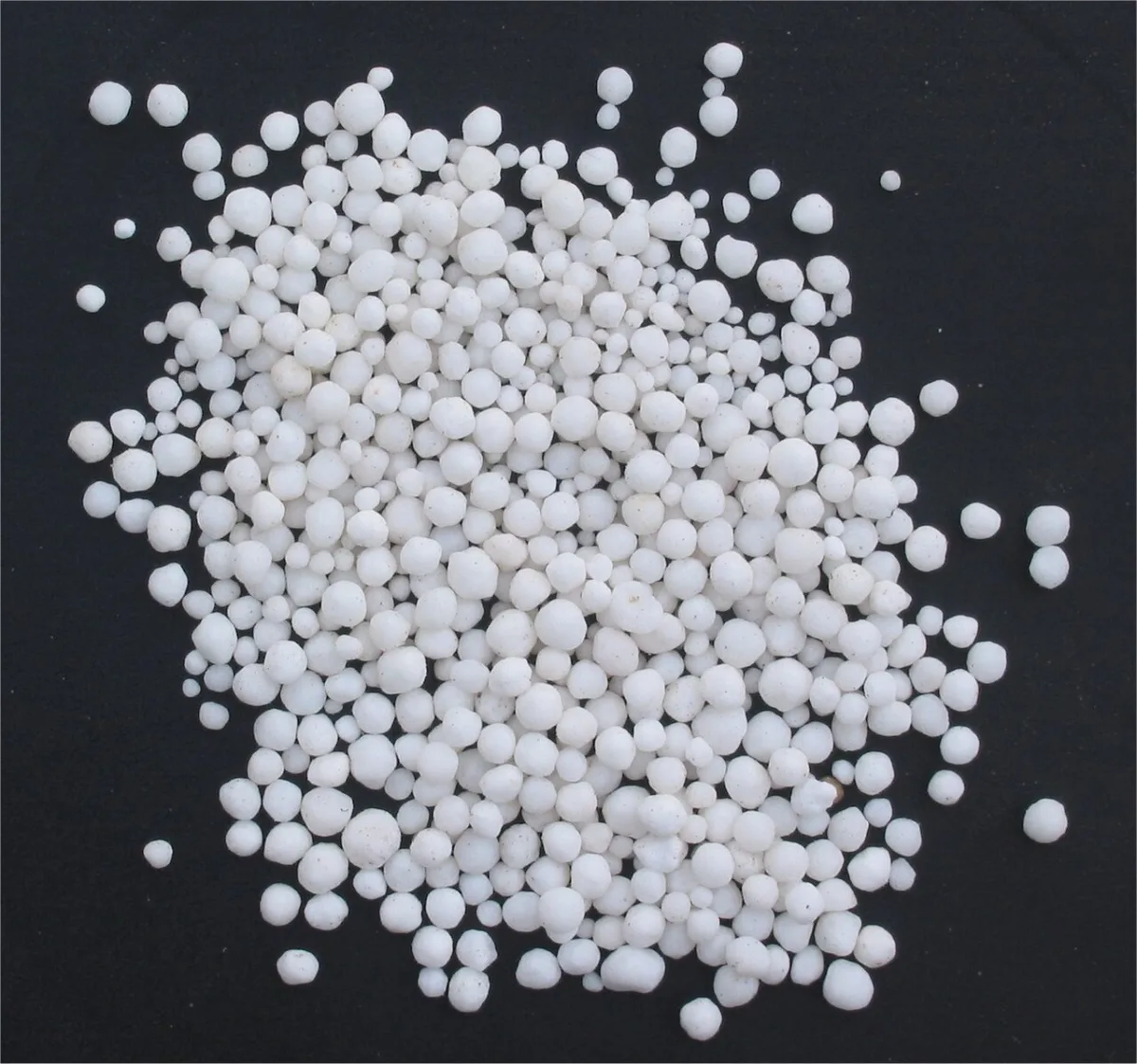
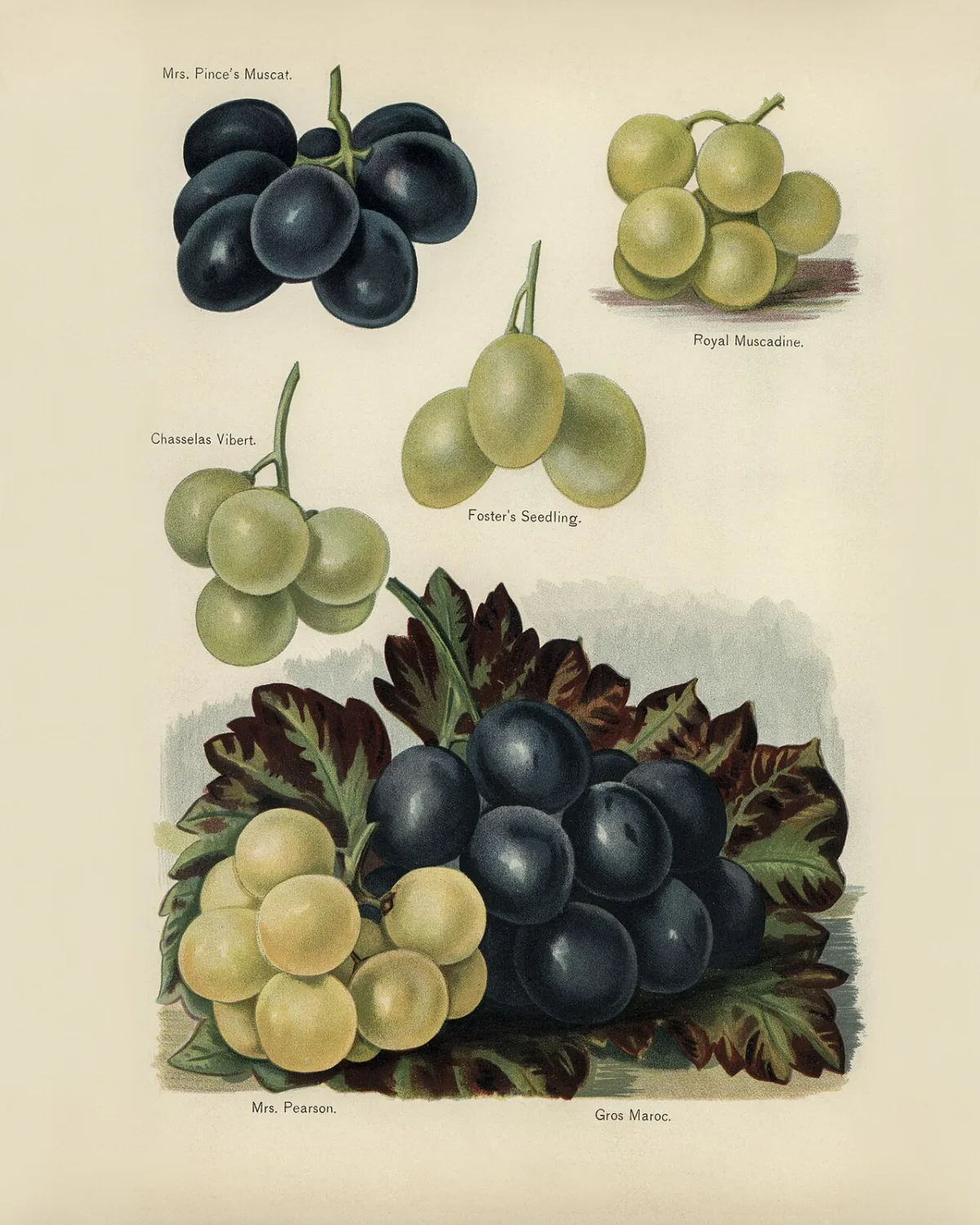
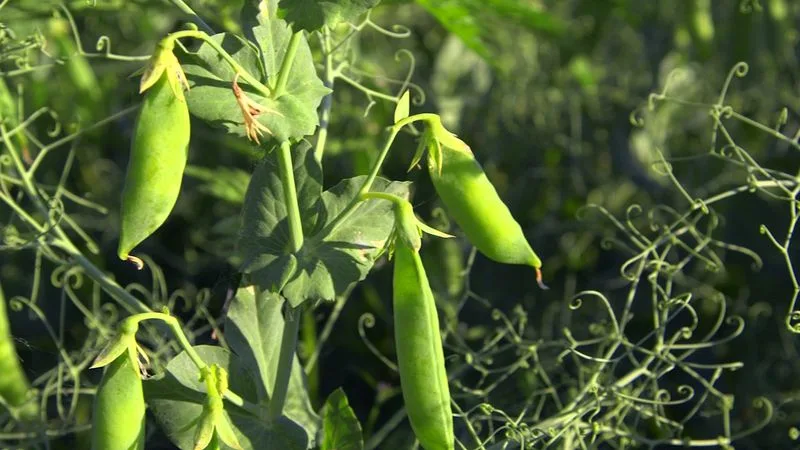
This selection contains materials that will help organize knowledge about effective farming on sandy soils. The articles discuss in detail the issues of plant condition diagnostics, the specifics of applying simple and complex magnesium fertilizers, as well as the use of non-traditional resources, such as poultry manure and lake sediments (sapropel). The reader will find recommendations on selecting rootstocks for fruit crops, rules for the agrotechnics of legumes, and methods for weed control. These materials will serve as a basis for developing a strategy for nutrition and increasing yield on plots with a light soil mechanical composition.