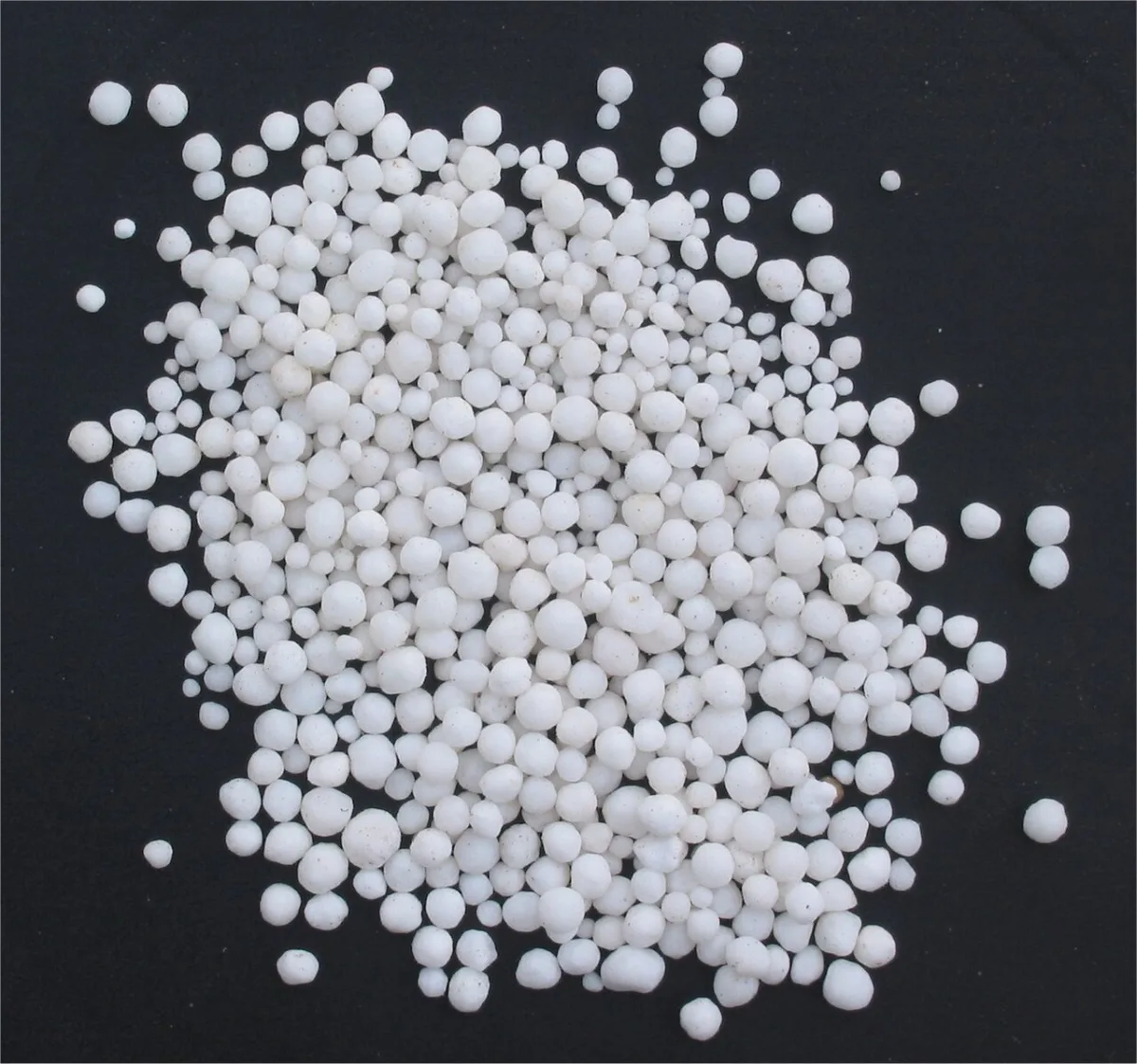
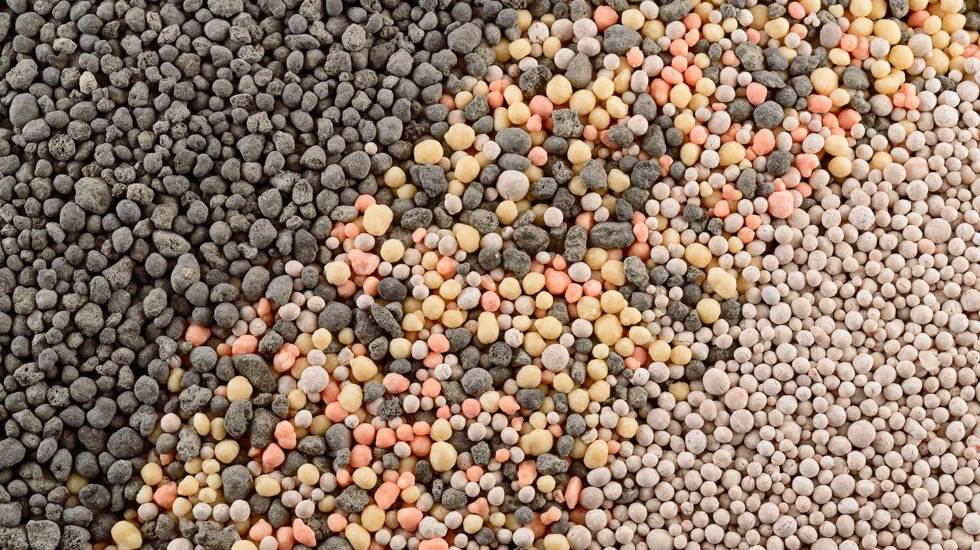
Magnesium is an essential secondary nutrient that plays a key role in photosynthesis and metabolic processes in crops. With the increasing intensity of farming, the issue of magnesium deficiency in soil is becoming more pressing. This is due both to the specifics of agrotechnical cycles and the element's susceptibility to leaching, which requires agronomists and gardeners to have a deep understanding of plant nutrition mechanisms and the timely replenishment of this element's deficit in the soil absorption complex.
In this selection, we have gathered expert materials that will help systematize knowledge on managing magnesium nutrition. Readers will find a detailed overview of simple mineral fertilizers, such as epsomite, magnesium sulfate, and kieserite, with descriptions of their application rules. Special attention is paid to complex magnesium compositions: the articles provide a detailed analysis of their chemical characteristics, nutrient content, and specific application in field and garden conditions. These materials will allow professionals and enthusiasts to make informed choices regarding fertilizer selection, based on an analysis of the causes of magnesium deficiency and current application rates.