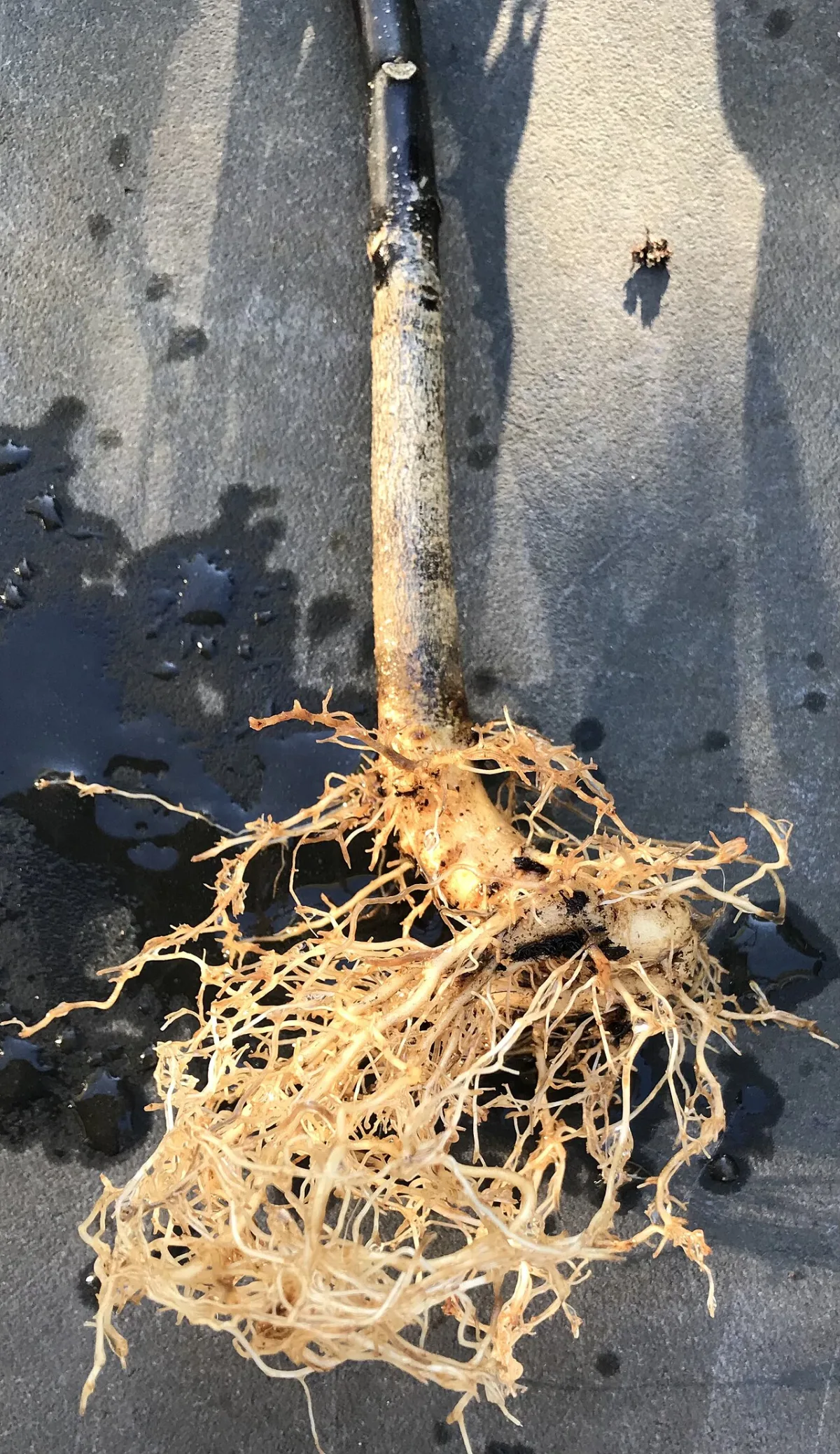
The root system is the foundation of any plant's life activity. It not only ensures reliable fixation in the soil and storage of energy reserves, but also serves as a key organ responsible for the absorption of water and mineral substances. Understanding the mechanisms of diffusion, ion adsorption, and root growth physiology is a prerequisite for effective yield management. The health of vegetable, fruit, berry, and flower crops, their resistance to pathogens, as well as their ability to fully assimilate nutrients from the soil solution or substrate, depend directly on the condition of the root system.
This collection combines theoretical knowledge and practical recommendations necessary for working with plants at all stages of their development. The reader will find materials covering a wide range of topics: from the fundamental principles of agrochemistry and the nutrition processes of field and vegetable crops to highly specialized issues of rootstock selection in horticulture. We have also included articles dedicated to the protection of the root zone from diseases and methods for improving the agrophysical properties of the soil. This knowledge will allow agronomists and gardeners to build a competent care system aimed at maintaining a balance between plant productivity and the quality of the resulting produce.