
Diagnostics of plant chlorosis based on the localization of nutrient deficiencies
4 min read
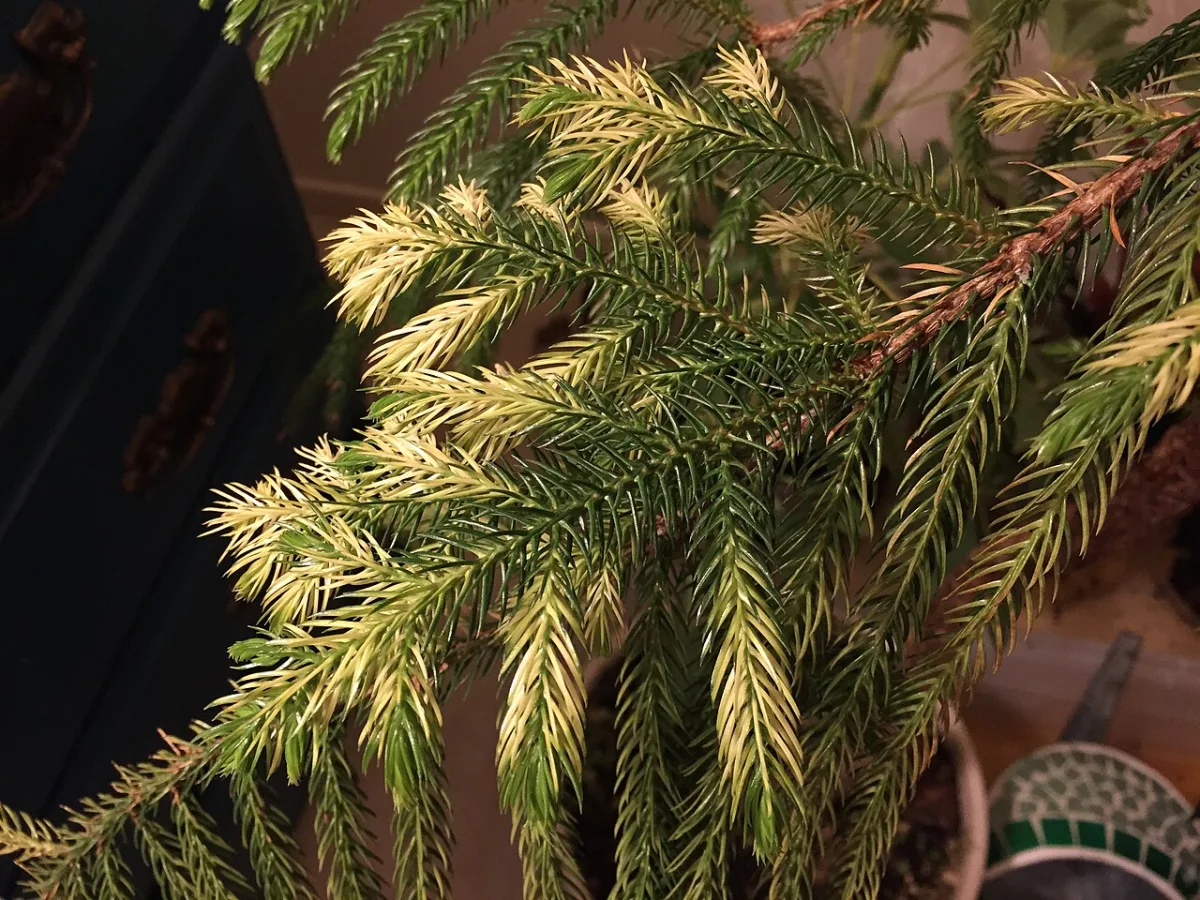
Localization of symptoms: deficiency of mobile and immobile elements
Chlorosis is a condition in which the synthesis or preservation of chlorophyll in tissues is disrupted. In a healthy plant, the green pigment is renewed continuously, but in the absence of building elements or enzymes, this process stops. To quickly make a diagnosis in the field or greenhouse, the localization of the damage is assessed by tiers. The plant redistributes resources in favor of young growth points, so it is the mobility of the element within the organism that determines where yellowing will manifest.
If a crop lacks an element capable of moving through the vascular system (a mobile element), it withdraws it from the lower organs. Older leaves "give up" their accumulated supply to maintain the vital functions of terminal buds and young shoots. This group includes nitrogen, phosphorus, potassium, and magnesium. Nutrient deficiency manifests on the lower tier according to the following scenarios:
- Nitrogen (general chlorosis): the leaf blades of the lower tier turn yellow uniformly over the entire surface. The process gradually spreads from the bottom up along the stem. With prolonged starvation, yellowing covers the entire plant stand; plants slow down growth and look oppressed.
- Magnesium (interveinal chlorosis): the space between veins on old leaves turns yellow or acquires a reddish tint. At the same time, the veins themselves remain bright green. The symptom affects strictly the lower part of the plant due to the outflow of magnesium to young growth.
Immobile elements — iron, sulfur, calcium, manganese, and boron — are practically incapable of being reutilized and moving from old tissues. As soon as their supply from the soil stops, the developing tops instantly find themselves in conditions of deficiency. Old leaves, meanwhile, remain completely green. Damage is always localized on the upper tier and young leaf blades:
- Iron: pronounced interveinal chlorosis on young leaves. The upper leaf blades turn yellow, but the veins retain a saturated green color. Unlike magnesium deficiency, the damage is observed exclusively in the upper part of the plant.
- Sulfur: general yellowing of the top, externally similar to nitrogen starvation. Young leaves are primarily affected, becoming pale green or yellowish, while the veins often look lighter than the surrounding tissues.
- Manganese and microelements: spotted forms of chlorosis on young leaves. In addition to yellowing, dying (necrotic) spots may form on tissues, caused by a local metabolic failure.
True and false chlorosis: assessment of soil environmental conditions
Visual symptoms of element deficiency are not always associated with their absence in the soil. In practice, so-called false chlorosis is often encountered, when an element is present in the substrate in sufficient volume, but physical and chemical conditions block its uptake by roots. In such a situation, standard fertilizer application does not yield results until the cause of nutrient unavailability is eliminated.
The main chemical factor for blocking microelements is the acidity level (pH) of the soil solution. On highly alkaline or excessively limed soils, iron, manganese, and other elements form insoluble compounds. The plant demonstrates a classic picture of chlorosis against the background of high element content in the soil profile.
The second common cause of nutritional disruption is poor aeration and waterlogging. During flooding or severe soil compaction, roots experience an oxygen deficiency, which leads to a halt in their absorption function. Externally, signs of starvation completely coincide with physical deficiency of elements, but the problem lies in the physiological suppression of the root system.
True deficiency is eliminated by applying the missing elements, whereas false chlorosis requires adjusting the environment: optimizing pH, relieving compaction, and draining excess moisture. Make any decisions regarding top dressing application based on an agrochemical analysis of the soil and approved regulations for the specific crop.
Read next
Plant protection For agronomists
Diagnosis of nutrient deficiency and toxicity in tomatoes
Plant protection For agronomists
Diagnostics and causes of local lesion spots in greenhouse plants
Plant protection For agronomists