
Diagnostics and causes of local lesion spots in greenhouse plants
6 min read
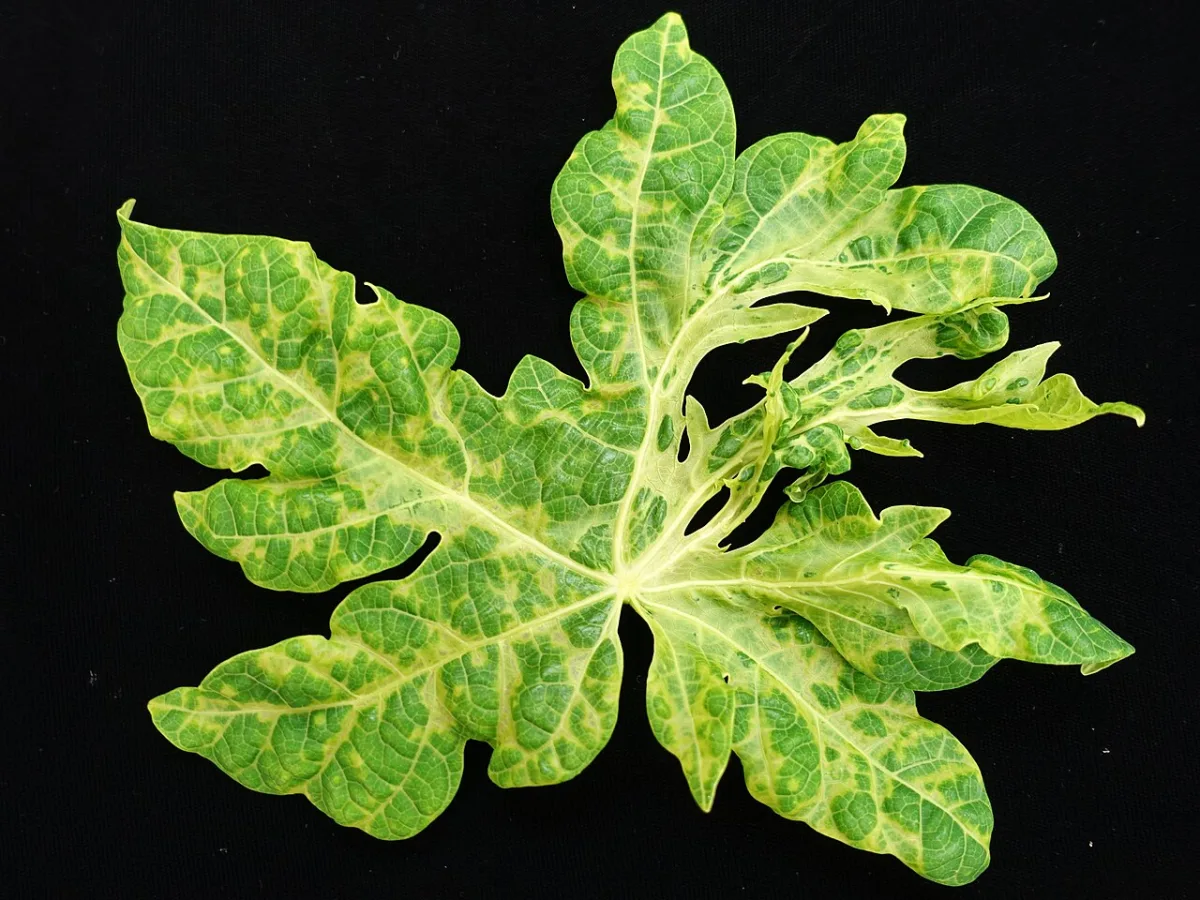
Localized outbreaks of diseases in a greenhouse often point to specific structural defects or maintenance errors. If damaged plants are concentrated under gutters or vents, the cause should be sought in excessive dampness, dripping water with toxic metals, or pathogens carried in from outside. Under leaking gutters, the soil becomes waterlogged, which reduces the effectiveness of soil disinfection and hinders the plants' ability to absorb nutrients.
Condensate and rainwater running down metal structures cause chemical leaf burns due to the high concentration of metal ions. Lettuce is particularly sensitive to such droplets. Under the vents, plants suffer not only from lubricating oil drops but also from pesticides carried by the wind from neighboring fields.
In May and June, when greenhouse vents are left open due to heat, the risk of crop damage from herbicides applied to neighboring cereal fields increases sharply. Aphids, which are vectors of dangerous viral diseases, also enter through open ventilation.
Entering raindrops create conditions for the development of fungal infections, such as carnation rust. This disease often starts right under leaking vents in old greenhouses. Proper ventilation and structural tightness are key factors in protecting against such localized outbreaks.
- Cereal herbicide spraying — May — June
- Tomato infection from a single knife cut — up to 30 plants
- Primary vectors of viral diseases — aphids
How diseases spread during maintenance and how to identify them
If the infection follows the rows strictly, manual maintenance is to blame. During the pruning of tomatoes, the pathogen of didymella stem rot is transmitted by hands and tools. The worker moves in one direction, and the disease spreads in the same way, even though the adjacent row may remain completely healthy. The viral tomato mosaic is transmitted in the exact same way.
With a knife that has cut just one plant infected with didymella, one can infect another 30 healthy tomato plants in a row.
The nature and location of symptoms help determine the nature of the infection — viral, fungal, or bacterial. This also makes it possible to distinguish the infection from chemical burns or nutrient deficiencies. The localization of symptoms on the plant plays a key role in diagnosis.
The localization of symptoms is evaluated according to the following criteria:
- which leaves show lesions — all of them, only the youngest, or only the oldest;
- whether the symptoms appear on a specific side of the plant;
- whether they develop on one or both surfaces of the leaf;
- whether they are located along the edges or across the entire leaf blade;
- whether they follow the veins clearly or independently of the venation.
Such differences in the location of spots and necroses are clearly visible in the case of nutrient excesses or deficiencies in tomatoes. Analyzing the foliage allows an agronomist to quickly identify the cause of the problem. Symptoms on stems and roots are much less informative in this regard.
Read next

Plant protection For gardeners
Diagnostics of plant chlorosis based on the localization of nutrient deficiencies
Plant protection For agronomists
Diagnosis and prevention of rare viral diseases in greenhouse lettuce
Plant protection For agronomists