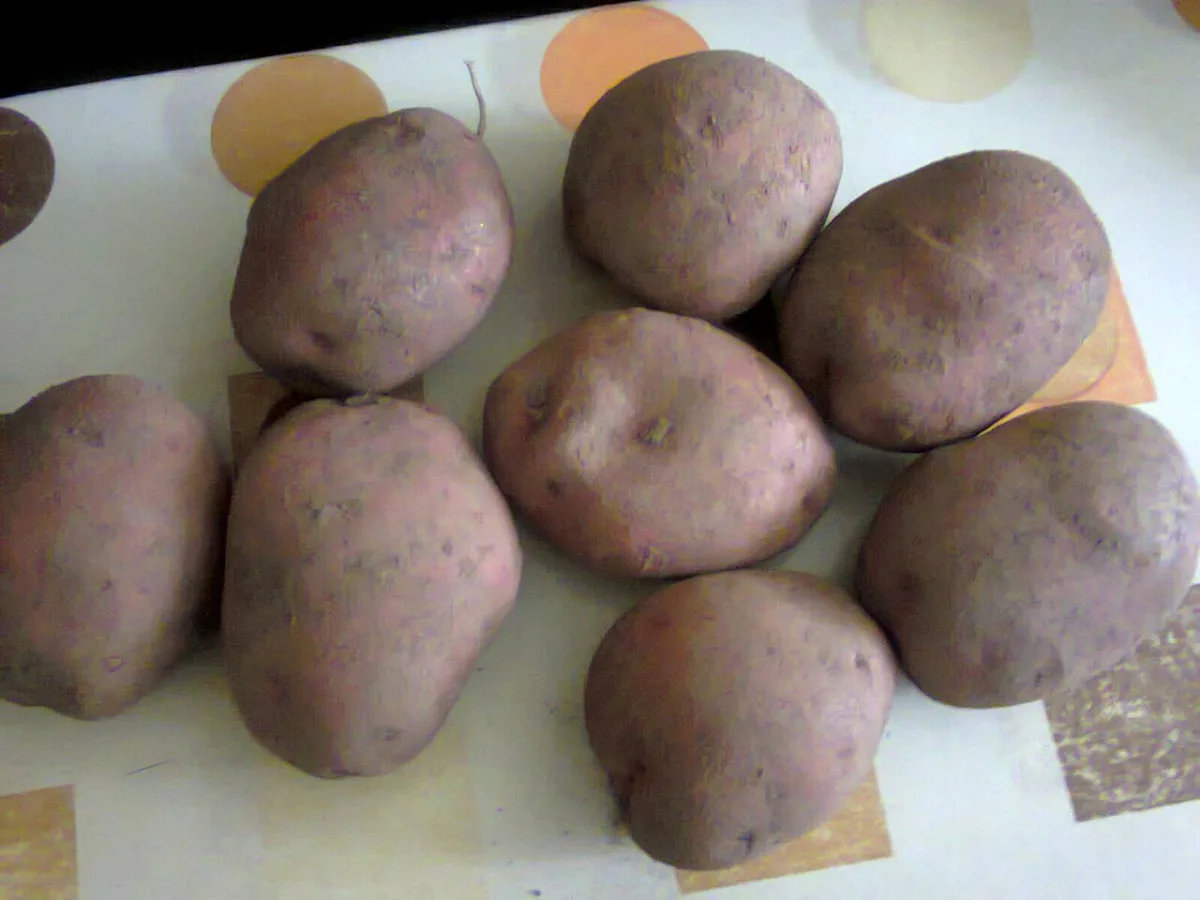
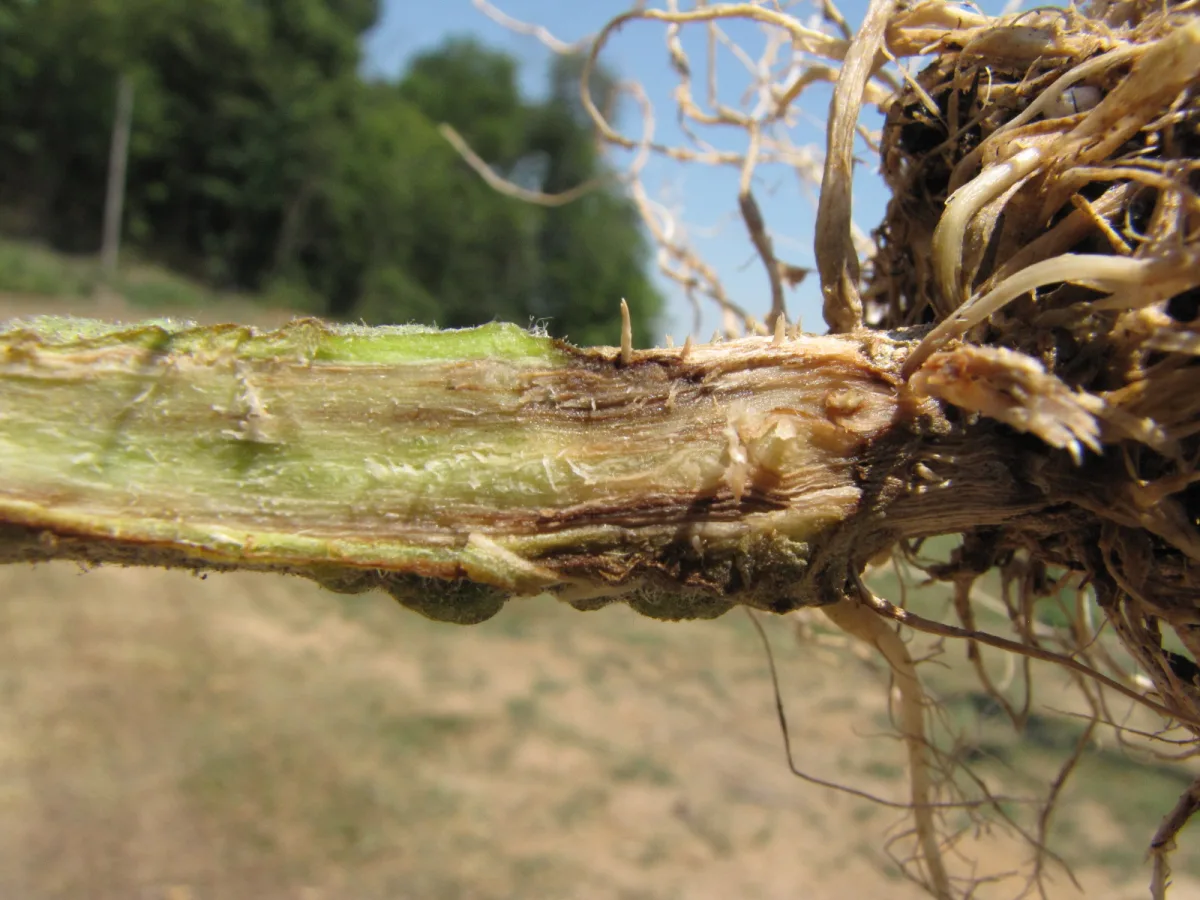
Rhizoctonia, known as black scurf, is one of the most dangerous fungal diseases affecting a wide range of crops and ornamental plants. The pathogen can cause basal and root rots, which significantly reduce seed emergence, stunt the growth of seedlings, and negatively affect the marketability and storage quality of produce, including potato tubers. Understanding the infection mechanisms and timely diagnosis of symptoms at different stages of the growing season — from propagation to storage — are critically important for preventing mass harvest losses.
This collection gathers materials to help agronomists and land owners build a comprehensive plant protection system. The reader will find recommendations on prevention and control methods for fungal diseases in greenhouse conditions and open soil, as well as overviews of application regulations for modern fungicides. In addition, the articles cover issues of increasing crop resistance through balanced nutrition with micronutrient fertilizers, the use of growth stimulants, and the implementation of biological protection methods based on the principles of natural pathogen antagonism.