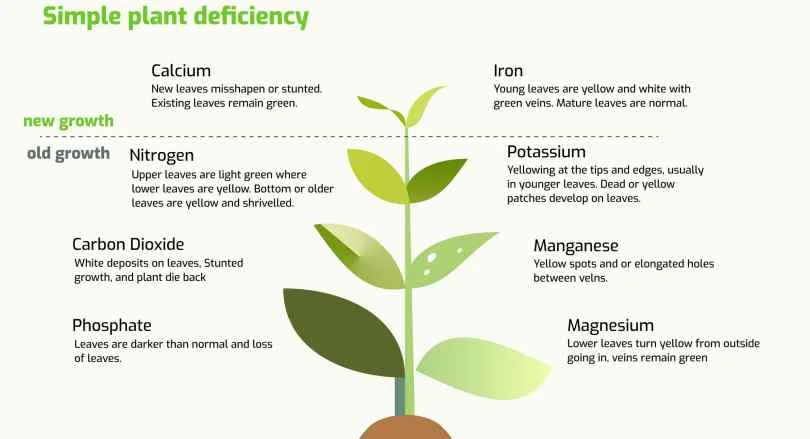
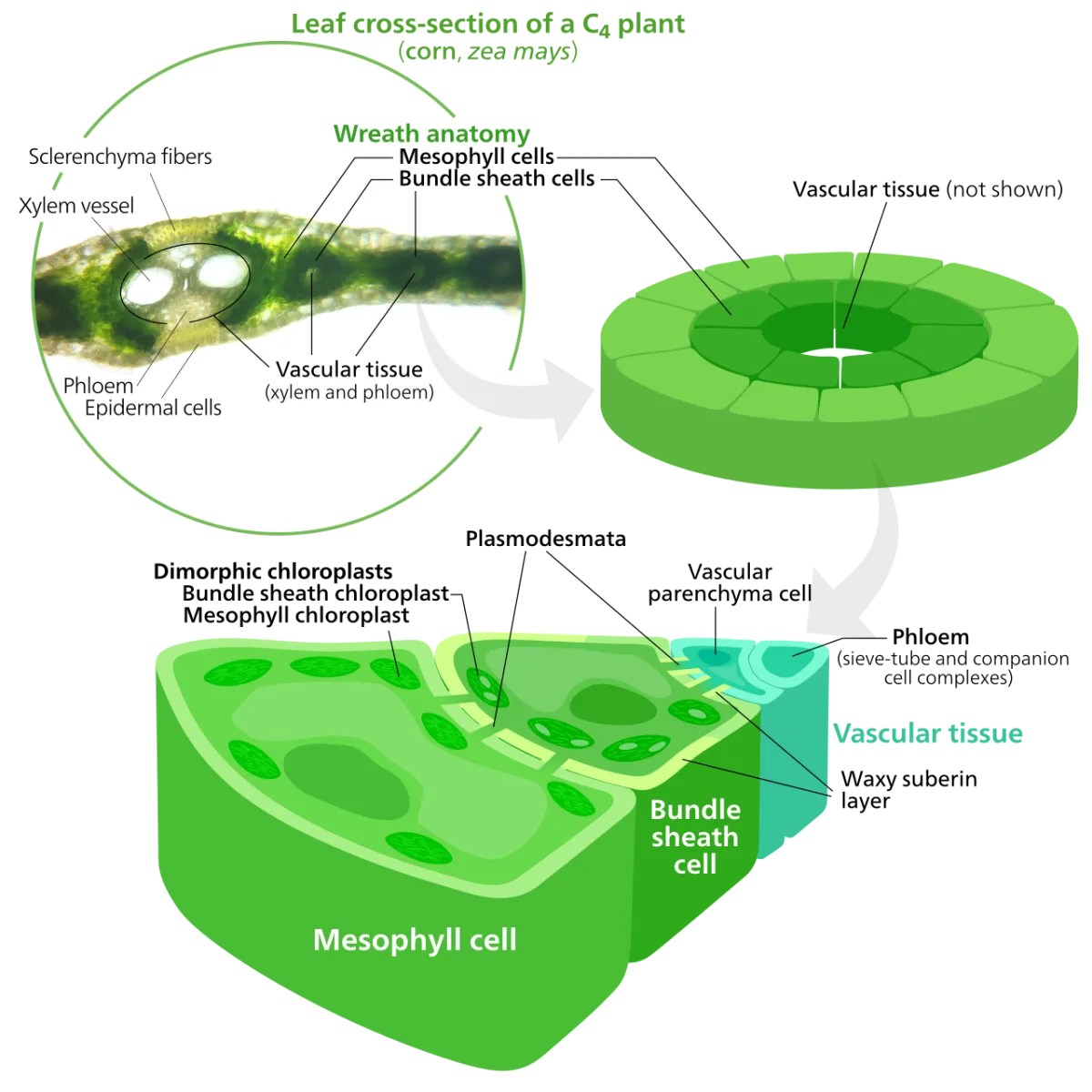
Plant respiration is a vital metabolic process that underlies the growth, development, and productivity of agricultural crops. The efficiency of utilizing energy accumulated during photosynthesis directly depends on the respiration rate, which is regulated by both internal physiological factors and external conditions, such as temperature, humidity, and the gas composition of the environment. Understanding the mechanisms of respiration allows agronomists to consciously manage plant growth, optimize nutrition, and minimize losses of valuable sugars when exposed to stress factors, including mechanical damage or chemical treatments.
In this selection, we consider respiration not only as a biological function of plants during the growing season but also as a key aspect of post-harvest logistics. You will learn how managing the respiration of grain masses and fruits helps maintain product quality during storage, and how the intensity of this process correlates with yield. The materials presented will help systematize knowledge about the influence of the environment, mineral nutrition, and physiological reserves of plants on their vital activity, which is a necessary condition for achieving high economic efficiency in crop production.