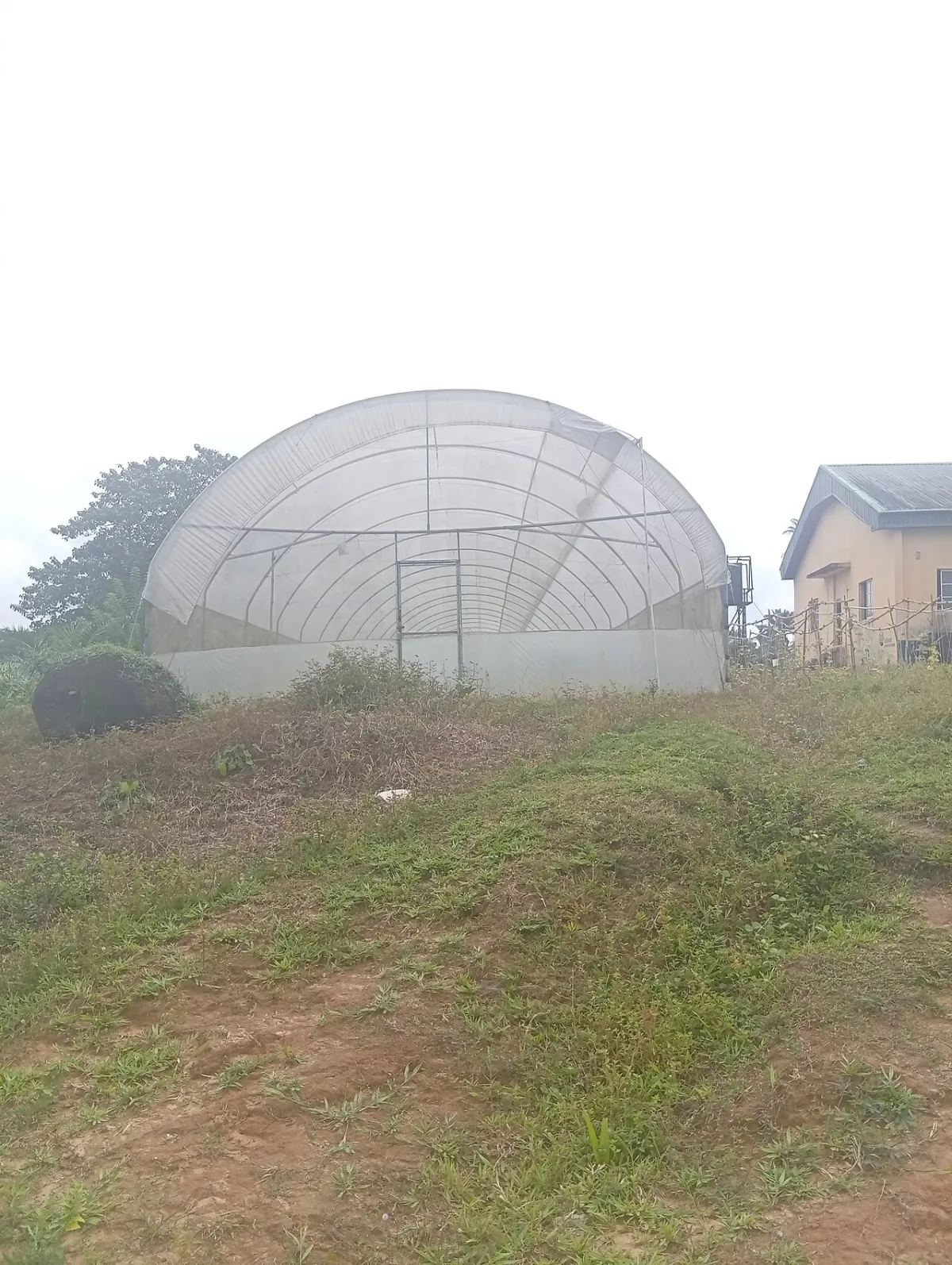
Greenhouse crop production is a high-tech branch of plant cultivation that requires an agronomist to strictly control microclimate conditions, plant nutrition, and the phytosanitary state of the environment. In protected ground conditions, artificial isolation from the external environment is often combined with high planting density, which creates specific risks for the development of diseases, pests, and viral infections. Understanding pathogen biology, their spread mechanisms, and the characteristics of epiphytotic development is a necessary condition for maintaining productivity and ensuring stable yield at every stage of the growing season.
This collection brings together expert materials on key aspects of working in greenhouses and hotbeds. The reader will find practical recommendations here on organizing irrigation, plant training, and choosing nutrition strategies for various substrates, including hydroponic systems. Particular attention is paid to protective measures: from biological control methods and stem disease diagnostics to modern approaches for managing pathogen resistance to fungicides. These articles will help systematize knowledge about protecting greenhouse crops and build an effective plant care scheme that minimizes losses from infections and agronomic errors.