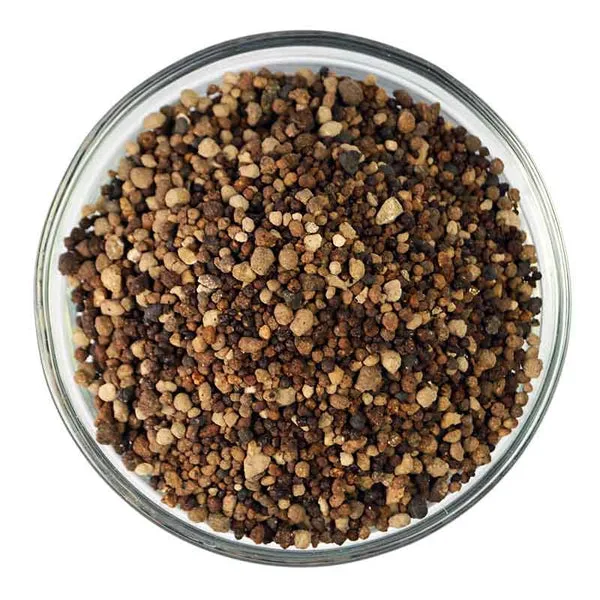
Understanding the chemical composition of crops and soil resources is the foundation of modern agronomy. Knowing which biologically active substances, minerals, and carbohydrate complexes are contained in fruits, vegetables, and forage crops allows not only for predicting yield but also for purposefully managing product quality. This collection examines both the physicochemical properties of fertilizers, including vermicompost and liquid manure, and the mechanisms of mineral nutrition's impact on plant development. This knowledge is essential for the competent construction of agrotechnologies that ensure balanced crop development and the ecological safety of production.
The materials in this section cover a wide range of topics: from the basics of mineral nutrition and humus formation processes to methods of diagnosing plant nutrient requirements. Readers will find detailed analyses of the biochemical composition of potatoes, apple and pome fruits, as well as theoretical foundations established by the works of classical domestic agrochemists. The articles explain the relationship between soil composition, fertilizer application regimes, and final crop quality indicators. The collection is intended for specialists and practitioners who strive to systematize their knowledge of chemical processes in agricultural systems and increase the efficiency of their agrotechnical solutions.