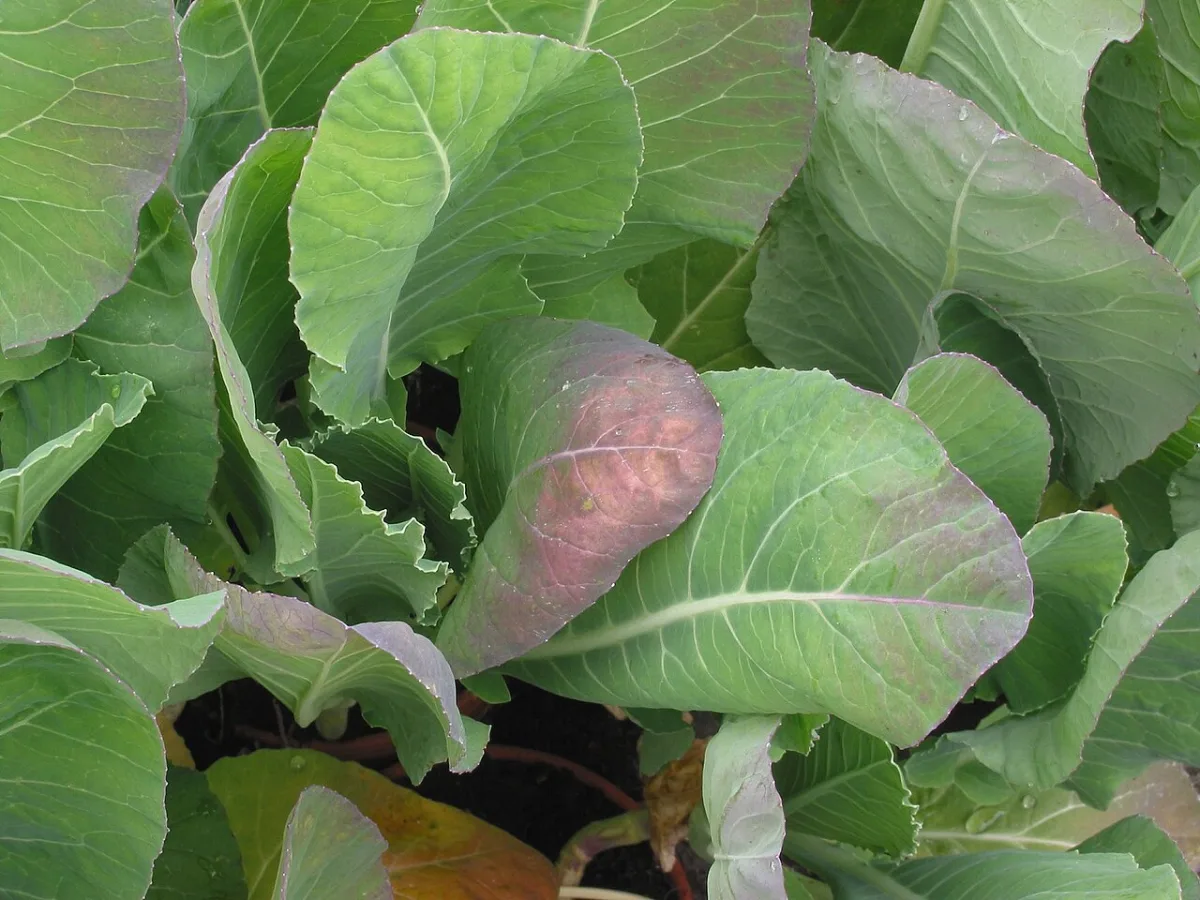
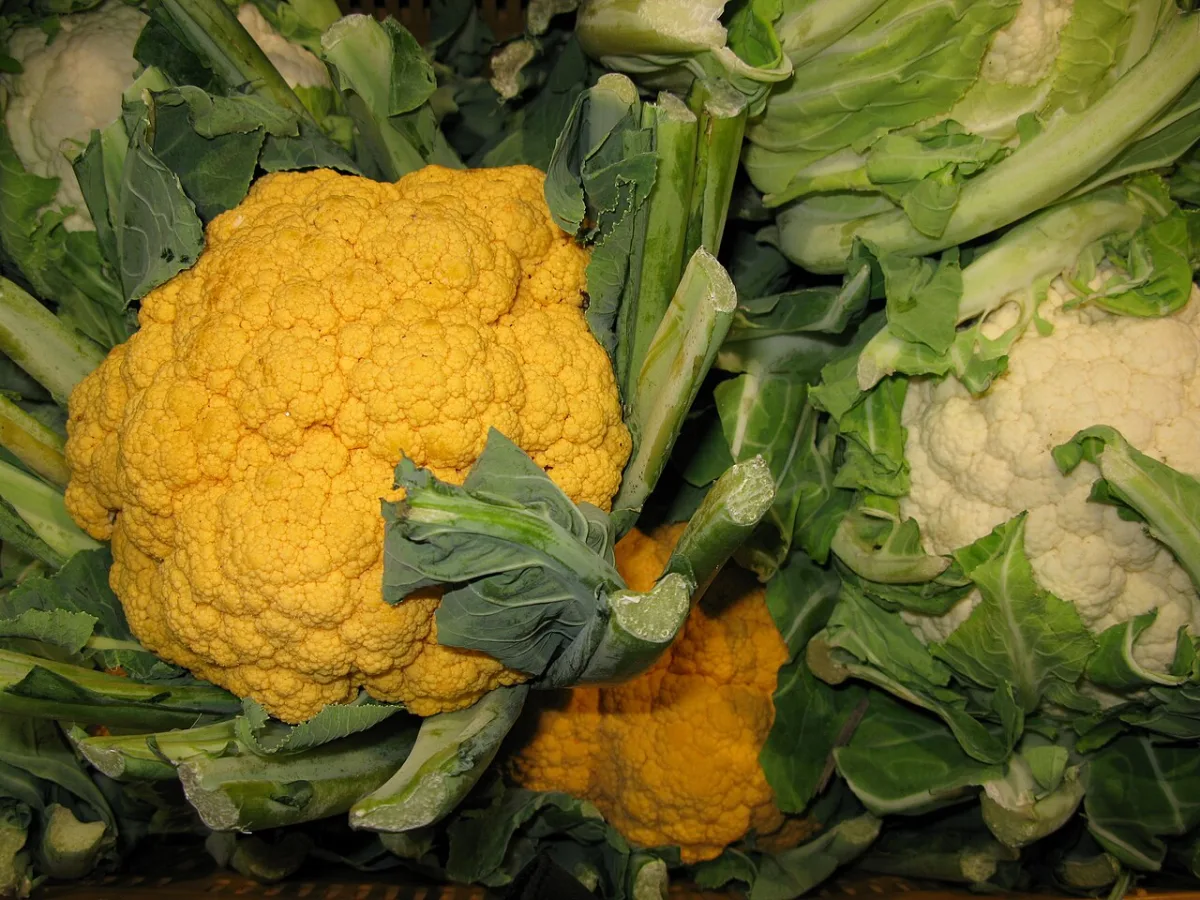
Cabbage is one of the key vegetable crops, requiring strict adherence to agrotechnical regulations at every stage of development. For an agronomist and a practicing vegetable grower, it is critical to understand the biological characteristics of the plant: from microclimate control during the cultivation of transplants in greenhouses to the specifics of nutrition in open soil. Success in production directly depends on the quality of substrate preparation, competent crop rotation, and timely diagnosis of pathogens, such as clubroot, which can significantly reduce yield.
This selection combines expert materials covering the full cycle of working with cabbage crops. Readers will find here practical recommendations for growing white cabbage and cauliflower transplants in protected soil, including methods for autumn maturation and nutritional specifics. Particular attention is paid to plant protection against diseases and principles of optimizing mineral fertilizers. The presented articles will help systematize knowledge about technological processes aimed at increasing the productivity of vegetable growing and maintaining soil fertility.