
Calculation of transplant requirements for open field and greenhouse cultivation
6 min read
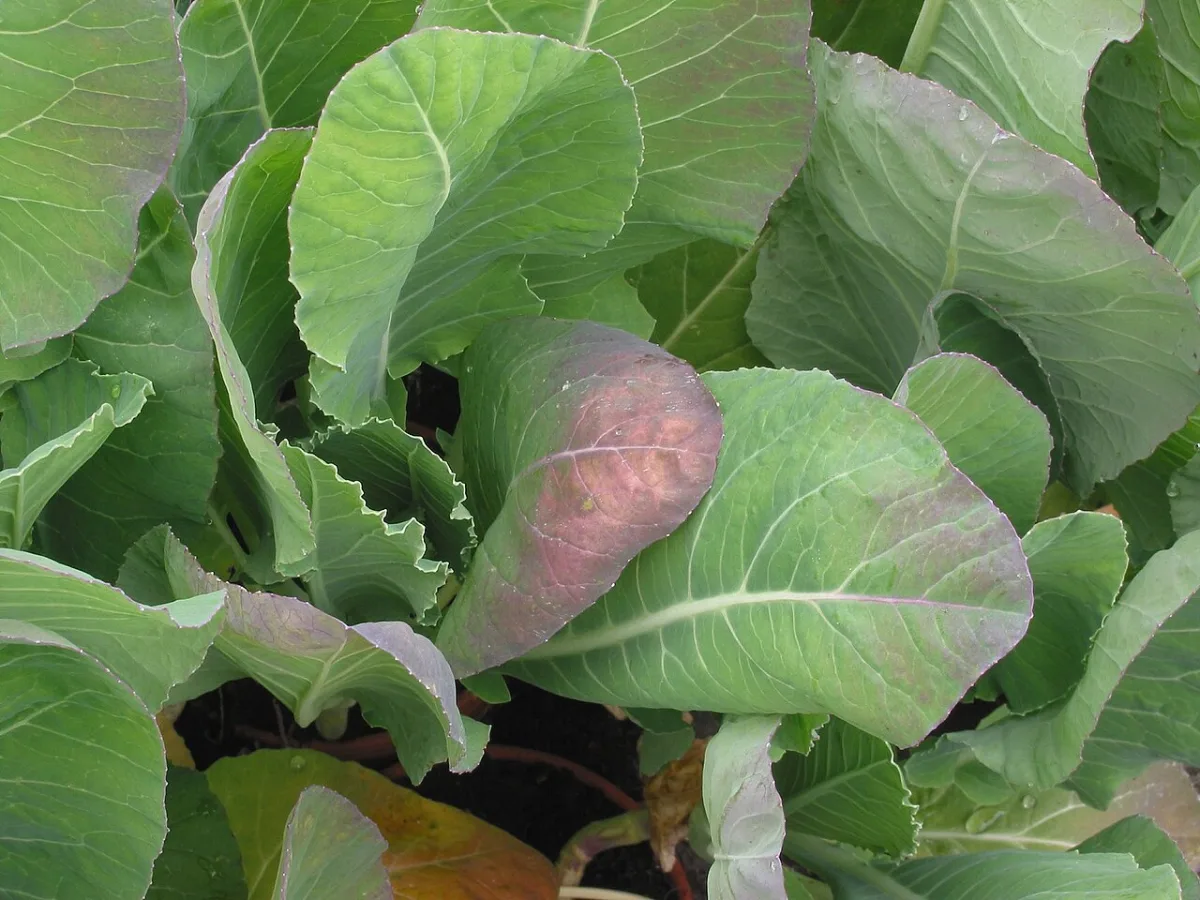
Calculation of transplants requirements by crop and structure type
Effective planning of the nursery section begins with an accurate calculation of the planting area. A shortage of plants will lead to empty spaces, while an excess will lead to the inefficient use of seeds, substrate, and heat. When calculating requirements, always include a safety margin for transplants in the amount of 10–15% of the planned volume.
- Transplant margin — 10–15%
- Early harvest increase from greenhouses — 30%
- Acceleration of fruiting in pots — 7–10 days
- Cost reduction for pricking out — 20–25%
For open field, estimated planting rates are calculated per every 10 m² of area. Requirements vary significantly depending on the biological characteristics of the crop and the habit of the adult plant. Below are the basic consumption rates of planting material for major vegetable crops.
| Crop | Number of transplants per 10 m² of open field, pcs. |
|---|---|
| Early-maturing white cabbage and cauliflower | 50 |
| Mid-maturing cabbage | 40 |
| Late-maturing cabbage | 20 |
| Eggplant | 40–50 |
| Pepper | 60–70 |
| Zucchini and summer squash | 12 |
| Tomato of indeterminate cultivars | 20 |
| Tomato of determinate cultivars | 40–50 |
For protected ground, rates are calculated per 1 m² of useful area or per one hotbed frame. In film covers, 6–8 tomato transplants or 4–6 cucumber transplants are planted per 1 m². In winter glass greenhouses, 1–2 long-fruited cucumber transplants, 4–5 short-fruited ones, or 3–5 tomato transplants are placed per 1 m². When growing in hotbeds, 6–8 cucumber transplants or 12–16 tomato transplants are required per one frame.
Timelines and cultivation technology are tied to the crop maturity period. Early and mid-season transplants (early white cabbage and cauliflower, tomato, pepper, eggplant) are grown in film greenhouses, glass or film hotbeds. Late cultivars of white cabbage are sown directly into open field seedbeds. The light and temperature regime of film greenhouses accelerate plant development compared to hotbeds, which increases the early harvest by 30%.
Cultivation technologies: pricking out, pot-grown and non-pot-grown methods
Transplants are grown by sowing seeds in pots, in a bed, or through pricking out. During pricking out, seeds are sown densely — from 1000 to 3000 pcs. per 1 m², which reduces the required area by 10 times. At the cotyledon or first true leaf stage, seedlings are transplanted to a permanent location, with the central root pinched to stimulate the growth of lateral roots. This is a labor-intensive technique that increases labor costs for transplant production by 40%.
From a biological point of view, pricking out has no advantages, as non-pricked plants develop faster and are not inferior in quality. However, the technique is economically justified in propagation greenhouses when there is a space deficit. Growing cabbage seedlings for 15–20 days and tomatoes for 20–25 days allows the use of 8–20 times less area than direct sowing into pots. This reduces heating and greenhouse depreciation costs, lowering the production cost of transplants by 20–25%, and when growing expensive pot-grown transplants, it allows selecting the best seedlings and increasing their commercial yield by 20%.
With the non-pot-grown method, the quality of transplants can be improved using insulating polyethylene film. It is spread under a 8–10 cm thick layer of nutrient substrate so that roots do not grow into the soil. As a result, a dense, viable root ball is formed, and the plants have short internodes and a dark green color. During transplanting, such a root system is preserved completely.
The use of film insulation in the non-pot-grown method significantly increases the risk of substrate drying out. On hot days, maintaining an optimal water regime requires constant monitoring by an agronomist.
To obtain early production, the pot-grown method is optimal. Plants are transplanted to the field with an undisturbed root system and a reserve of nutrients in the soil ball, which accelerates the onset of fruiting by 7–10 days. Pot sizes are selected according to the crop: for early white cabbage and cauliflower, pepper, and eggplant, a 6x6 cm size is optimal; for early tomato — 10x10 cm.
Cucurbitaceous crops (cucumber, zucchini, summer squash, watermelon, melon) have a delicate root system that is severely damaged during transplanting. They are grown exclusively using the pot-grown method. For mass planting dates of other crops, using pots is not economically feasible.
The tray-grown method allows for optimizing the gas-air, water, and nutrient regimes of plants. The method is borrowed from the Dutch technology of producing "super-transplants," where seedlings from small-volume cells are transplanted into larger pots. In such conditions, roots actively intertwine the substrate, forming a powerful spring-like system. The plants tolerate transplanting excellently, and the limited nutritional area allows for growing transplants in trays up to 15–30 days of age.
- Cell volume — 24–26 cm³
- Number of cells per block — 144 pcs.
- Air gap under the tray — 5–10 cm
- Application rate of Crystallon for top dressing — 10–15 g per 1 l of water
The small volume of soil in the cells causes its low buffering capacity. The success of cultivation depends entirely on strict control of temperature, irrigation, and nutrition, which is why these parameters are regulated by automated systems in commercial greenhouses.
To ensure the roots properly form a "spring," it is essential to create an "air pruning" effect. To do this, leave a gap of 5–10 cm between the bottom of the tray and the pallet or the soil surface. This prevents the roots from growing outward and stimulates branching within the cell.
Maintenance regulations and seedling yield rates
- Irrigate seedlings regularly using the fine mist method, and from 15–20 days of age — twice a day.
- Perform 2–3 applications of top dressing with Crystallon, starting from the two-true-leaf stage.
Tray technology does not replace the cultivation of full-fledged pot-grown transplants. However, it significantly surpasses potless and direct-sowing methods in terms of survival rate and yield predictability. Optimal growing periods for seedlings from the moment of emergence and their yield rates per square meter of usable greenhouse area (when placing 6 tray blocks per 1 m²) are shown in the table.
| Crop | Optimal seedling age from emergence, days | Seedling yield per 1 m² of usable area, pcs. |
|---|---|---|
| Cucumber | 12–15 | 800 |
| Tomato | 25–30 | 800 |
| Eggplant | 25–30 | 800 |
| Beet | 25–30 | 800 |
| Pepper | 25–30 | 1600 |
| Onion | 25–30 | 1600 |
| Carrot | 25–30 | 2400 |
| Late cabbage | 25–30 | — |
Read next
Greenhouses and covers For gardeners
Technologies for growing vegetable transplants in protected soil
Greenhouses and covers For agronomists
Technology of growing vegetable crop transplants at home
Greenhouses and covers For gardeners