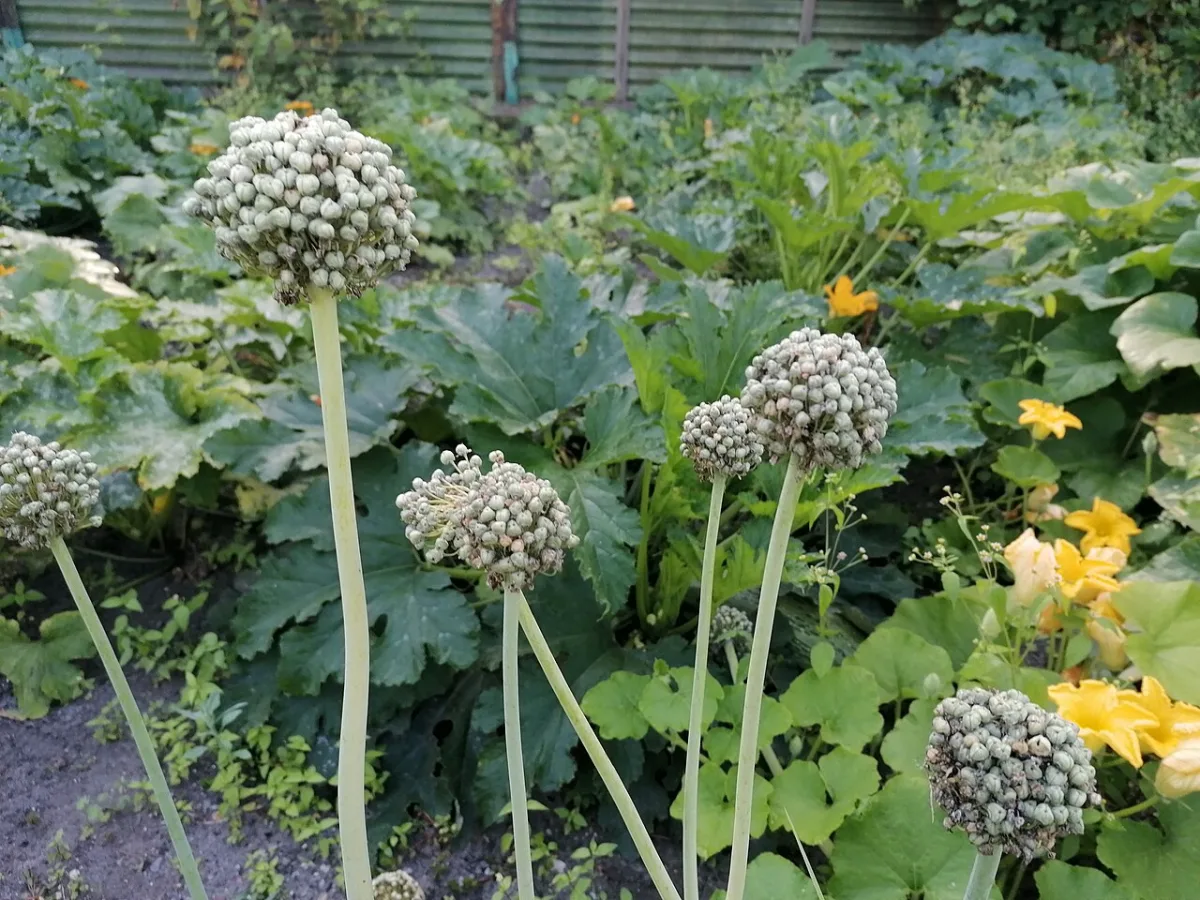
Transplanting is a critical stage in the life cycle of crops, involving the overcoming of stress factors and adaptation to new environmental conditions. For an agronomist and an enthusiastic gardener, this process is a technological operation that requires a precise understanding of developmental physiology, the state of the root system, and the influence of agricultural practices. A successful transition from the seedling period to the soil determines the growth rate, ripening dates, and overall productivity of the future harvest.
This collection contains materials covering the full cycle of working with transplants: from assessing seed quality and preparing soil mixtures to selecting optimal cultivation methods in various conditions. You will find a detailed analysis of the physiological mechanisms of growth regulation, practical recommendations for calculating the necessary number of plants, and the specifics of working with sensitive crops, such as cucumber. We have also paid attention to technologies for smallholdings and modern research methods that will help systematize the approach to growing vegetable and ornamental plants.