
Calendar of agrotechnical works in greenhouses and the vegetable garden in June and July
3 min read
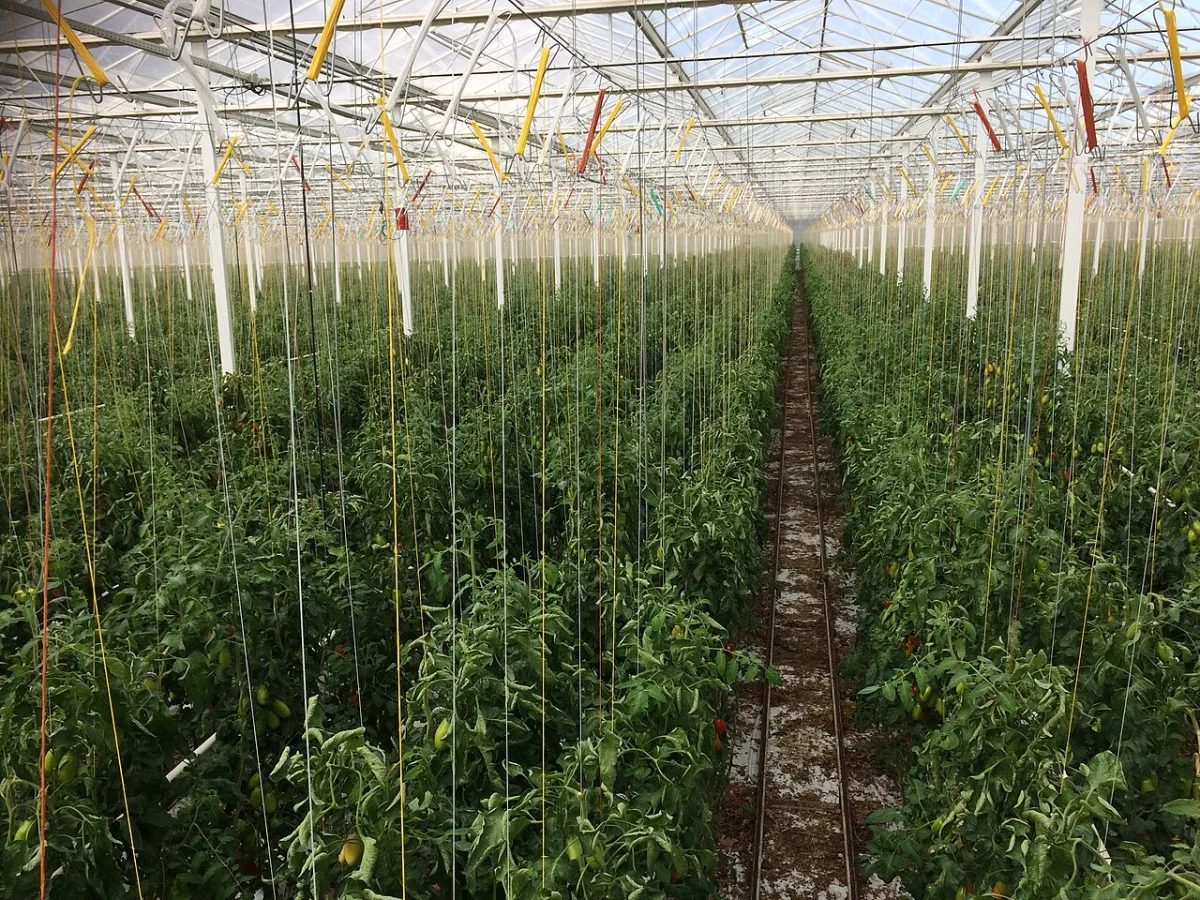
June is a critical month for shaping future vegetable beds and filling greenhouses. As soon as hotbeds are cleared of early transplants, heat-loving crops are immediately planted in them: peppers, eggplants, and tomatoes. For maximum productivity, it is important to carry out shaping operations in both protected and open soil on time.
- Deadline for planting transplants in open soil — mid-June
- Pinching of cucumbers in open soil — above the 5th–6th leaf
- Height of celery for tying — 30 cm
- Hilling of celery — every 3 weeks
- Number of pumpkin fruits per vine — no more than 2–3 pcs.
- Pinching of tomatoes — after 4–5 clusters
In open soil, during the first half of June, it is necessary to complete the transplanting of summer squash, pumpkin, mid- and late-season cabbage, broccoli, tomatoes, and sweet pepper. To ensure plants do not waste energy on excessive growth of green mass, perform regular shaping pinches. For pole beans, be sure to install reliable supports, and remove all emerging suckers from tomatoes growing in greenhouses.
Throughout June, the agronomist must complete a set of mandatory tasks for plant care:
- Pinch the tops of pole beans to achieve a bush form.
- Pinch the tops of fava beans during their mass flowering period.
- Install sturdy supports for tomato bushes.
- Remove flower-bearing shoots from rhubarb to preserve the succulence of the petioles.
- Hill potatoes, and regularly loosen, irrigate, and mulch the beds.
If there is a threat of late frosts, plantings are promptly covered with protective material. Overcrowded seedlings are thinned out, and for a late harvest of cauliflower, a second sowing is performed, placing 2 seeds in each hole. Also, in June, they begin preparing transplants of cauliflower, tomatoes, and cucumbers for winter greenhouses. Simultaneously, new compost piles are laid from plant residues and protective treatments against diseases and pests are carried out.
July: intensive care, plant protection, and preparation for harvesting
July marks the peak of fruiting for most greenhouse and open-soil vegetables. In hotbeds, the demand of cucumbers for water and nutrients rises sharply at this time, so irrigation and top dressing are made more intensive. Freed areas can be used for planting cucumber transplants to obtain seeds. If the old cucumber vines are healthy, carry out their rejuvenation to extend the growing season.
Pay special attention to potassium top dressing for cucumbers in July. A sufficient amount of potassium in the soil significantly reduces the risk of powdery mildew development on the plants.
In open soil, July is the time for secondary sowing of early-maturing and biennial crops. During this period, sorrel, rhubarb, chives, Welsh onion, early and leafy cabbage, turnip, lettuce, as well as winter cultivars of radish and early-maturing carrots are sown. In the first ten days of the month, the sowing of head lettuce for transplants is completed. Regular weeding, loosening, and irrigation on dry days continue in the vegetable beds.
For the proper formation of the harvest in July, the following technological techniques are carried out:
- Hill Brussels sprouts and winter cauliflower.
- Cover cauliflower heads from the sun with broken leaves.
- Re-pinch the tops of pole bean cultivars.
- Tie the leaf stalks of celery that have reached a height of 30 cm, and hill the bushes every 3 weeks.
- Induce the lodging of onion tops to accelerate bulb ripening.
Watch for the appearance of pests: aphids, cabbage butterfly caterpillars, pea leaf miners, and slugs. If signs of powdery mildew are detected on cucumbers, immediately perform spraying with a therapeutic solution.
| Preparation | Concentration | Application rate |
|---|---|---|
| Copper sulfate or potassium permanganate | 5% | 5 g per 10 l of water |
In open soil, you can significantly extend the fruiting of cucumbers with the help of special agrotechnics.
- Carefully lay out the cucumber vines on the surface of the bed.
- Add fresh nutrient soil under them to stimulate the growth of new roots.
- Ensure abundant and regular irrigation.
On tomatoes, continue to remove suckers and excess late clusters, pinching the tops after the formation of 4–5 fruit clusters. At the same time, the best tomato bushes are selected for harvesting one's own seeds. When the above-ground part of onion sets, bulb onions, and garlic dies off, harvesting begins. At the end of July, the mass harvest of early potatoes, white cabbage and cauliflower, carrots, beet (during thinning), summer squash, cucumbers, pattypan squash, and onions begins.
Monitor tomato plantings carefully. If the first symptoms of late blight appear, affected bushes must be destroyed immediately to prevent the loss of the entire harvest.
Parallel to harvesting, preparations for the new season are underway. Spent cucumber vines are removed from greenhouses and burned; cellars, basements, and other storage facilities are disinfected and aired out. Canning containers are prepared, herbs are dried, and cucumbers and tomatoes are salted and pickled. Last year's compost is turned and moistened with water or liquid manure, while fresh plant residues continue to be added to new piles.
Read next
Greenhouses and covers For gardeners
Autumn agricultural operations in greenhouses and open soil
Greenhouses and covers For gardeners
Growing cucumber and various onion species transplants in hotbeds
Greenhouses and covers For gardeners