
Autumn agricultural operations in greenhouses and open soil
3 min read
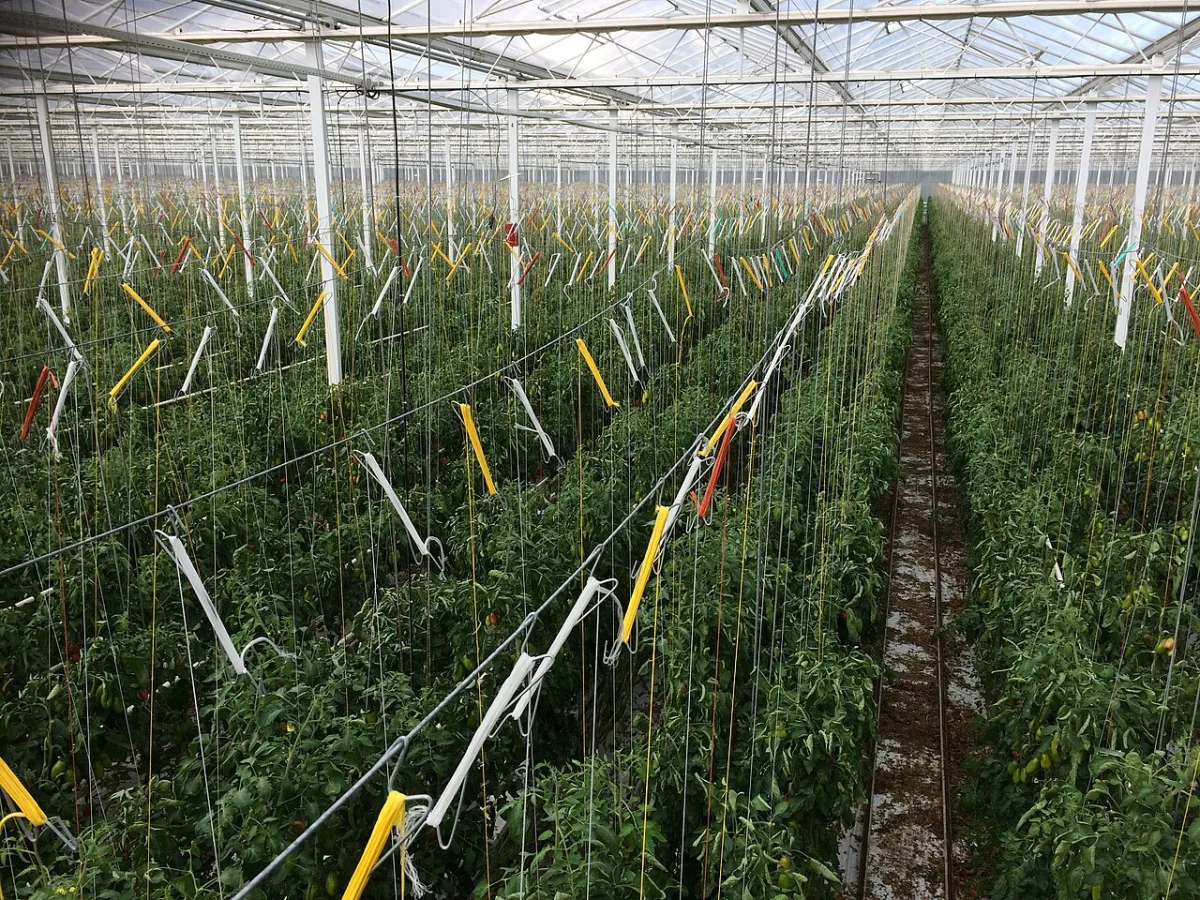
The autumn period in greenhouse management is a time for transitioning to the winter growing cycle, preparing soil, and conducting a general cleanup. In September, transplants of head lettuce are planted, and care continues for autumn cucumbers, tomatoes, and radishes. At the same time, parsley is sown for repeated greens harvesting. All available space must be promptly prepared for the next crop rotation.
- Clear unused greenhouses and hotbeds of plant residues and old soil.
- Disinfect walls, shelves, frames, mats, boxes, and work tools.
- Perform routine structural repairs.
- Prepare and bring fresh compost, peat, and soil mixtures to the greenhouses.
At the end of September, begin preparing material for winter forcing. At this time, parsley and celery roots are heeled in, and rhizomes, root crops, and perennials are dug up. Consider the light requirements of crops during forcing:
- In the dark: rhubarb, asparagus, chicory, lettuce.
- In the light: sorrel, parsley, celery, onion.
In October, cucumber and tomato cultivation for the autumn-winter rotation is completed. The vacated space is used for tight-spaced planting of parsley and celery for forcing. In hotbeds at this time, tomato ripening, cauliflower final growth, and radish harvesting are finished. After completing all harvesting work, protected ground structures are thoroughly disinfected with a bleach solution.
| Preparation | Water volume | Solution infusion time |
|---|---|---|
| Bleach — 400 g | 10 l | 2–4 hours |
Conduct disinfection with bleach only in greenhouses and hotbeds completely cleared of plants to avoid chemical burns to growing crops.
After disinfection, the greenhouses are suitable for forcing celery, parsley, beet, onion, and rhubarb. The first harvest of parsley and celery greens, which were planted as transplants in October or sown from seed in September, is also carried out here. In unheated greenhouses, rooted artichoke cuttings are stored in pots until April, after which they are moved to open ground. In late autumn, frames and tools are put into storage, and the collection of ash, peat, and poultry manure begins.
Open ground work: harvesting, storage, and winter sowing
On garden beds, care continues for leafy crops and late cabbage cultivars. Plants must be irrigated, hilled, provided with top dressing, and protected from pests. To accelerate the ripening of spring-planted onions, bend their leaves toward the ground. At the end of September, completely remove the leaves of asparagus and Brussels sprouts.
Before placing vegetables into storage, be sure to dry them and cull all immature, rotten, or damaged specimens.
Harvested carrots, parsley, celery, and turnips are placed for storage in coarse sand. Sanding is carried out in boxes or in a designated area located away from sowing areas, planting sites, and main vegetable stores. Before frosts set in, completely harvest tomatoes and cucumbers for pickling and marinating, and prepare culinary herbs.
In October, major harvesting work is completed. Cauliflower, leek, celery, parsley, chicory, and rhubarb are moved to hotbeds for final growth. Asparagus requires special care: it is cut back, and soil ridges are built over the beds. During this same period, horseradish is dug up.
- Cooling temperature for vegetables before storage — 10–15 °C
- Bleach application rate for disinfection — 400 g per 10 l of water
- Disinfecting solution infusion time — 2–4 hours
- Artichoke planting time for open ground — April
Winter sowing of carrots, parsley, beet, dill, lettuce, and spinach is carried out before the onset of steady frosts (in late October — November). Protective covers are installed over the beds. Perennial plantings, parsley left for winter, and cold-sensitive herbs—laurel and rosemary—are also covered. After this, the beds are cleaned, stakes are washed, and support poles are put away.
Read next
Greenhouses and covers For gardeners
Technology for growing and autumn finishing of cauliflower in hotbeds
Greenhouses and covers For gardeners
Technology for forcing green crops in spring hotbeds
Greenhouses and covers For gardeners