
Morphological characteristics and toxicity of the weed black nightshade
2 min read
European black nightshade is a noxious weed belonging to the Solanaceae Juss. family. It actively infests row crops, especially potato and beet. The plant is also found in vegetable gardens, and less frequently in spring and industrial crops. It is the most common weed in plant products across the European territory (almost everywhere), Crimea, the Caucasus, Western and Eastern Siberia, as well as Central Asia.
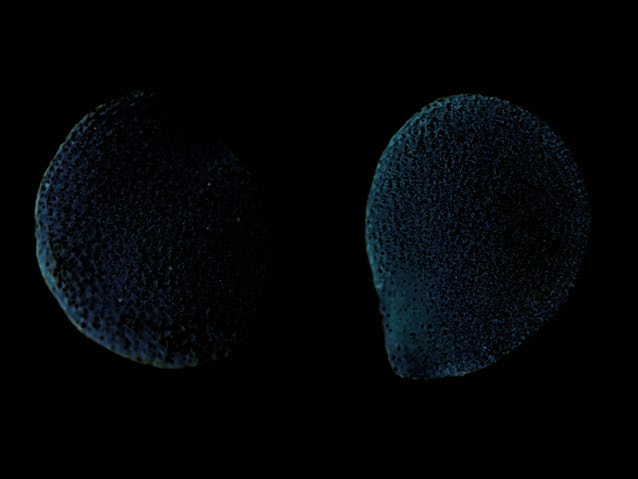
The weed's berries are succulent, black, and multi-seeded. The seeds are round-ovoid in shape, strongly laterally compressed, and elongated-oval in cross-section. The seeds narrow towards the base and are pointed at the seed hilum. The seed surface is cellular and oily-shiny, with cells arranged parallel to the edges. The seed color is straw-yellow or light yellow, and the faint seed hilum on the beak-like projection is lighter in color.
- Seed length — 1.752 mm
- Seed width — 1.251.5 mm
- Seed thickness — 0.50.75 mm
Toxicity of nightshade and danger to production
Unripe fruits and shoots of the European black nightshade contain the toxic alkaloid solanidine, present in the form of the glycoalkaloid solanine. Solanine has an irritating effect on the mucous membranes of the digestive tract and suppresses the activity of the central nervous system. Poisoning in humans, especially children, occurs when eating unripe fruits of the weed. Livestock poisoning occurs when consuming unripe nightshade in paddocks where all other vegetation has been completely trampled.
Signs of poisoning usually appear even before a lethal dose of berries and herbs is consumed. When solanine enters the human or livestock animal body, acute poisoning occurs. The main symptoms of intoxication include digestive disorders, depression of activity, and malfunctions of the respiratory and cardiac systems.
- abdominal pain, nausea, and vomiting;
- depression of motor and mental activity;
- difficulty in breathing;
- cardiovascular failure;
- comatose state in severe cases.
All members of the Solanum genus contain solanine to varying degrees. This glycoalkaloid is also present in the shoots and unripe fruits of tomato Lycopersicon esculentum Mill. and bladder cherry Physalis alkekengi L. In addition, the toxin is contained in the aerial parts and fruits of boxthorn Lycium, as well as in the leaves of certain tobacco species Nicotiana.
Potato (S. tuberosum L.) is widely cultivated in plant production, and its shoots, green fruits, and tubers that have turned green due to light exposure are poisonous. The accumulation of solanine occurs due to violations of agricultural technology and improper storage, and its sign is a bitter taste. The toxin is not destroyed even after heat treatment, so such tubers are strictly prohibited for use as livestock feed.
Read next
Seeds and varieties For agronomists
Botanical description and quarantine status of Solanum triflorum
Seeds and varieties For agronomists
The Carolina horsenettle is a dangerous quarantine weed and its characteristics
Seeds and varieties For agronomists