
Strategies for managing pathogen resistance to fungicides in agronomy
10 min read
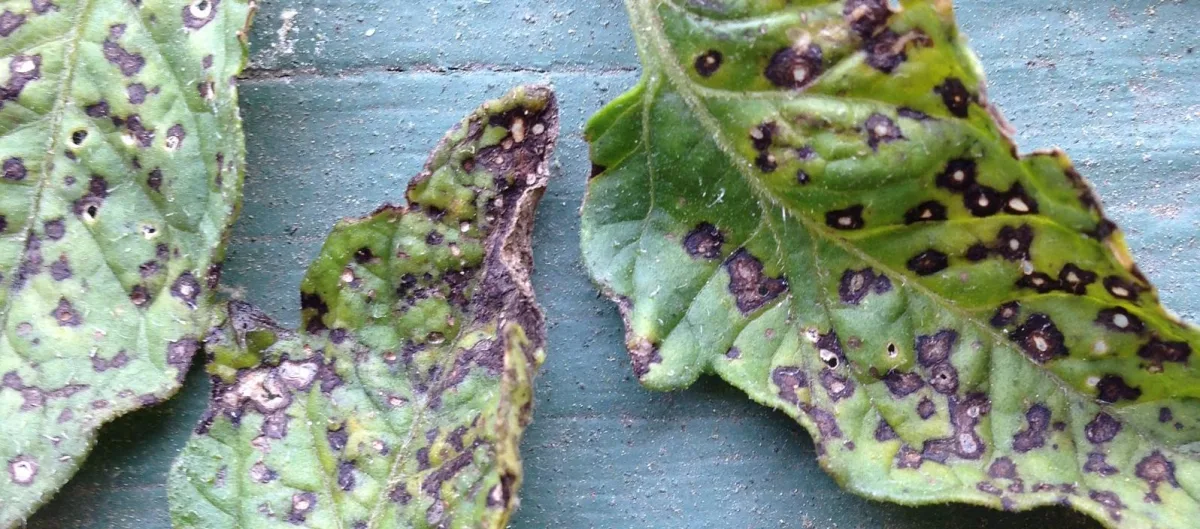
When planning a fungicide treatment program, all necessary measures must be taken to minimize the risk of resistance development. Once resistance appears in a given pathogen population, it is unlikely to disappear quickly. The most successful approach to solving this problem in other fields of biology has been the alternation of substances with different modes of action or their use in mixtures. For a specific farm with real opportunities to rotate pesticides, this is the most appropriate method, which should be used regardless of the practical difficulties that may arise. When planning an appropriate control program, one must use caution when applying preparations of different modes of action belonging to different groups. An ideal approach would be to alternate preparations with a specific effect and those with a multi-site effect, provided the latter is at least moderately effective against the target pathogen. It is possible that the two chosen fungicides decompose at different rates, but this will not cause complications provided they are correctly applied and sufficiently effective. The chosen preparations can be used separately or as tank mixtures. Some fungicides, such as Fubol, a mixture of metalaxyl and mancozeb, are produced as commercial mixtures. When using tank mixtures, one must exercise caution and ensure that the application safety and efficacy of the mixtures are guaranteed by the originator. An alternative to using mixtures is alternating the components, which is no less effective, and if both fungicides are authorized for use on a given crop, no complications related to mixing will occur. Satisfactory results may
GROUPS OF FUNGICIDES WITH DIFFERENT MODES OF ACTION USED ON GREENHOUSE CROPS Name Preparative Pathogens or diseases against Active Ingredient form which the fungicide is effective Acylalanines Furalaxyl (Fongarid) | Metalaxyl Fubol* (Ridomil) | Milfuram Patafol (| Phytophthora, downy mildew Benzimidazoles Benomyl Benlate (fungazole) Carbendazim Bavistin (de- | Verticillium, rosal, olgin, | BMK) | Thiophanate- Mildotan Cercospora methyl (topsin-M) Thiabendazole Chimash* (tekto) Bisagint Carboximides Benodanil Calirus { Rusts, smuts, Rhizoctonia, and some Carboxin Vitavax (ke- |; other basidiomycetes mixar) Oxycarboxin Plantvax | Dicarboximides Iprodione Rovral Botrytis Procymidone Sumisclex | Alternaria Vinclozolin Ronilan Stemphylium Aromatic Hydrocarbons Dicloran Allisan Botrytis Quintozene PCNB | Rhizoctonia Tecnazene Tecnazene] Fusarium (except wilts) Dithiocarbamates Thiram Thiram Downy mildew and Rhizoctonia, Botrytis
Maneb Maneb General-action fungicides Mancozeb Dithane M-45 with specific activity against Nabam Campbell's soil downy mildew, rusts, some fungicide pycnidial (e.g., Dithane w.p. | Didymella) Sterol Biosynthesis Inhibitors Bitertanol Baycor Fenpropi- Mistral (for- ergosterol morph** bell) Imazalil Fungaflor Nuarimol Triminol (tri- Powdery mildew fungi, munol, tri- although some fungicides migidal) have a wider spectrum Prochloraz Sportac Prochloraz- Sportgon manganese Propiconazole Tilt Triadimefon Bayleton Triforine Saprol Hydroxypyrimidines Bupirimate Nimrod Powdery mildew fungi Dimethirimol Milkerb (milcarb) Organophosphorus compounds Pyrazophos Afugan Powdery mildew fungi Tolclofos-methyl Rizolex Rhizoctonia 5 Order No. 484 129 Continuation Short Group name Preparative Pathogens or diseases against fungicide form which the fungicide is effective Anthraquinones Dithianon Delan-col Leaf spots and, possibly, root rots Isoxazolones Drazoxolon Mil-col Pythium Nitroisophthalates Nitrothal-iso- Kumulan Powdery mildew fungi propyl Quinoxalines Quinomethionate Morestan » > Sulfamides Elvaron | Botrytis, downy mildew Dichloflua- (euparen)] nid Euparen M Tolylfluanid | Thiocarbamates Propamocarb- Filex (pro- Phytophthora, hydrochloride pamocarb) Pythium Prothiocarb Dinon (previcur) Thiadiazoles Etridiazole Aaterra (ter- Pythium, rhu- phrazol, ter- raroga cot) Phthalimides Captan Captan | Botrytis Folpet Foltan \ Leaf spots Phthalonitriles Chlorothalonil Daconil Botrytis, downy mildew, Verticillium, lineola Copper-containing preparations Copper-ammo- Fungex Downy mildew, nium compound Phytophthora infestans some leaf spots caused by fungi and bacteria, some powdery mildew species Sulfur Sulfur Thiovit Powdery mildew Dinitro-derivatives Dinocap Karathane Other fungicides Fosetyl-alu- Aliette Downy mildew, minum Phytophthora infestans * The mechanism of action has not been fully established yet, possibly a multi-site effect. ** A mixture of fungicides containing a second active ingredient. Note. Parentheses indicate preparative forms more well-known in the USSR, not cited by the author. — Ed. note. be obtained by composing mixtures from half-doses of each preparation, provided that both substances are effective against the given pathogen. However, if the pathogen becomes less sensitive to one component or the other, the mixture is unlikely to yield the desired result. In some cases, separate application of each preparation at a half-dose may contribute to the development of resistance in the pathogen as a result of the gradual development of less sensitive races, which will eventually become dominant in the population.
Strategies for protecting greenhouse crops from gray mold and powdery mildew
Regular spraying with the same fungicide quickly leads to a loss of its efficacy, even if the product perfectly suppresses the disease. With constant use of dicarboximides against gray mold (Botrytis cinerea), the harmfulness of the disease only increases, although resistant forms of the fungus possess weakened virulence and form fewer spores. Such populations cause disease outbreaks under conditions of constant selection pressure created by the fungicide. Therefore, in greenhouse soil, B. cinerea remains the most dangerous pathogen.
Resistance of Botrytis cinerea to benzimidazoles and dicarboximides is interrelated. Isolates that have developed resistance to dicarboximides quickly acquire it to benzimidazoles as well. At the same time, resistance to benzimidazoles persists in the population almost indefinitely, even after the cessation of treatments.
To combat gray mold, it is necessary to use multi-site action products: dichlofluanid (Euparen), chlorothalonil (Daconil), and thiram. They help reduce the risk of the accumulation of resistant pathogen races in the greenhouse. Treatment schedules for major crops are built taking into account the rotation of active ingredients of various chemical classes to minimize the risk of resistance.
| Crop | Treatment schedule and products used | Pre-harvest interval (days) |
|---|---|---|
| Tomato (in case of fruit infection risk) | Before harvesting: iprodione or vinclozolin. During harvesting: fumigation. |
Iprodione — 2 Vinclozolin — 1 |
| Lettuce | In the first three weeks after planting: dichlofluanid, then iprodione or vinclozolin. Alternative option: rotation of iprodione or vinclozolin with chlorothalonil. |
Dichlofluanid — 3 Iprodione — 2 Vinclozolin — 1 Chlorothalonil — 0.5 |
| Cucumber | Captan or thiram in rotation with chlorothalonil. During harvesting: fumigation. |
Chlorothalonil — 0.5 |
| Carnation | Three sprayings with dichlofluanid, of which every two are combined with iprodione. | Dichlofluanid — 3 Iprodione — 1 |
In the cucumber powdery mildew pathogen (Sphaerotheca fuliginea), resistance to dimethirimol (Milcurb) formed just a few years after the start of its application. The complete loss of product efficacy in some countries forced agronomists to abandon it. Attempts to return dimethirimol to protection programs led to the immediate renewal of pathogen resistance. The use of an analog of this fungicide — bupirimate (Nimrod), as well as benzimidazoles (Benlate), led to similar results.
The choice of alternative fungicides against powdery mildew in greenhouses is complicated by the use of biological control methods. Many effective products are toxic to entomophages and acariphages. To preserve beneficial fauna, treatment schedules for cucumber must be strictly separated depending on the implementation of the biological method.
| Use of biological control in the greenhouse | Treatment schedule against Sphaerotheca fuliginea |
|---|---|
| Biological control is being used | Alternating sprayings with bupirimate and dinocap (low toxicity to predatory mites) + separate root drenching with benomyl. |
| Biological control is not being used | Alternating sprayings with one of the products from the following groups: 1. benomyl, carbendazim or thiophanate-methyl (group 2); 2. bupirimate (group 8); 3. dinocap (group 7); 4. imazalil (group 7); 5. pyrazophos (group 13). |
Unlike cucumber, the rose powdery mildew pathogen (Sphaerotheca pannosa) has not yet developed resistance to fungicides. This phenomenon surprises specialists but requires practical preventive measures. To prevent the emergence of resistant races in rose gardens, it is necessary to proactively use products that vary widely in their mechanism of action.
Preventing pathogen resistance in mushroom cultivation
Benzimidazoles are effective for combating dry bubble disease of mushrooms (pathogen — Verticillium fungicola). However, within three years of constant treatments, these products completely lose their efficacy due to the development of resistance. At the same time, thiabendazole (Tecto) decomposes in the substrate more slowly than benomyl. Due to this, thiabendazole sometimes provides moderate suppression of the disease even in the presence of benomyl-resistant pathogen races.
The use of benzimidazoles in low doses leads to the opposite effect. Small concentrations of the products have a stimulating effect on Verticillium fungicola, which causes the infestation of mushrooms with dry bubble disease to increase sharply.
It is interesting that other dangerous mushroom diseases — wet bubble (Mycogone perniciosa) and cobweb mold (Hypomyces rosellus) — do not develop resistance to benzimidazoles. Although they are under the same selection pressure, these fungi form significantly fewer spores. This reduces the likelihood of the appearance and fixation of resistance mutations in the population.
- Proportion of benzimidazole-resistant B. cinerea isolates in the greenhouse — more than 50%
- Time for complete loss of benzimidazole efficacy against dry bubble — 3 years
- Groups of fungicides for rotation against cucumber powdery mildew — 2, 7, 8, 13
Features of fungicide application in hydroponics and tomato cultivation techniques
When growing greenhouse crops using the nutrient film technique (NFT) and other types of hydroponics, fungicides can be applied directly into the nutrient solution. This allows for the protection of the root system from rots and vascular wilts, and when using systemic products — to suppress foliar and stem pathogens. So far, this technology is in the initial stage of implementation, and the list of proven products is limited.
When applied to the solution, the fungicide comes into contact with the entire root system of the plant, which drastically increases the risk of phytotoxicity. It is necessary to experimentally determine safe application rates for each specific "product — crop" pair.
In combating root rots of tomato, caused by fungi of the genera Pythium and Phytophthora, etridiazole is effective at a dose of 60 mg/l of the active ingredient. Foliar pathogens in hydroponic systems are suppressed using benzimidazoles. If the introduction of the product into the nutrient solution does not yield results against a specific disease, one should switch to standard foliar spraying.
Protection of tomatoes in greenhouses begins with mandatory soil disinfection. The soil is steamed or treated with chemical agents — methyl bromide, dazomet, metam-sodium, or formaldehyde. This reduces the infectious background before planting transplants.
- Sowing seed in steamed compost or a peat-sand mixture from November to March at a temperature of 20 °C.
- Pricking out seedlings into pots or blocks approximately 10 days after emergence.
- Growing transplants in vegetation houses with artificial 12-hour lighting and constant enrichment of the air with carbon dioxide to a concentration of 1 g/l (0.1%).
- Planting plants in their permanent location from December to May (for early crops — at the stage of the first cluster appearance, for late crops — at earlier stages of development).
Tomatoes are grown in soil, peat bags, mineral wool, troughs, and using the Nutrient Film Technique (NFT). As supports, both standard trellising and arched systems are used. For early plantings, a temperature of 21–24 °C is maintained during the day and 16–17 °C at night, additionally enriching the air with carbon dioxide up to 1 g/l.
- Transplant requirement per 1 ha — 20–30 thousand plants
- Night temperature (late crop) — 13 °C
- Harvesting period — from March to October
- Maximum yield — 330 t/ha
Read next
Plant protection For agronomists
Efficiency of fungicide application against ear diseases of spring wheat
Plant protection For agronomists
Regulations for the application of Rovral and Kemicar fungicides in plant protection
Plant protection For agronomists