
Cultivation technologies for lingonberry, blueberry, and cranberry in a greenhouse
4 min read
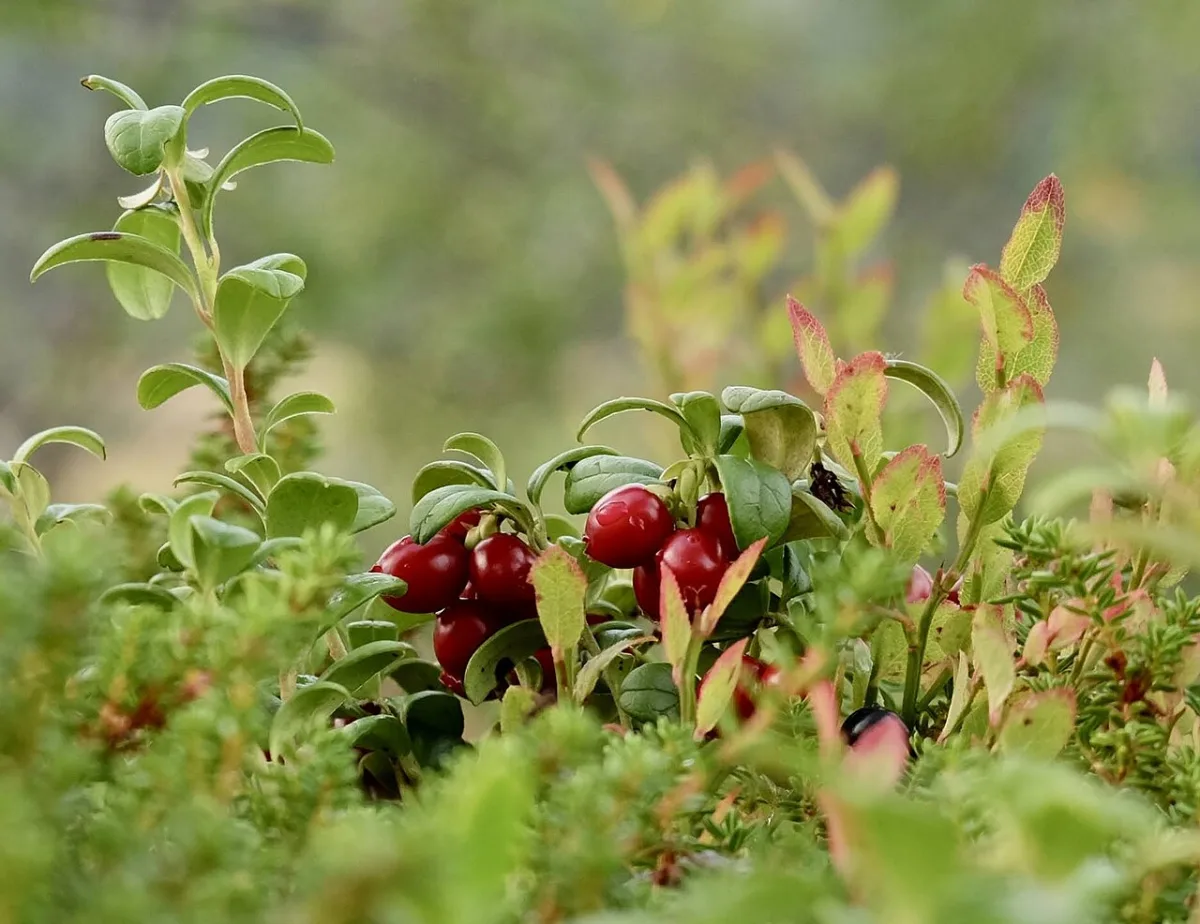
Successful cultivation of lingonberry, blueberry, and cranberry in a greenhouse requires strict adherence to planting and maintenance technology from the very first days. Wild berry crops do not need constant attention, but in the conditions of protected soil, it is impossible to obtain a stable commercial harvest without regular top dressing and humidity control. At the initial stage, it is important to properly prepare the planting material and ensure optimal conditions for root establishment.
- Seed sowing rate — 150 mg per are
- Lingonberry cutting planting depth — 3–4 cm
- Height of the above-ground part of the cuttings — 2–3 cm
- Blueberry root depth — 5–7 cm
For lingonberry propagation by cuttings, it is important to follow a sequence of operations to achieve maximum survival. With proper care, rooting begins 8–10 days after planting.
- Plant the cuttings to a depth of 3–4 cm into well-moistened soil, leaving 2–3 cm long tips above the surface.
- Within 18 hours after planting, treat the cuttings with an indole-3-butyric acid solution to stimulate root formation.
- Keep the soil in a constantly moist state, while avoiding excessive irrigation of the plants.
Blueberries are planted in the spring. The root system of the nursery plant is spread freely in the hole, covered with soil to a depth of 5–7 cm, slightly compacted, and watered. If there is a high risk of site flooding, planting is carried out on low ridges.
When planting blueberries, it is strictly forbidden to apply mineral fertilizers directly into the prepared holes — this can damage the root system.
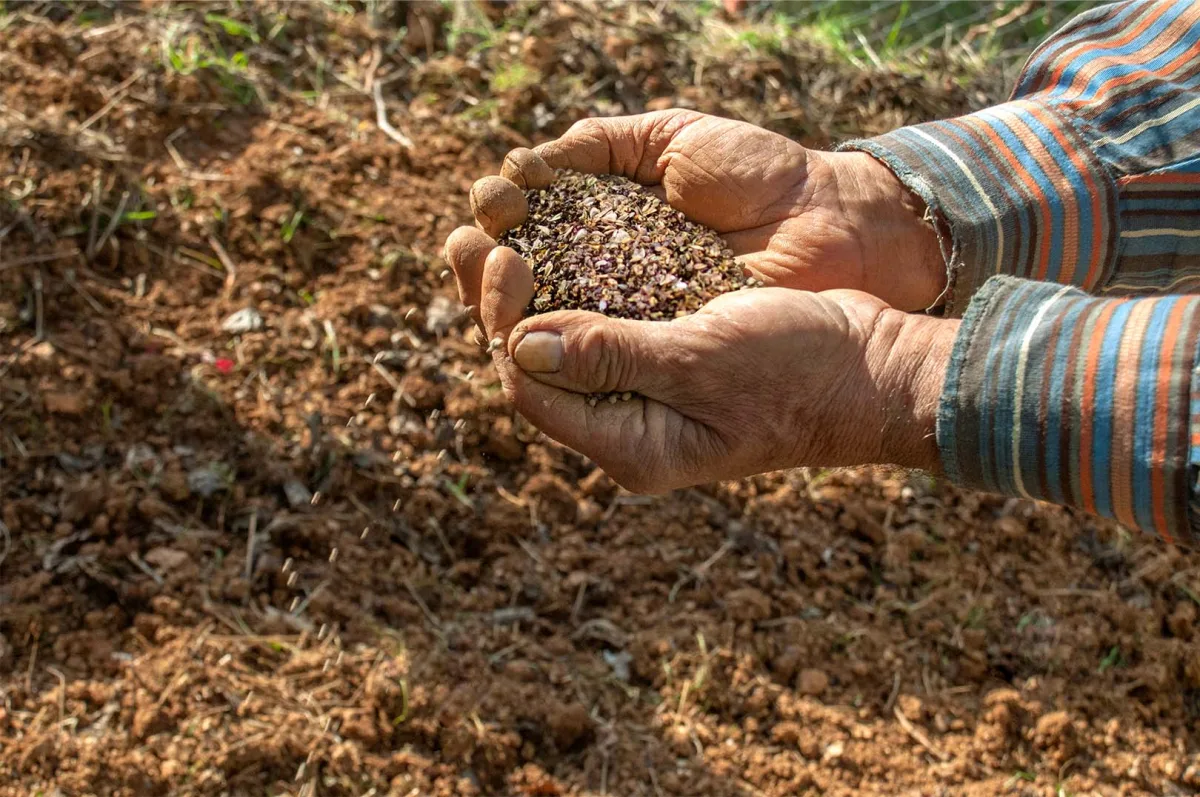
Sowing seeds of lingonberry, blueberry, and cranberry is carried out in mid-May, at the very beginning of the growing season. Keep in mind that the highest germination rate is noted in lingonberry seeds, while only a small part of the seed material germinates for cranberry and blueberry.
Top dressing, mulching, and care schedules for plantings
The first 3–4 years of plant life are spent on the growing season — strengthening the root system and developing the above-ground part. During this period, complex mineral fertilizers are used to stimulate growth of berry crops, the dosages of which depend on the crop type and soil type.
A mixture of nitrogen, phosphorus, potassium, boron, manganese, and zinc is used to top dress cranberries. Fertilizers are applied in fractions, every two weeks, at a rate of 0.5 kg of nitrogen, 1 kg of phosphorus, 1.5 kg of potassium, and 0.5 kg of magnesium per are. At the end of summer, nitrogen is completely excluded from top dressing to slow down shoot growth and prepare the bushes for wintering.
To accelerate the growth and rooting of cranberry berry bushes in the spring, before the buds wake up, it is useful to sprinkle the soil with a 0.5–1 cm layer of coarse sand. However, this procedure is not recommended if shoot growth is weak.
Lingonberry plantings require annual spring mulching with a 2–3 cm layer of peat. Simultaneously, mineral fertilizers are applied: nitrogen at a rate of 0.3 kg per are (to stimulate growth of shoots) and potassium-phosphorus fertilizers at 0.5 kg per are. By following this scheme, lingonberry covers up to 90% of the greenhouse area by the second year.
The blueberry nutrition scheme in the first three years of cultivation requires fractional application of elements. Phosphorus and potassium are incorporated into the soil in the fall after the harvest, while the annual rate of nitrogen is distributed into three applications: at the beginning of the growing season, a month later, and at the end of June. When grown on peatlands, the dosages are doubled.
| Fertilizer | Rate on mineral soils, kg/are | Rate on peat soils, kg/are |
|---|---|---|
| Ammonium nitrate | 2 | 4 |
| Ammonium sulfate | 4 | 8 |
| Potassium and phosphorus fertilizers | 2.5 | 5 |
| Superphosphate and potassium sulfate | 1 | 2 |
If the tips of blueberry shoots start to dry out, and the leaves curl and become covered with necrotic spots, the plants lack nutrients. Urgently apply magnesium, boron, manganese, and iron to the soil.
In the fruiting period of all three crops, the emphasis is placed on berry quality. Top dressing is carried out during fruit set, while the proportion of nitrogen fertilizers is reduced. Nitrophoska, superphosphate, and trace elements are used to build biomass. Of the organic fertilizers, only well-decomposed manure is allowed, the dose of which is calculated based on the humus content in the soil.
Every autumn, plantings are mulched with organic materials: conifer sawdust, peat, or straw. Since mulch binds nitrogen in the soil, the consumption rate of nitrogen fertilizers increases. To avoid unnecessary expenses on purchased chemicals, the organic matter is enriched with nitrogen before application, for example, by mixing sawdust with poultry manure.
Read next
Greenhouses and covers For gardeners
Agrotechnology of cranberry, lingonberry, and highbush blueberry cultivation on a plot
Greenhouses and covers For gardeners
Preparation of the soil substrate for growing lingonberry, blueberry, and cranberry
Greenhouses and covers For gardeners