
Organization and economic foundations of commercial fish farming
13 min read
Directions of Work and Organization of Pond Farming
Commercial fish farming is focused on wholesale and small-scale wholesale sales. The main sales channels for products are processing plants, retail chains, catering establishments, social institutions, and paid fishing ponds. The organization of recreational services for amateur anglers brings additional profit. The development of coastal infrastructure, rental of fishing gear, and the organization of primary catch processing services (cleaning, salting, hot smoking) allow for the successful sale of fish to retail customers directly on-site.
- Area for 10 tons of carp — 5 hectares
- Share of feed in costs — 50–60%
- Yield on natural feed — up to 120 kg/hectare
- Protein in intensive feed — 26–28%
- Daily feed rate for carp — 1.5–3% of body weight
- Feed consumption per 1 kg of carp weight gain — 3.5–4 kg
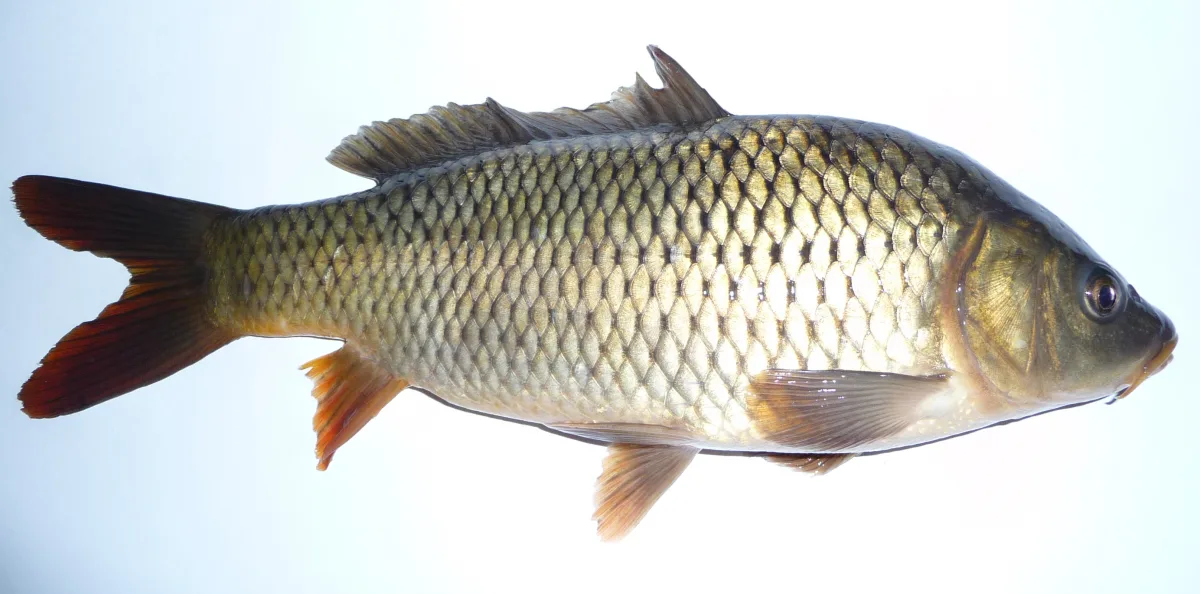
When choosing a breed for commercial fish farming, the focus is on carp and trout, as they demonstrate a stable growth rate and high demand. Carp is undemanding, hardy, and suitable for most types of water bodies. Trout requires strict housing conditions and professional care, but at equal growing costs, it sells for almost three times the price of carp.
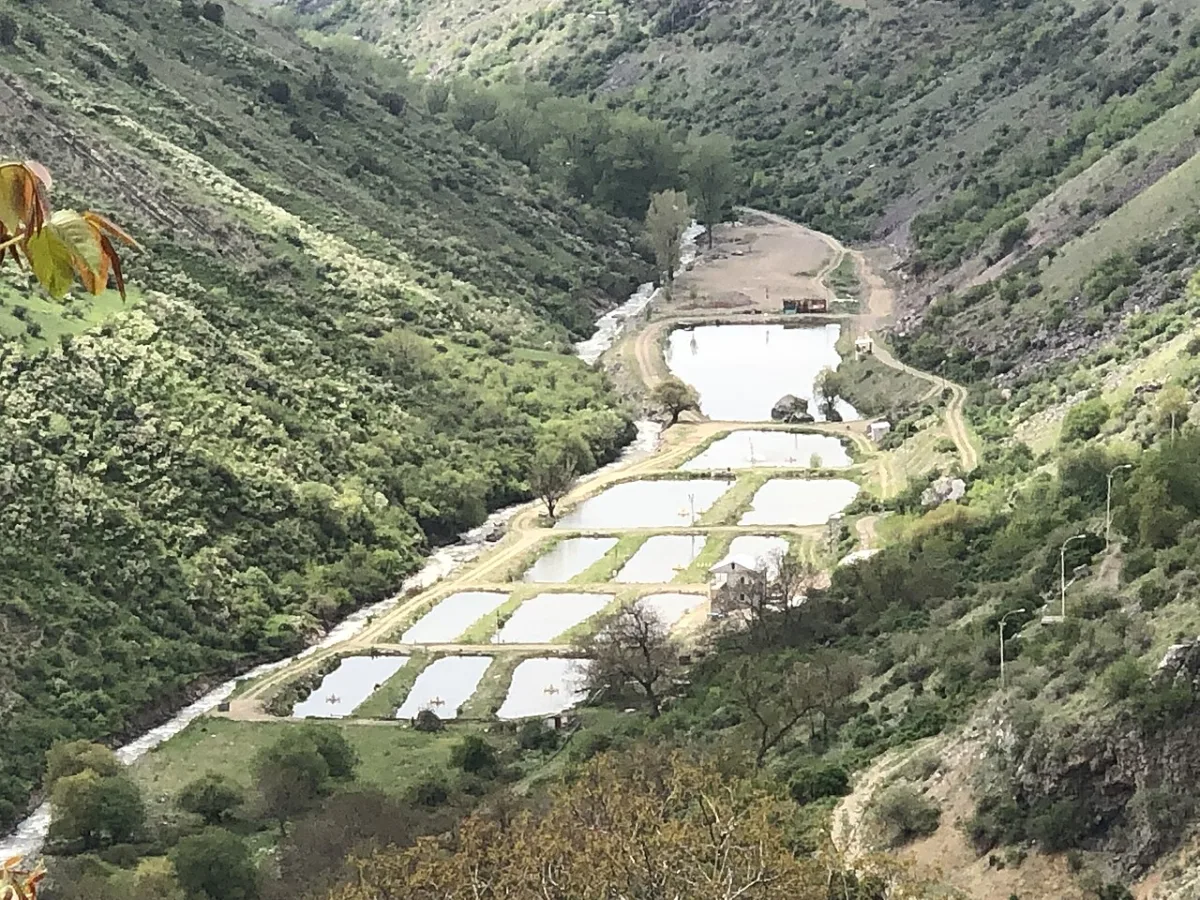
To raise 10 tons of carp, a water body with an area of at least 5 hectares is required. Large ponds are more resistant to fluctuations in hydrochemical and temperature regimes, whereas small water bodies heat up and cool down quickly, causing stress to the fish. A mandatory technological requirement for a carp pond is the possibility of complete drainage for the autumn harvest — by building a dam on riverine water bodies or by performing high-quality cleaning of the pond bed.
- Selection of a suitable water body and conclusion of a usage agreement with the local administration under obligations for its improvement.
- Purchase of the first batch of fry for stocking and forming one's own herd.
- Development of the coastal territory and creation of infrastructure for recreational fishing and family leisure.
Feed Production Technology and Fattening Economics
Feeding is the main expense item of a fish farm, accounting for 50 to 60% of production costs. Raising fish exclusively on a natural forage base yields no more than 120 kg/hectare and leads to a loss of time. Intensive technology requires the use of specialized compound feeds with a crude protein content of at least 26–28% and fat content of 5–7%. Such feeds are 20% more expensive than standard ones but ensure a rapid gain of market weight.
Raising trout requires the mandatory involvement of a qualified fish farmer. The crop is extremely sensitive to the composition of the diet: when using cheap compound feeds, the fish meat remains white. To obtain the characteristic red color, it is necessary to introduce special feed additives — carotenoids derived from krill — into the diet.
The choice of fish to be raised directly determines the method of its keeping and the requirements for the forage base. Carp are raised directly in open ponds. Trout are kept in special cages made of nylon netting measuring 3×3 meters and 5 meters deep, or in closed pools.
| Parameter | Carp | Trout |
|---|---|---|
| Housing conditions | Open ponds | Cages (3×3×5 m) or pools |
| Average feed price | 7–8 rubles/kg | 0.7–1 euro/kg |
| Feed consumption per 1 kg of weight gain | 3.5–4 kg | about 1 kg |
| Feed costs per 1 kg of weight gain | 28 rubles | A little over 0.7–1 euro |
| Cost of final product | Base price | 3 times more expensive than carp |
Overfeeding fish is strictly prohibited: uneaten feed residues decompose and disrupt the hydrochemical regime of the water body, as a result of which the fish stop growing. The daily ration for carp is calculated at 1.5–3% of total biomass and is strictly regulated depending on the water temperature — in cold water metabolism slows down, and the feeding rate is reduced.
The main risk in the fish business is fish diseases and epidemics, such as aeromoniasis (reddening), intestinal parasites, and branchiomycosis. The health of the entire population must be constantly monitored, for which control harvesting is carried out every 10 days, and weight gain, the state of internal organs, and gills are tracked, with various treatment methods applied accordingly.
Medicinal feeds, for example, those with antibiotics or immune-boosting drugs, are added to the diet. If you miss the onset of a disease, you can lose the entire stock and go bankrupt in a very short time.
The larger the fish, the higher its demand in the market. For carp, the optimal weight is 1.2–1.7 kg; for trout, it is from 800 g to 1 kg. To reach such weight, carp grows for 2–3 years on natural feed. During the first summer, it gains up to 25 g, during the second — up to 200 g, and during the third — up to a kilogram.
The growing cycle for trout is 2 years. However, trout can also be sold after a year and a half when it reaches a weight of 300 grams. But such fish is in demand only among restaurateurs — it is the 300-gram fish, 30-35 cm in length, that fits neatly and beautifully across a plate.
The carp growing cycle ends in autumn, when all farms drain (or fish out) their ponds. This is precisely why carp appears in all shops and markets in autumn, and prices for it drop. At this point, the business is on the verge of profitability. However, you can act smarter if the appropriate opportunities are available. For example, keep the carp until the New Year or even until March, gradually putting it up for sale when prices stabilize.
In this case, it is necessary to account for 20% in losses:
- 10% – due to the fish losing weight;
- 10% – due to mortality.
Surplus fish should be processed: smoked, used for aspic dishes, and turned into other food products.
Nursery plant trout material costs depend on the weight of the fry – from 1 to 50 g. The smaller the trout, the more expensive it is, since ultimately more adult fish will be obtained from a kilogram of lightweight fry. About 10% should be set aside for losses. The remaining fry will turn into 800-gram fish in 2.5 years, which can be sold at a good price.
It is most profitable to buy fertilized eggs and incubate them yourself. For example, according to experts, eggs can be ordered from Adler, but if the farm is a start-up and lacks relevant experience, it is better not to take risks and buy ready-made fry. Annual nursery plant carp material costs significantly less per kilogram. The mass of the fish is from 14 g.
The biggest disadvantage of fish farms is the long payback period for investments. But there is a way to ensure that investments return much sooner. To do this, you can purchase fish weighing up to 200 g, which will cost more, but the enterprise will enter the market one season earlier, as carp can be fattened to a marketable kilogram in one season.
It is very profitable to finish-rear trout in winter at thermal power plants (GRES), where there is a most optimal temperature regime in the cooling reservoirs. It is brought there in the autumn and caught in March–April. During this time, the fish's mass increases two to three times. When fishing out carp ponds, other fish are also caught along with it. These can also be sold.
The health and growth of fish are determined by two main factors – water temperature and its oxygen saturation. In addition, the state of the entire biological system of the reservoir, its acidity (pH), and much more are important. Only specialists can determine whether a pond is suitable for fish farming. Therefore, before stocking a reservoir, experts advise creating a "fish-farming and biological assessment." It is advisable to conduct this survey several times a year – in summer, winter, spring, and autumn.
| Fish | Optimal water temperature |
| Trout | 16–18 ºС |
| Carp | 24–25 ºС |
If a trout pond warms up to 24 ºС, the fish will be on the verge of dying and will stop feeding. When breeding carp, everything is much simpler. The main thing is that the pond is not polluted with petroleum products, manure runoff, and decomposing organic matter, and it is desirable that it warms up well. Its depth can be shallow – up to 1.5–1.8 m. The natural feed base develops most actively at this depth.
If opportunities exist – cage lines, connections with retailers, and fish-transport vehicles – you can purchase fish (trout, carp, sturgeon) for over-wintering from other regions where it is cheaper. True, for this, it is necessary to own your own vehicles for transporting fish, which can cost from 100 thousand euros. Although you can equip a vehicle yourself:
- install a tank or barrels on a car trailer;
- equip a system for oxygen supply.
Naturally, a good owner will take care not only of raising the fish but also of ensuring that local fishermen can fish at the reservoir, and there are quite a few of them. Paid fishing provides 5–6% of the turnover of a large enterprise. Small enterprises can base their business entirely on organizing the fishing process. In this case, expenses for fishing out are eliminated; the main thing is to set prices lower than market prices.
It is also necessary to analyze the location of the reservoir to know which farms are neighbors in order to competently organize the receipt of additional income for the enterprise's budget. For example, there might be a hunting farm nearby that can help with clientele, since after active recreation, people want to switch to quieter entertainment. In such a case, it is advisable to install several hunting lodges, set a price list, and issue permits for those who want to relax and fish.
Fish farming, according to expert specialists, is even more difficult than raising poultry or livestock, because it involves a closed ecosystem, the conditions of which must be constantly regulated. One needs to monitor many components:
- amount of feed;
- vegetation;
- acidity level of the water body, which is regulated by the application of quicklime.
In addition, any fish farm requires an organized, strict security system, especially if the farm is located near a large city. This requires specially trained personnel, as well as means of communication, vehicles, dogs, and a video surveillance and tracking system. Otherwise, theft is inevitable, and all the work will go to waste.
Many fish farms are currently experiencing problems with sales. There are two reasons for this. Firstly, there is quite strong competition. Secondly, compared to the past, the demand for live fish in Russia has dropped noticeably. This product has become unaffordable for many buyers, which is clearly visible in the example of the country's wealthiest city – Moscow.
| Period | Indicator |
| Early 90s (August–October) | 10 thousand tons |
| Current year (Moscow region fish farms) | 3.5 thousand tons |
| Imports from southern regions | 3 thousand tons |
Another problem for fish breeders is the complex relationship with retailers, especially chain supermarkets. As is known, almost all of them charge for placing products on their shelves. Also, many retailers do not want to deal with live fish. To keep it, one needs to set up an aquarium, clean it, and change the water. And the volume of live fish sales is not that large. For example, in one large shopping center, like "Auchan" or "Metro", one can sell no more than 30–70 kg of trout or 200–300 kg of carp per day.
It is for these reasons that wholesalers do not deal with live fish. Stores also do not want to take on such a burden. As a result, fish farms themselves have to deliver all the products to retail outlets. To do this, they have to maintain their own fleet of vehicles.
Sales are also complicated by the fact that, for example, aquariums for selling fish are present in no more than 10% of grocery stores. Building separate aquariums at the expense of fish farms is expensive. A good aquarium with an oxygen supply system, water purification, and an accompanying refrigerator (the latter is especially necessary for trout) costs about $6–10 thousand. The most primitive plastic tank with a water treatment system costs 17–18 thousand rubles.
Furthermore, now all stores without exception pay for live fish only after it has been sold. The payment deferral period averages from 7 to 30 days. As a result, all fish farms always have accounts payable.
It is quite difficult to estimate the capacity of the fish market. Based on medical standards, it could increase at least threefold annually, since currently only 9 out of 27 kg per capita per year are consumed. Throughout the world, the main consumer of fish and seafood is the middle class. Today in Russia, it makes up 15–20% of the population, while in the West it is 50–70%. It should be noted that in Europe the price of live fish is two to three times lower, which is due to low transportation costs for feed delivery.
Russia, which has unique opportunities for the development of fish farming: 20 million hectares of lakes, 4.5 million hectares of reservoirs, more than 150 thousand hectares of ponds, over 300 thousand m2 of fish cages, – currently imports half of all fish products. The industry has "declined" in all respects, including the cultivation of pond fish. For example, in the late 80s, its production alone amounted to more than 180 thousand tons, but today it has decreased to 67 thousand tons per year.
Today, a whole complex of investment measures is being implemented in the Russian fishing industry, aimed at strengthening the material, technical, and raw material base, and the widespread introduction of innovative developments. The main goal is to create an efficient, competitive fishing industry, and all the possibilities for this exist.
The fishing industry is one of the main sources of food for the country's residents. Enterprises in the industry produce more than 2,000 items of fish products. This industry is also a supplier of products for agriculture.
The assortment of fish products is expanding annually. Along with traditional ones (salted, smoked, dried, canned), new types of products are appearing – semi-preserved goods, in thermal packaging, under vacuum, as well as with various sauces and marinades.
When engaging in fish breeding, one may encounter risks, which consist of the following:
- a consistently low level of consumption (below the standard), requiring;
- a high level of price increases for fry and fish feed;
It can be said that such a business as creating a fish farm is profitable, high-risk, and promising. One of the main conditions for its functioning is the availability of a suitable water body for fish breeding, a product sales system, and a developed infrastructure for serving the population, which is related to objective economic and financial events.
Establishing a fish farming business will require dedication, strong willpower, knowledge, and tactical maneuvering when obtaining licenses and other documentation from the project manager, as well as an awareness that this type of business requires thorough preparation and significant capital investment.
If the project manager understands all of this and takes responsibility for creating an enterprise of such scale and nature, then their intellectual, financial, and personal investments will generate profit, and the enterprise will fulfill its task, which is necessary for the economy and society, for decades to come.
Read next
Fish farming For students
Diagnostics and prevention of infectious and fungal diseases of commercial fish
Fish farming For students
Rationing and calculation of daily feeding rates for carp using compound feed
Fish farming For students