
The effect of phosphorus fertilizer on soil properties and water bodies
5 min read
Phosphorus behavior in soil and risks to water bodies
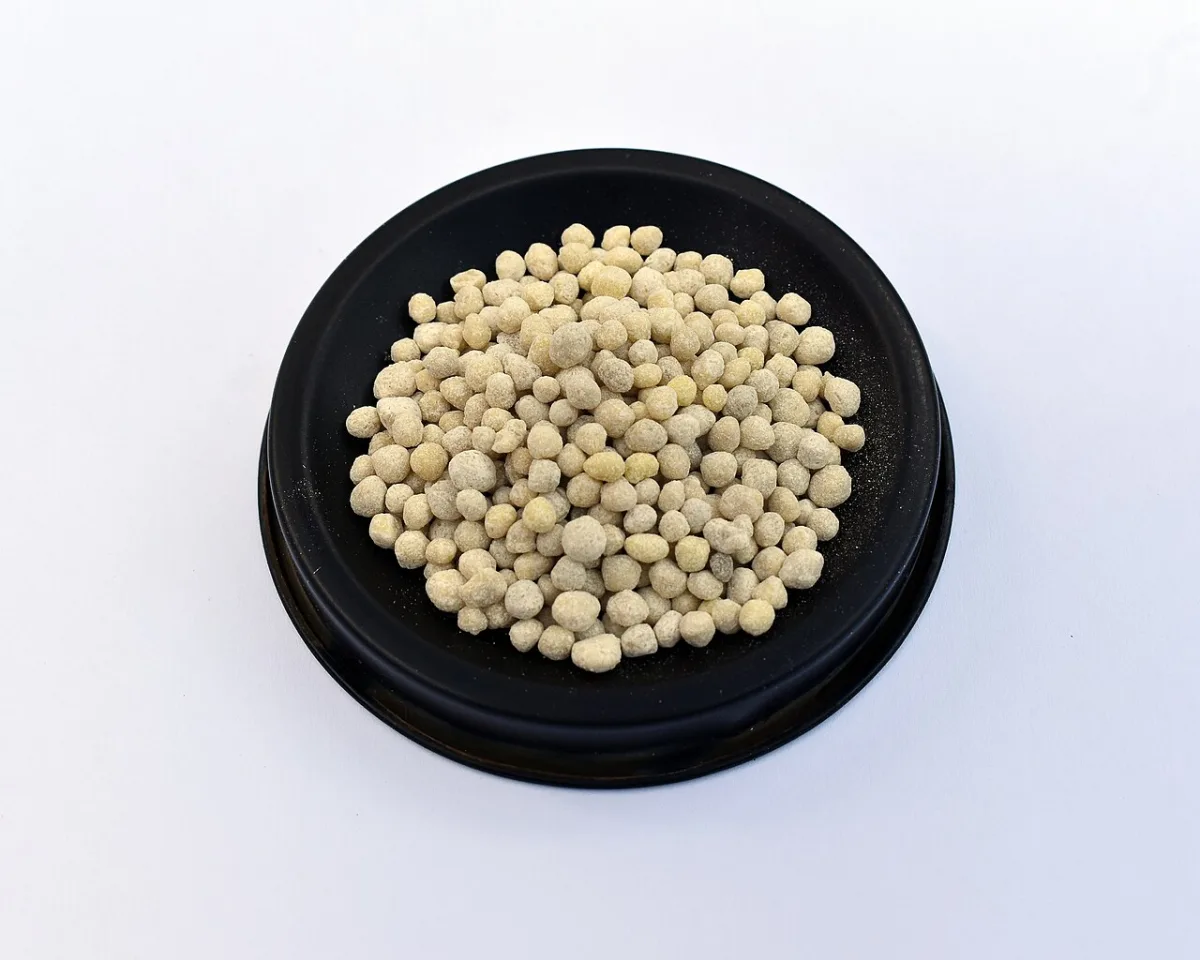
Phosphorus from mineral fertilizers is firmly fixed at the site of application by soil colloids and practically does not leach deep into the profile. When P35–100 is applied, the content of the mobile form of the element in the soil increases by 1 mg per 100 g. Vertical movement of phosphorus is negligible, so even surface distribution of fertilizer does not lead to deep leaching.
- Movement rate in soil — 0.2–0.5 mm per year
- Losses with drainage water — 0.05–0.5 kg/ha
- Leaching during surface application — up to 1% of the application rate
- Accumulation of residual phosphates — on average 22.6%
Despite low mobility in the soil solution, phosphorus can pollute the environment through water and wind erosion. It is washed off fields along with solid soil particles via runoff and drainage water, causing eutrophication of water bodies. This process occurs even more actively than under the influence of nitrogen. Rapid algae development and water blooming begin when the phosphorus concentration exceeds 0.1 mg/L.
Heavy metal mobility and ballast impurities
Systematic use of simple and double superphosphate alters the chemical balance of the soil. Residues of inorganic acids, fluorine, and phosphate ions dissolve poorly accessible compounds, sharply increasing the mobility of heavy metals. As a result, plants begin to absorb manganese, zinc, lead, and other elements more actively. The presence of polyphosphates in water shifts the dynamic equilibrium, increasing the solubility of phosphorus-containing compounds and preventing their natural sedimentation.
| Element | Without fertilizers (control), mg/kg | Simple superphosphate, mg/kg | Double superphosphate, mg/kg |
|---|---|---|---|
| Calcium | 150000 | 80000 | 81000 |
| Manganese | 300 | 670 | 760 |
| Iron | 17000 | 3800 | 3900 |
| Zinc | 83 | 220 | 320 |
| Barium | 22 | 24 | 30 |
| Vanadium | 43 | 76 | 64 |
| Lead | 37 | 51 | 66 |
| Copper | 16 | 28 | 20 |
Together with phosphorus fertilizers, impurities contained in the raw materials enter the soil. Potential sources of pollution include radioactive and toxic elements, the amounts of which must be strictly controlled. Superphosphates contain the following ballast elements:
- arsenic;
- cadmium;
- lead;
- fluorine;
- uranium;
- radium;
- selenium;
- thorium;
- strontium.
| Element | Content, mg/kg | Element | Content, mg/kg |
|---|---|---|---|
| Arsenic | 1.2–2.2 | Lead | 7–92 |
| Cadmium | 50–170 | Nickel | 7–32 |
| Chromium | 66–243 | Selenium | 0–4.5 |
| Cobalt | 0–9 | Vanadium | 20–180 |
| Copper | 4–79 | Zinc | 50–1430 |
Fluorine poses a particular danger: 1 ton of superphosphate contains about 15 kg of this element in a soluble form. Accumulating in plants, fluorine inhibits respiration, photosynthesis, and shoot growth. Consumers of the products are also at risk. Excess phosphorus disrupts the Ca:P balance in the human body (the norm is 1:1–1.5), and an increased fluorine content in drinking water destroys tooth enamel and causes skeletal fluorosis.
The maximum permissible concentration (MPC) of fluorine in soil is 3 mg/kg. If the concentration of this element in drinking water is 2 mg/L, it damages human tooth enamel. In addition, phosphorus in the soil enters into antagonism with microelements, firmly binding zinc, copper, and cobalt into compounds unavailable to plants.
Potassium fertilizers also require careful handling, although potassium is quickly absorbed by soil colloids and does not have a pronounced negative impact on the environment.
- potassium-sodium and sulfate-chloride salinization and acidification of soil;
- disruption of the physiological balance of the soil solution;
- imbalance of elements such as calcium, magnesium, sodium, and boron.
Improper use of concentrated potassium fertilizers can cause sodium-magnesium-calcium starvation of plants, leaching of calcium, and soil degradation. Furthermore, the application of potassium fertilizers can indirectly affect the nitrification process by altering ammonium absorption by the soil.
Fertilizers are the main source of potassium pollution in water bodies. The losses of this element with drainage water amount to 10–20 kg/ha, and the average leaching of potassium from the soil is 20–25 kg/ha. 1042
Potassium does not cause eutrophication of water bodies. However, almost all potassium fertilizers used in agriculture are chlorine-containing, and the presence of large amounts of chlorine in the soil is undesirable due to the possible formation of organochlorine compounds. Along with the application of potassium chloride at a rate of K45–60, 30–35 kg/ha of chlorine enters the soil. According to many years of experience by D.N. Pryanishnikov, the leaching value of chlorine introduced with potassium chloride at an annual application rate of this fertilizer of 100 kg/ha of active ingredient is 60 kg/ha. When 60 kg/ha of active ingredient of potassium chloride is applied to the soil, plants absorb approximately 10 kg/ha of chlorine, and the rest is leached into drainage water. At the same time, the MPC of this element in water supply areas is set at 0.25–0.5 mg/L. In addition, excessive application of potassium fertilizers disturbs the balance and B in the soil, which, in turn, can negatively affect the plant nutrition of rice with these elements.
Read next
Nutrition and fertilizers For gardeners
Calculation of dosage and application specifics for mineral fertilizers
Agrochemistry For students
Production technology and application features of ammophos in agriculture
Agrochemistry For students