Material · 15 articles

Wood

Wood, as the most important structural unit of perennial plantations, requires a deep understanding of biological processes and the physiological characteristics of plant development. For an agronomist and a practicing gardener, knowledge of the anatomical structure of branches and stems, as well as the mechanisms of root system formation, is the foundation for making professional decisions. Whether it is caring for an orchard, working with vineyards, or designing a greenhouse, competent handling of woody tissues directly affects crop productivity, their winter hardiness, and longevity, allowing for the minimization of plant injury during agrotechnical operations.

This collection gathers materials covering key aspects of working with woody plants: from fundamental tissue biology to applied methods of canopy formation and improving the winter hardiness of cultivars. Readers will find practical recommendations on pruning and top-working trees, study methods for regulating fruiting by changing the angle of branch inclination, and master the principles of greenhouse design. In addition, the articles cover issues of protecting forest ecosystems and industrial plantations from stem pests, which ensures a comprehensive approach to managing plant resources in various climatic zones.

Pruning and training For gardeners

Pruning and canopy formation of fruit-bearing trees in the orchard

Regular pruning of fruit-bearing trees allows maintaining an optimal canopy structure and ensuring a stable harvest. The article describes methods of controlling overcrowding, rules for branch subordination, and the technology of cyclic pruning for the formation of fruiting structures

Pruning and training For agronomists

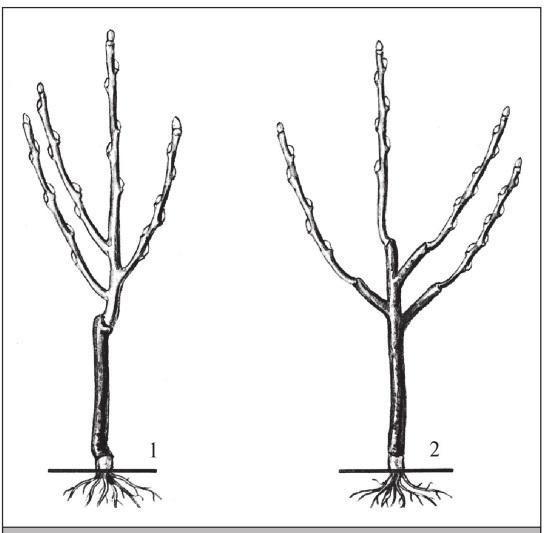
Technology of top-grafting fruit trees using framework builders

Top-grafting onto winter-hardy framework builders allows to increase tree winter hardiness and accelerate the first harvest. The article describes the rules for rootstock preparation, scion selection, and the technique for making quality cuts

Greenhouses and covers For gardeners

Features of glass structures and aluminum profiles for winter gardens

The article examines the technical characteristics of sun-protective glass and the key properties of aluminum profiles. You will learn how to properly select glazing and why warm profiles with a thermal barrier are the basis of modern winter gardens

Pruning and training For agronomists

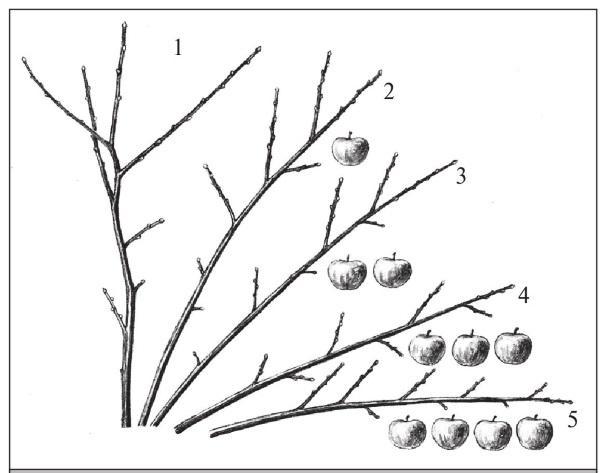
Regulation of tree growth and fruiting by changing the branch angle

Branch bending is an effective method in intensive horticulture that replaces severe pruning. The article describes the physiological impact of tilting on bud development and suggests proven ways of securing branches to control growth and accelerate fruiting

Pruning and training For students

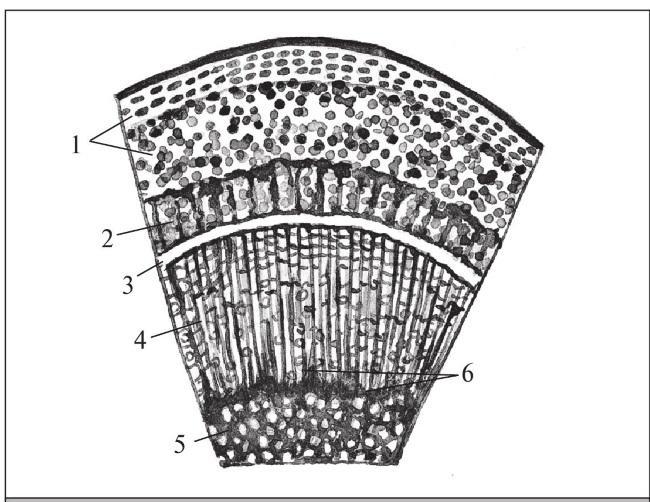
Anatomical structure of fruit tree branches and tissue functions

Understanding the anatomical structure of branches allows an agronomist to perform pruning and grafting with minimal injury to the plant. The article describes in detail the functions of shoot tissues and methods for assessing branch viability by the color of the cut