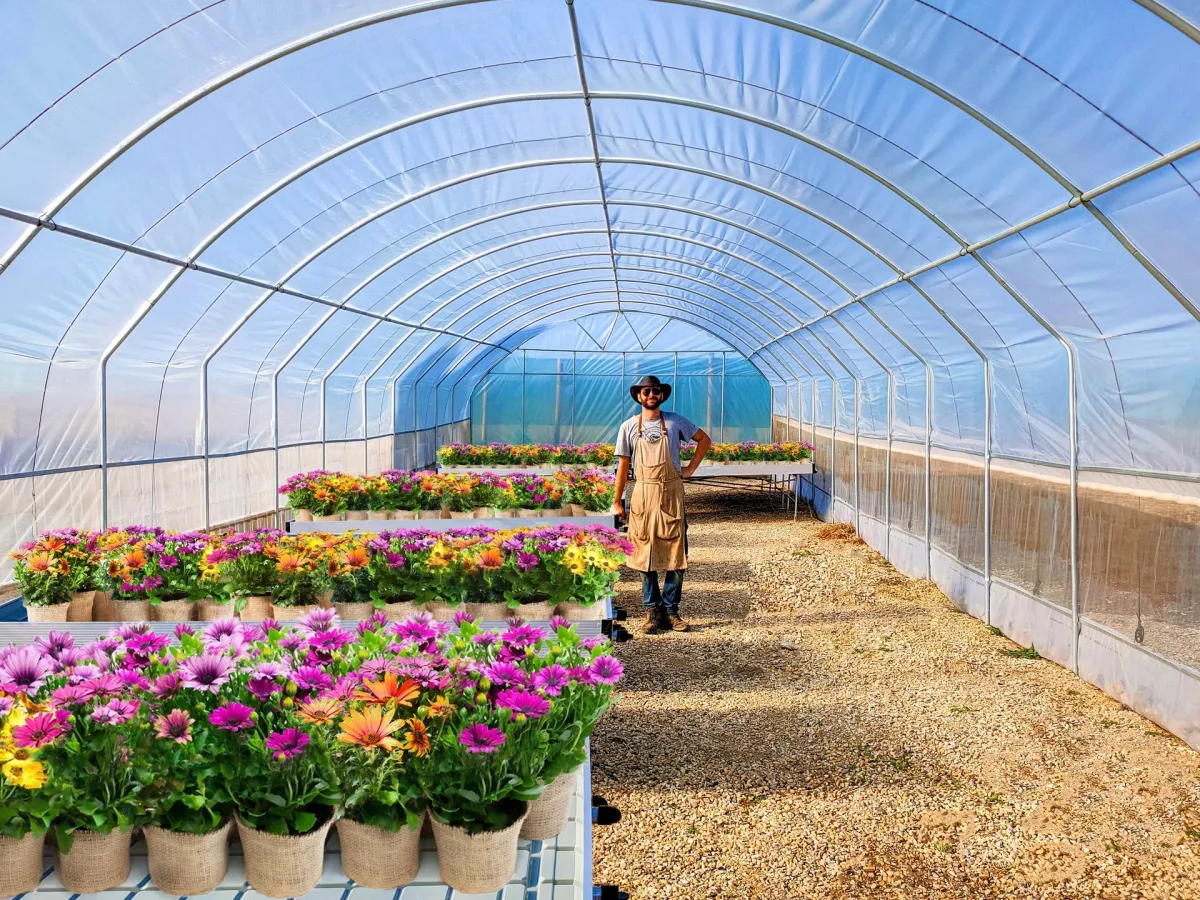
Seed germination is a fundamental biological process that determines the productivity of agricultural and ornamental crops. The success of the embryo's transition to active growth determines not only field emergence, but also the further development of the root system, the formation of the aerial part, and the plant resistance to stress factors. For an agronomist and a practicing gardener, understanding the mechanisms that trigger this process is a prerequisite for obtaining a high-quality harvest and healthy planting material.
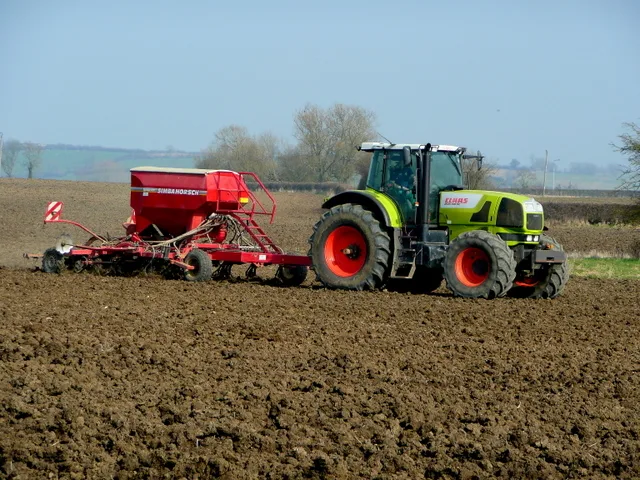
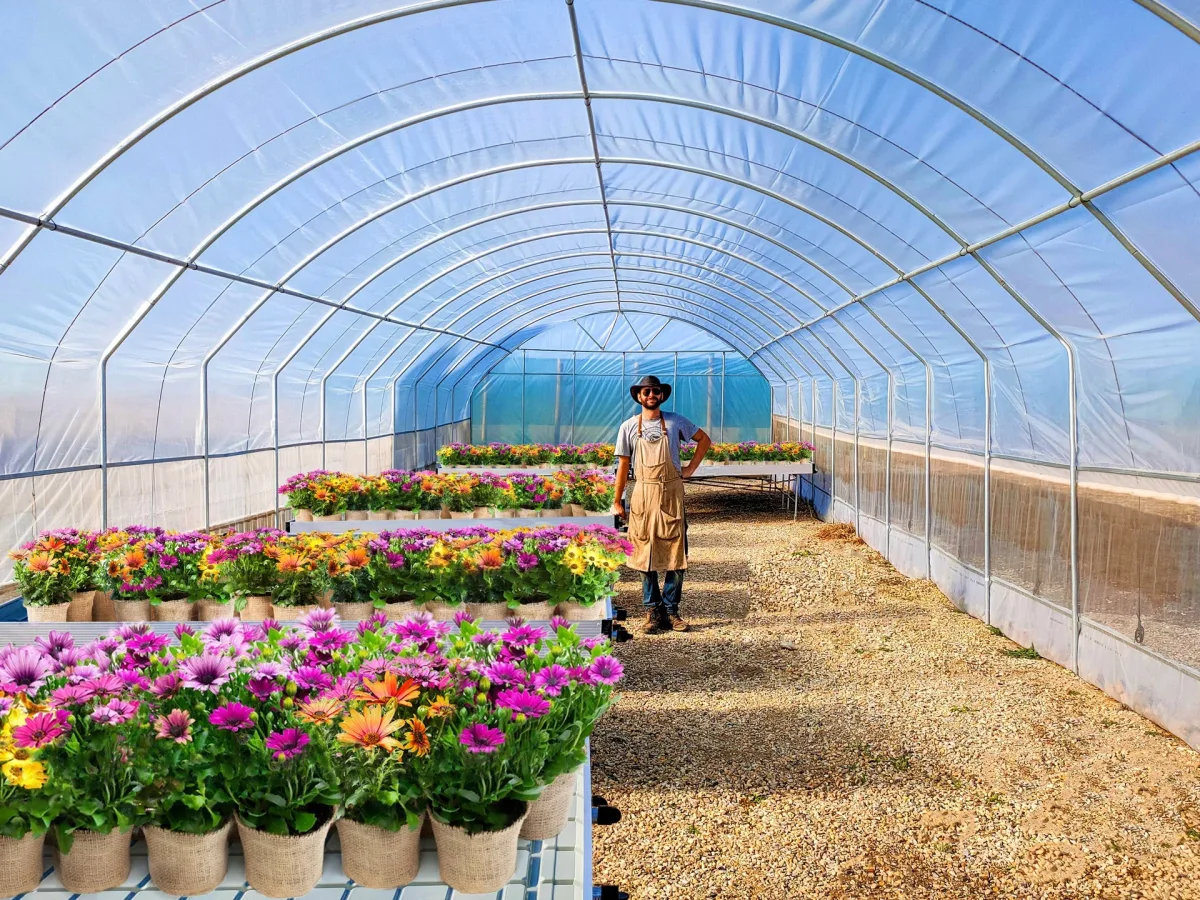
This collection combines materials that reveal key aspects of managing plant development at early stages. The reader will find here information on pre-sowing tillage technologies for moisture conservation, methods and application rates of sowing, as well as the role of phytohormones and ultramicroelements in seedling metabolism. In addition, the articles cover issues of preparing transplants in a greenhouse, classification of grain legumes by germination type, and methods of controlling diseases that arise from developmental disorders. This knowledge allows for a comprehensive approach to crop cultivation, from selecting seed stock to ensuring optimal conditions for their formation.