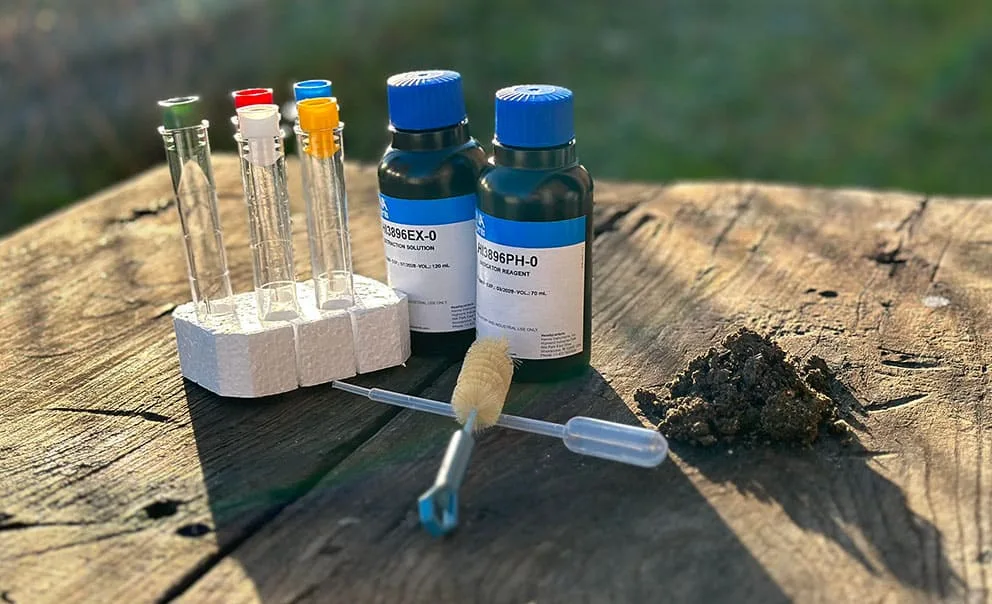
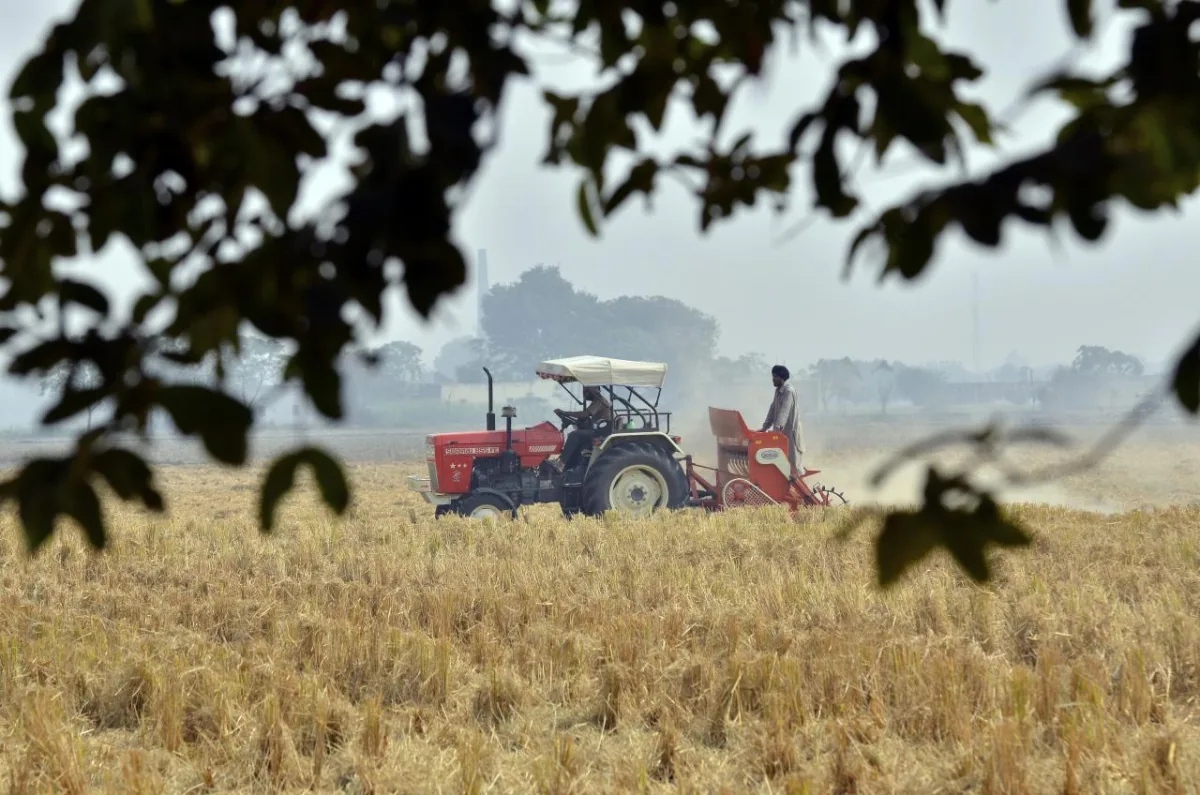
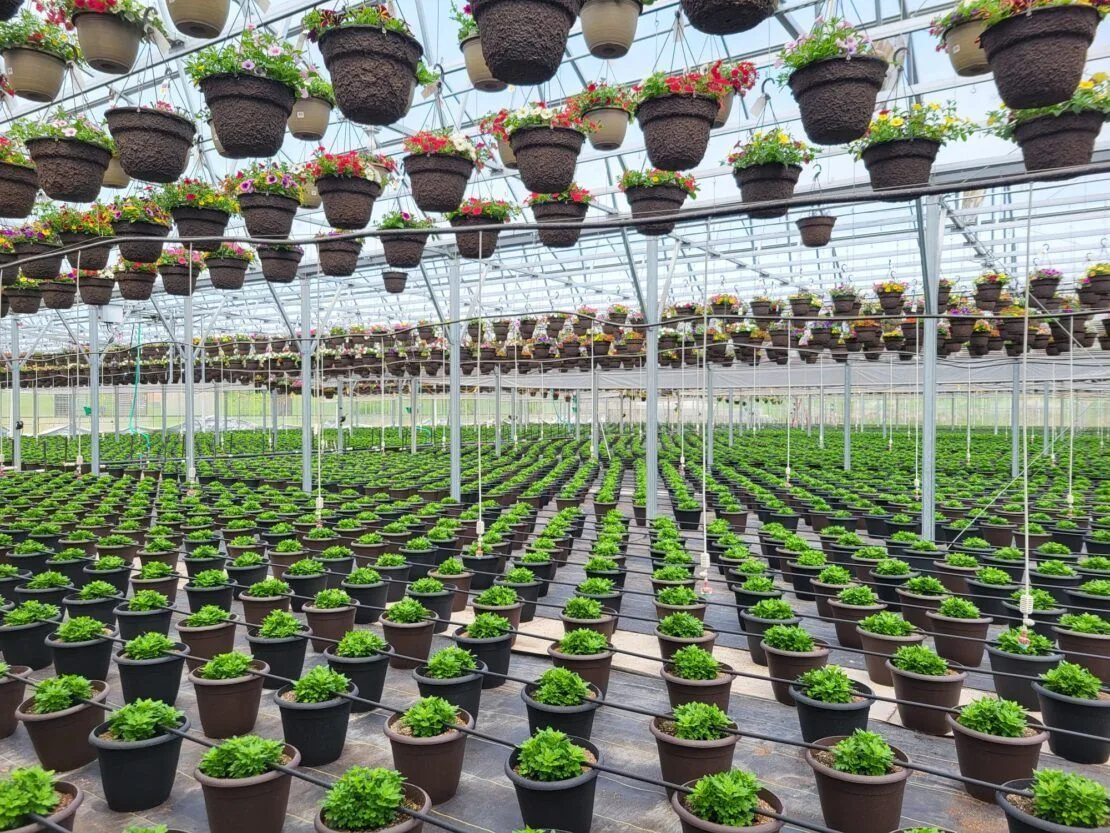
Microorganisms are the invisible foundation of an agrocenosis, ensuring the cycle of substances and the formation of soil fertility. It is the living phase of the soil cover that determines the processes of transformation of organic residues, the accumulation of humus, and the availability of mineral nutrients for agricultural crops. Understanding the principles of soil biological activity and the mechanisms of interaction between microbiota and the external environment allows agronomists and gardeners to more effectively manage plant development and the productivity of their land.
This collection gathers materials that reveal the role of microorganisms in soil formation and plant nutrition. The reader will learn about methods for assessing soil biological activity and the influence of the physical and chemical properties of the environment—such as humidity, light intensity, and gas exchange—on the development of microbiota. Practical aspects of applying bacterial fertilizers, the use of mulching to maintain beneficial microflora, and the principles of protecting crops from phytopathogenic bacteria are also discussed. The materials systematize current knowledge about the processes occurring in a biogeocenosis, helping to gain a deeper understanding of the patterns of soil ecosystem functioning.