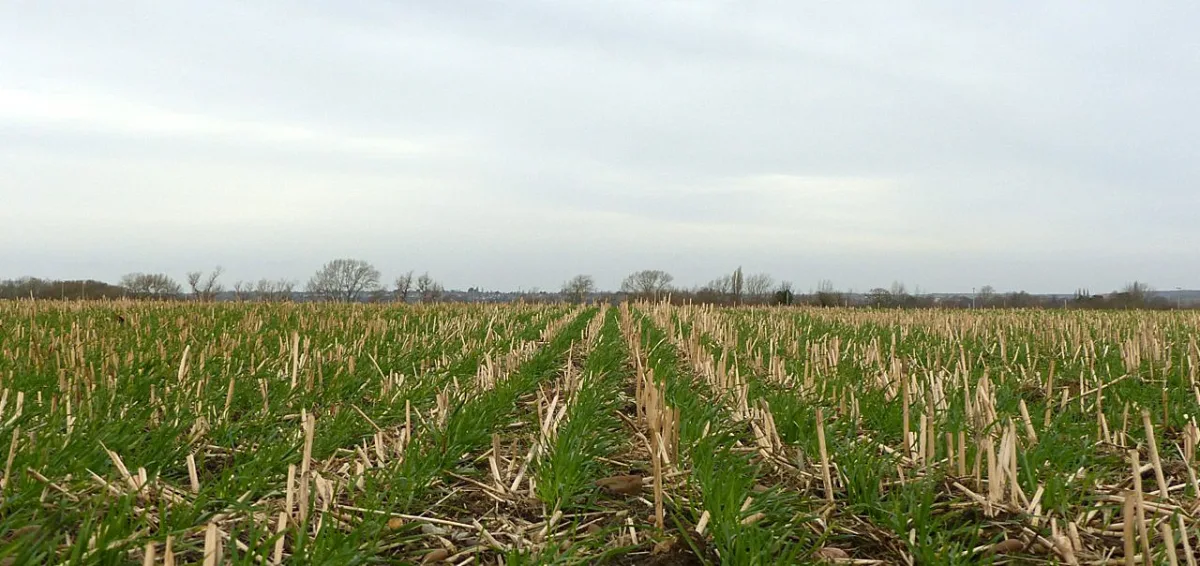
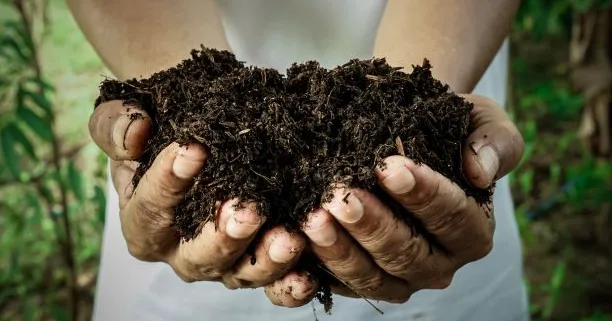
Soil is not just an inert substrate, but a complex dynamic system in which mineral particles, moisture, and gases interact with organic components. Understanding the principles of soil fertility formation and the transformation of organic matter into humus is the foundation for professional land resource management. Studying these processes helps agronomists and gardeners perceive the soil as a living organism, the state of which directly determines crop productivity and the stability of agroecosystems.
In this selection, we examine the soil formation process through the lens of fundamental scientific concepts. Readers will find materials on the role of living matter in the evolution of the biosphere according to the teachings of V. I. Vernadsky, learn about the mechanisms of humus formation, and the influence of organic residues on soil properties. In addition, the articles present a classification of soils according to their particle-size distribution. This theoretical basis will allow for a deeper understanding of the physical and chemical foundations of soil fertility and the skillful use of natural mechanisms to improve the quality of land on a plot.