Practice · 33 articles

Feeding

Proper feeding organization is the foundation of productivity for livestock animals, poultry, and fish farming objects. The efficiency of a livestock farm directly depends on the balance of nutrients, the quality of feed used, and the consideration of the biological needs of individuals during different periods of development. A scientific approach to diet rationing allows not only for maintaining herd health and high growth rates but also for optimizing economic costs by reducing the cost of production.

This collection gathers materials covering key aspects of modern agronomy in the field of nutrition. Readers will find here information on the evolution and principles of diet rationing, methods for formulating and optimizing feed mixtures for pigs, cattle, and poultry, as well as technological features of working with compound feeds. Separate articles are devoted to the specifics of carp farming and methods of aquaculture intensification. The materials include practical recommendations on the use of grain feeds, the calculation of amino acid composition, and the organization of feeding depending on housing conditions and the age of the animals, which will be useful for both specialists at industrial enterprises and for farms.

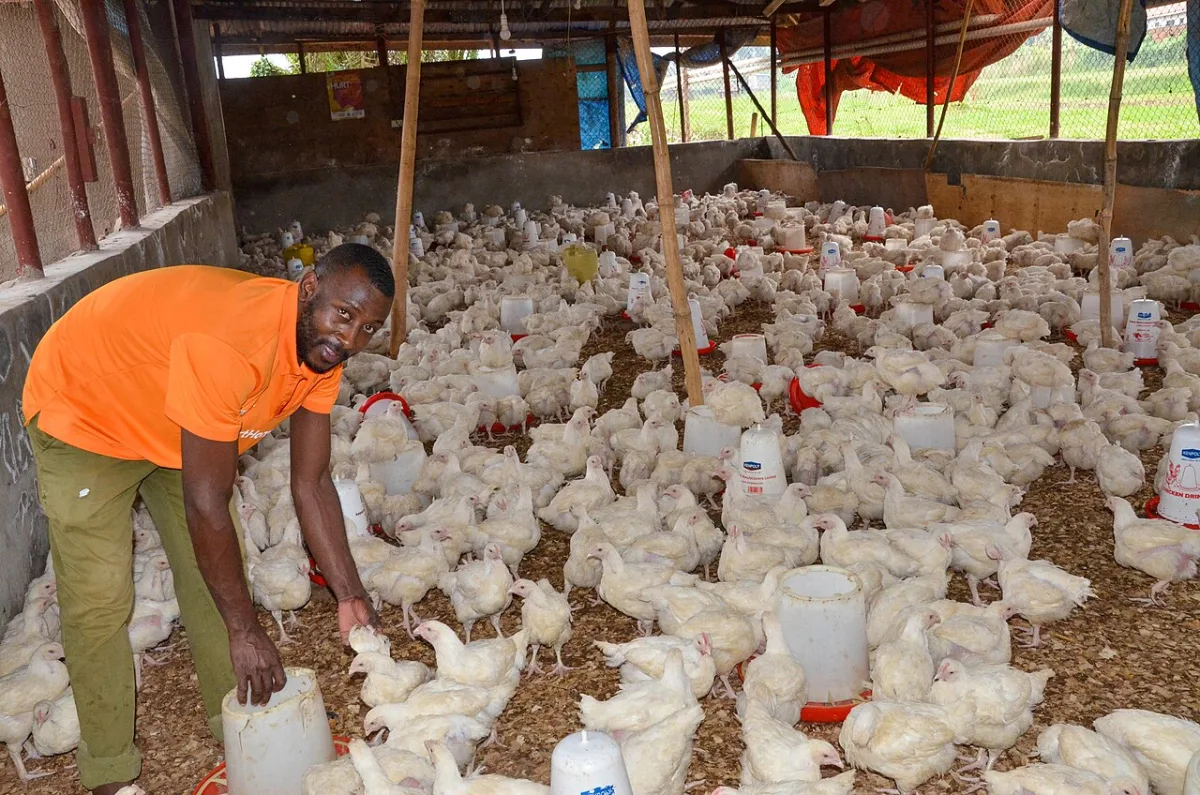
Poultry For agronomists

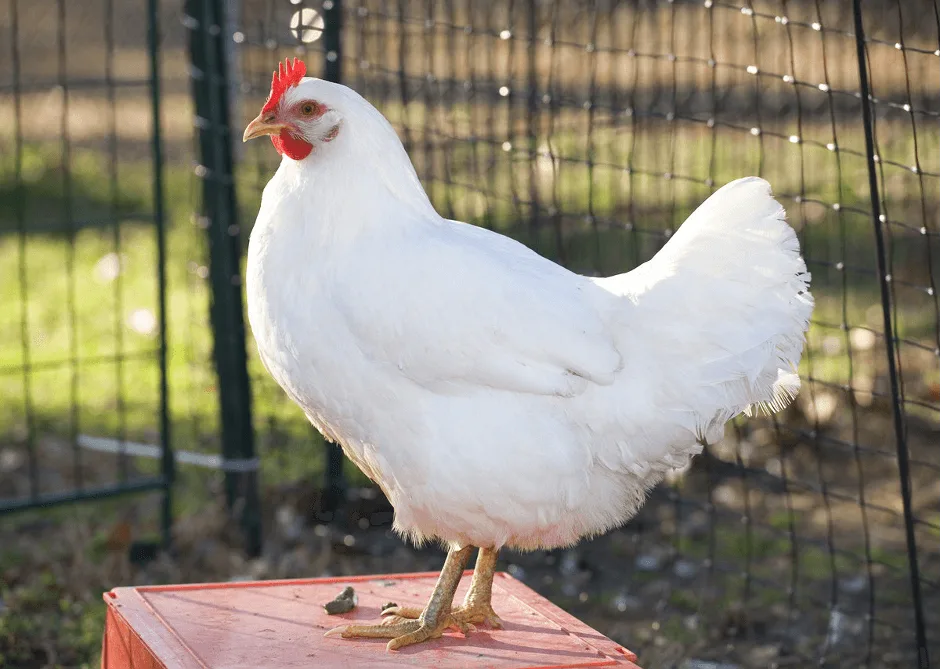
Nutrient content in feed for poultry

The article provides a detailed table of the nutritional value of the main types of feed used in poultry farming. The data include indicators of metabolizable energy, crude protein, fat, fiber, as well as the content of calcium, phosphorus, and sodium per 100 grams of product

Fish farming For students

Technological processes and breeding methods in modern fish farming

The article presents an overview of the key aspects of fish farming, including the systematics of the bred objects, breeding methods, and production indicators for the formation of broodstocks. The material reveals the foundations of technological processes aimed at increasing the productivity of the industry

Poultry For agronomists

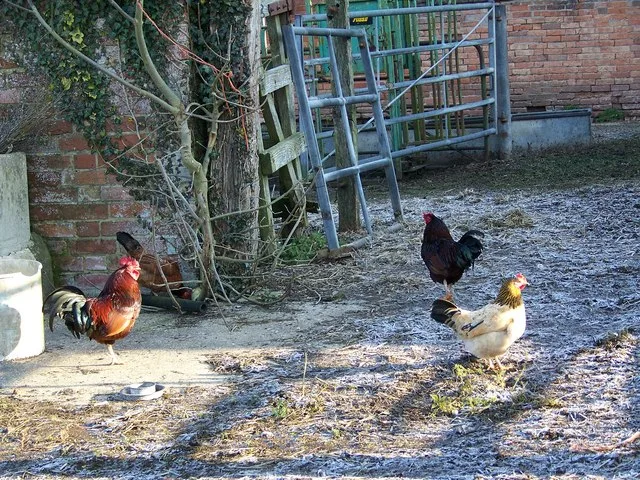
Main meat breeds and breed groups of ducks and geese

The article provides an overview of key meat breeds of ducks and geese, their exterior features, productivity indicators, and potential for use in industrial poultry farming. The material will help to familiarize with the characteristics of the most common breed groups in farms

Poultry For agronomists

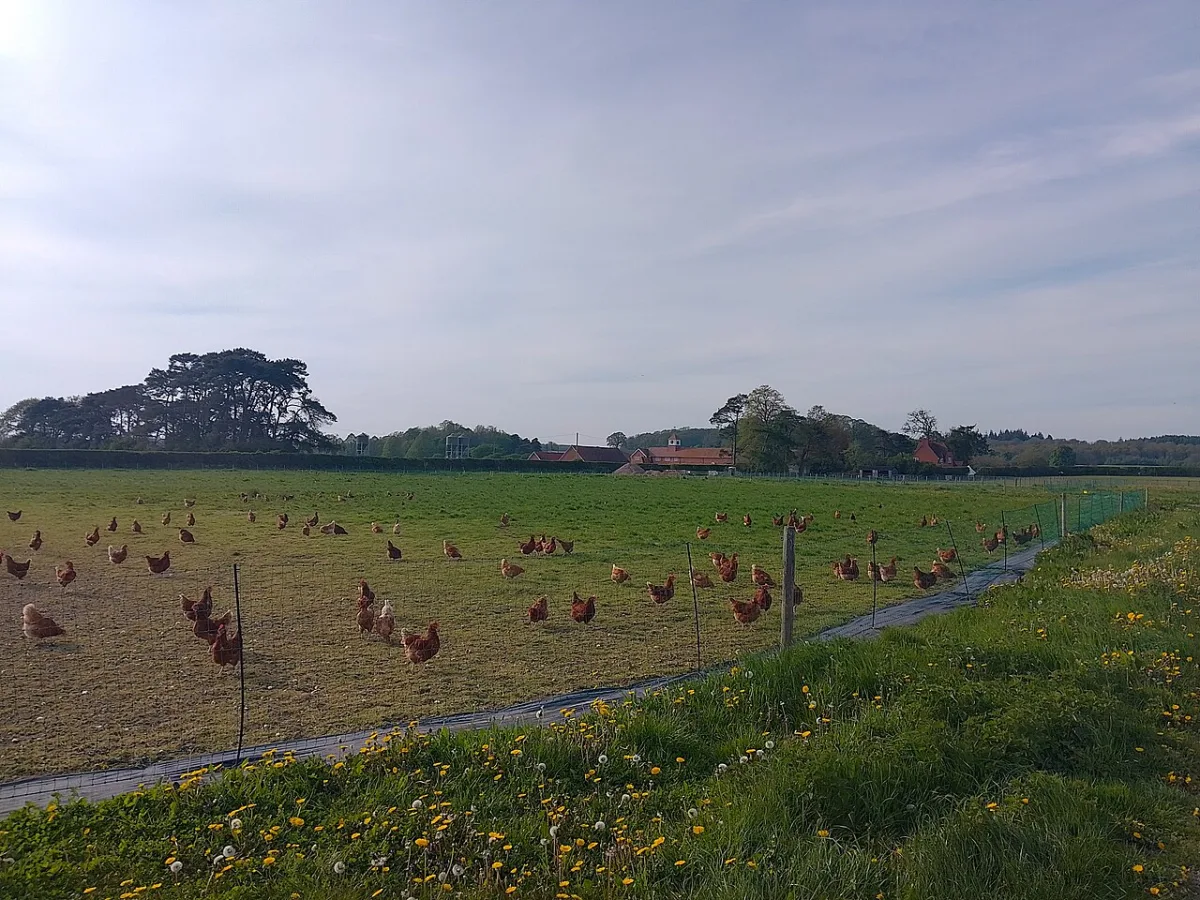
Growth dynamics and meat productivity of young poultry

Planning of slaughter dates requires a deep understanding of the biological growth patterns of poultry. The article analyzes the body weight gain indicators in different species and key criteria of selective breeding to increase the productivity of the flock