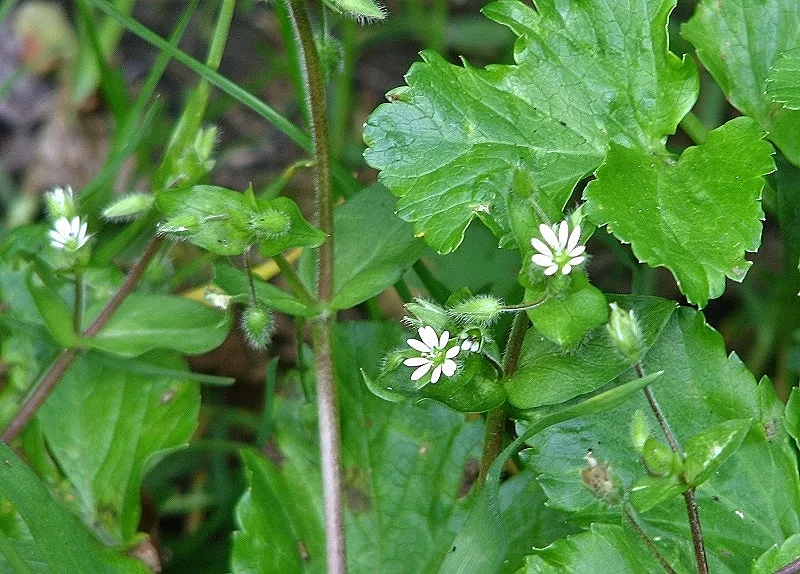
Cleavers (Galium aparine) is one of the most common and harmful weeds in agricultural production. Due to its morphology and biological characteristics, this plant is capable of significantly reducing the yield of grain crops, deteriorating the quality of harvested grain, and posing a serious threat during the preparation of feed for livestock animals. Understanding the mechanisms of its development and spread is a necessary condition for establishing an effective plant protection system for crops.
This collection of materials gathers expert data covering key aspects of controlling this weed. Readers will become acquainted with methods for preventing resistance during chemical treatments, the results of field trials of florasulam-based herbicides, as well as analytical data on the species composition of weeds in berry plantations and the state of the plant protection products market. The presented articles will help agronomists and industry specialists systematize their knowledge on combating cleavers and optimize the selection of products for the protection of winter wheat, maize, and other crops.