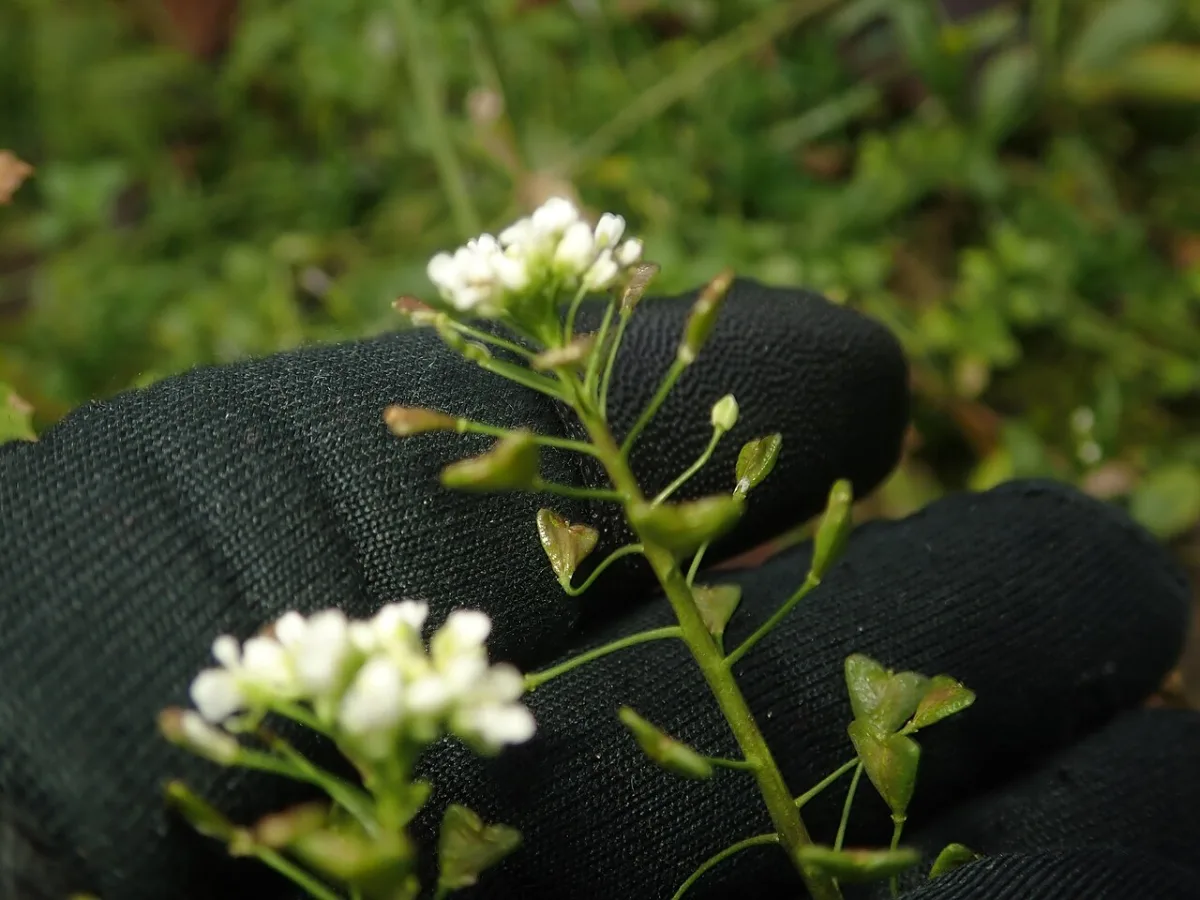
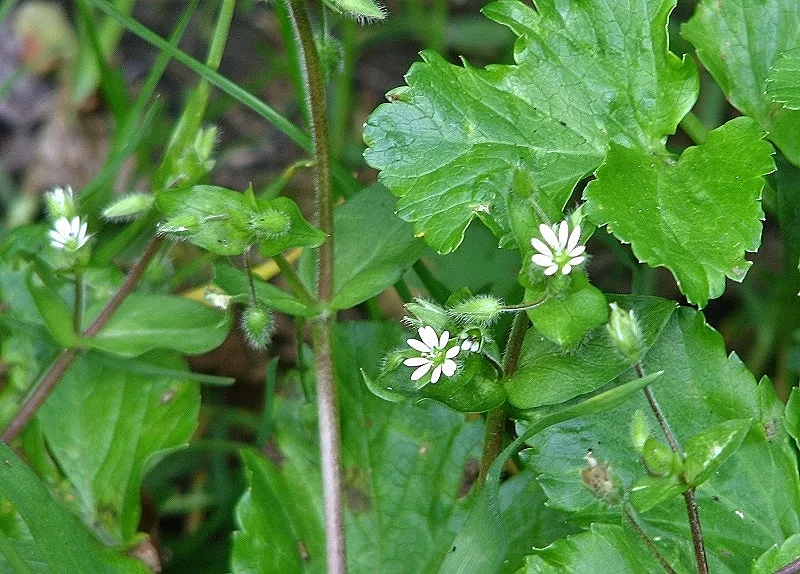
Cleavers (Galium aparine) remain one of the most difficult weeds to eradicate in agrocenoses, significantly reducing crop productivity. Their ability to spread rapidly and adapt to environmental conditions creates serious obstacles to obtaining stable harvests. For agronomists and plant protection specialists, controlling this weed is a critical task that requires a deep understanding of the interaction mechanisms between herbicides and weed vegetation in various types of plantings — from grain crops to berry plantations.
This selection presents current materials devoted to the issues of controlling cleavers and associated weeds. Readers will find information on preventing resistance to herbicides of the 2,4-D and MCPA groups, which will help optimize chemical plant protection systems for winter wheat. The articles also analyze the biological efficacy of modern preparations based on florasulam in corn and wheat crops. Additionally, an overview of the species composition of weed vegetation in strawberry and raspberry plantings is included, which allows for an assessment of the phytosanitary situation in berry plantations and the development of a sound crop protection strategy.