
Morphological characteristics and poisonous properties of Sarepta mustard
2 min read
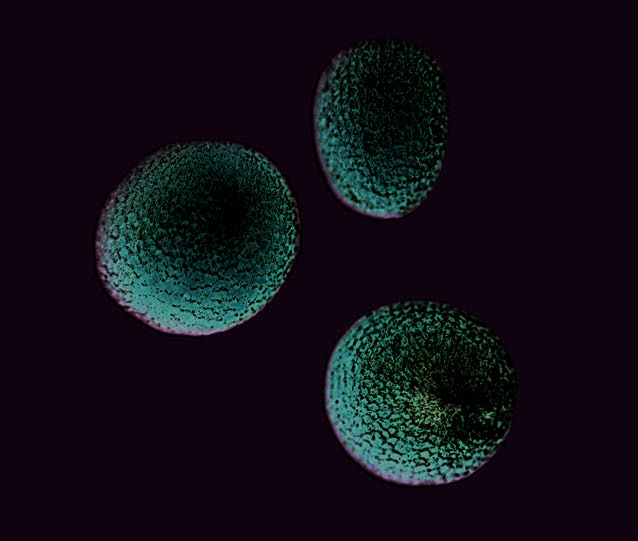
Sareptan mustard poses a serious problem for field operations, as it actively infests crops of grain crops. During harvesting, the fruits, their segments, and weed seed end up in the heap, reducing the quality of the commercial grain. In specialized literature, this plant is described within the families Brassicaceae (Brassicaceae Burnett) and Papaveraceae (Papaveraceae Juss.).
The weed can be accurately identified by the morphological characteristics of its fruits and seeds. The pods of the plant are long and covered with characteristic tubercles. The rounded seeds have a distinct reticulate-deep-pitted surface, with the pits becoming smaller closer to the dark oval hilum.
- Pod length — 2035 mm
- Seed diameter — 1,252 mm
- Proportion of the radicle in the seed circumference — up to 4/5
- Allyl mustard oil in essential oil — 40%
- Crotonyl mustard oil in essential oil — 50%
The weed adapts easily to various climatic conditions. Mapping of its range shows its widespread presence throughout the territory of Russia and neighboring states. Sareptan mustard can be found in the following regions:
- European part (mainly central and southern districts);
- Caucasus;
- Western and Eastern Siberia;
- Far East;
- Central Asia.
Toxicity of Sareptan mustard and danger to livestock
All parts of the plant contain thioglycosides, which accumulate in the fruits during the growing season. The maximum concentration of toxic substances is recorded in unripe mustard seeds. The main active ingredient of the weed is the glycoside sinigrin and essential mustard oil.
When seeds are ingested by livestock animals, the myrosinase enzyme causes the breakdown of sinigrin. During this reaction, allyl isothiocyanates — highly toxic mustard oils — are released.
Acute poisoning in livestock causes profuse salivation, severe stomach pain, vomiting, diarrhea, and gastroenteritis. In severe cases, dyspnea and bradycardia develop, and loss of consciousness and respiratory arrest are possible respiration.
Similar thioglycosides are contained in many other cruciferous weeds and crop plants. During the fruit ripening period, even conditionally "non-toxic" species become dangerous to livestock animals and poultry if they consume the green mass in large quantities. Toxic substances are most actively accumulated by members of the genus Brassica (cabbage, mustard, rapeseed, swede, turnip) and the closely related genus Synapis (mustard).
The accumulation of toxic mustard oils also occurs in plants of other related genera. When grazing livestock and preparing feed, attention should be paid to the presence of these herbs in the stand. Dangerous substances are contained in:
- radish (Raphanus), wintercress (Barbarea), bastard cabbage (Rapistrum);
- yellowcress (Rorippa), hedge mustard (Sisimbrium), rockcress (Arabis);
- tansy mustard (Descurainia), pepperweed (Lepidium), shepherd's purse (Capsella);
- candytuft (Iberis), garlic mustard (Alliaria), hoary alyssum (Berteroa);
- bittercress (Cardamine), hoary cress (Cardaria), arugula (Еruса);
- wall-rocket (Diplotaxis), eutrema (Eutrema), pennycress (Thlaspi).
Read next
Seeds and varieties For agronomists
Botanical description of pods and seed of wild radish
Seeds and varieties For agronomists
Characteristics of seeds and distribution area of field pepperweed
Seeds and varieties For agronomists