
Morphological characteristics and geography of distribution of field mustard
1 min read
Family: PAPAVERACEAE
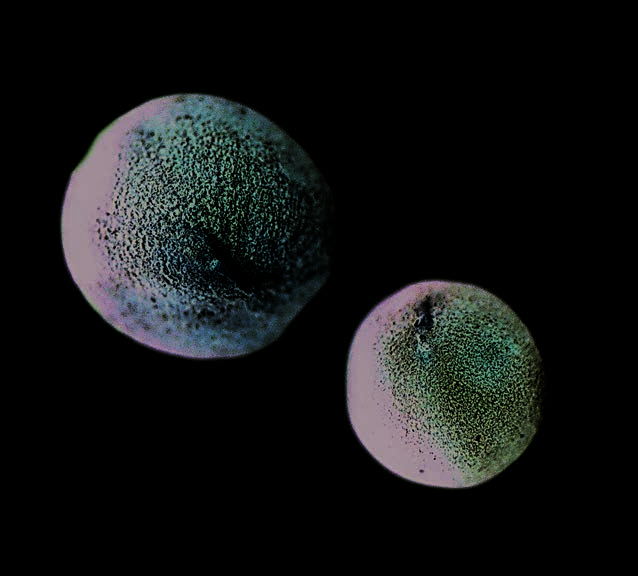
FAMILY CRUCIFERAE Pods cylindrical, slightly quadrangular, hirsute. Length 20–40 mm. Seeds spherical. Embryo with a barely noticeable radicle. Seed hilum slightly protruding, elongated-oval, with a white spot. Surface finely punctate, almost smooth, matte or slightly glossy. Color black with a reddish tint, brownish-reddish. Diameter 1.25–1.75 mm. Infests spring cereals. Distribution: European part (everywhere, reaching the Far North), Crimea, Caucasus, Western and Eastern Siberia, Far East, Central Asia. Toxic properties: indicated above. The most frequently encountered weed in crop production.
Read next
Seeds and varieties For agronomists
Seed morphology and distribution range of Erysimum cheiranthoides
Seeds and varieties For agronomists
Botanical description and characteristics of field pennycress seed
Seeds and varieties For agronomists