
Characteristics of the quarantine weed Cyclachaena xanthiifolia and control methods
1 min read
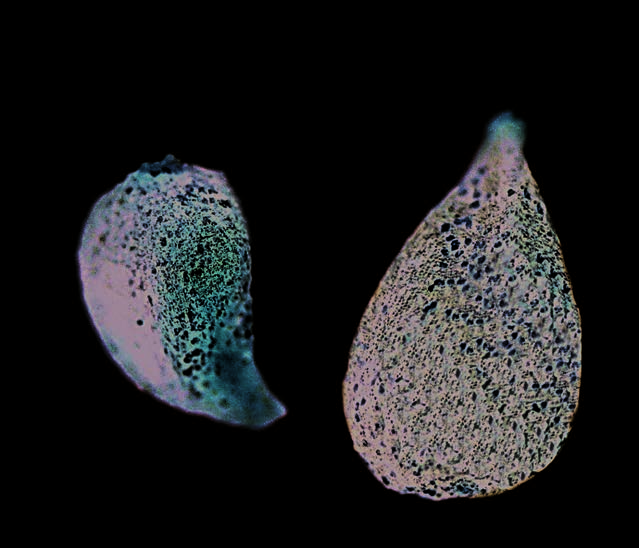
The achenes are obovate or wedge-shaped, slightly compressed, sometimes weakly curved. The apex of the achene is broadly rounded with a style remnant. The fruit scar appears as a distinct small pad at the base of the achene. The surface is rough and matte. The color is gray, dark gray, or almost black. The length of the achene is 1.5–2.5 mm, the width is about 2 mm, and the thickness is about 1 mm. It is found on cultivated land, meadows, pastures, as well as on roadsides and wastelands. In cases of severe infestation of fields (more than 30 shoots per 1 sq. m.), the cultivation of many crops becomes impossible. To some extent, the weed is suppressed by winter crops and perennial grasses (smooth brome, couch grass, alfalfa, sweet clover). It is absent in the territory of Russia. Distribution: USA, Canada, Mexico, Australia. INCLUDED IN THE "LIST OF PLANT PESTS, DISEASES, AND WEEDS OF QUARANTINE SIGNIFICANCE FOR THE TERRITORY OF THE RUSSIAN FEDERATION."
Read next
Seeds and varieties For agronomists
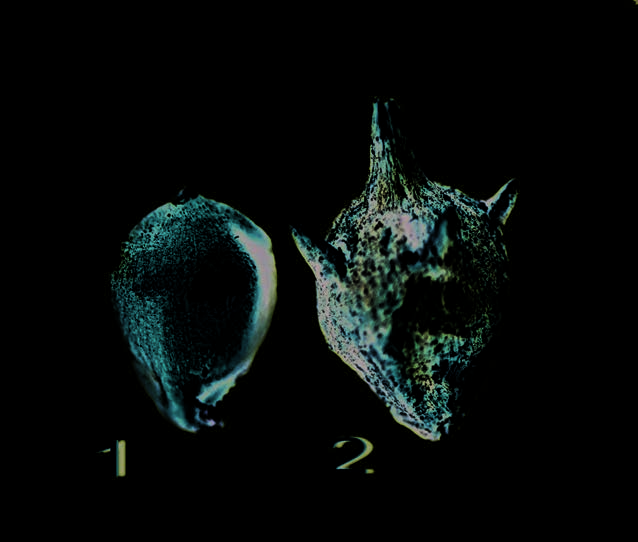
Morphological characteristics of seeds and geographical distribution of common ragweed (Ambrosia artemisiifolia)
Seeds and varieties For agronomists
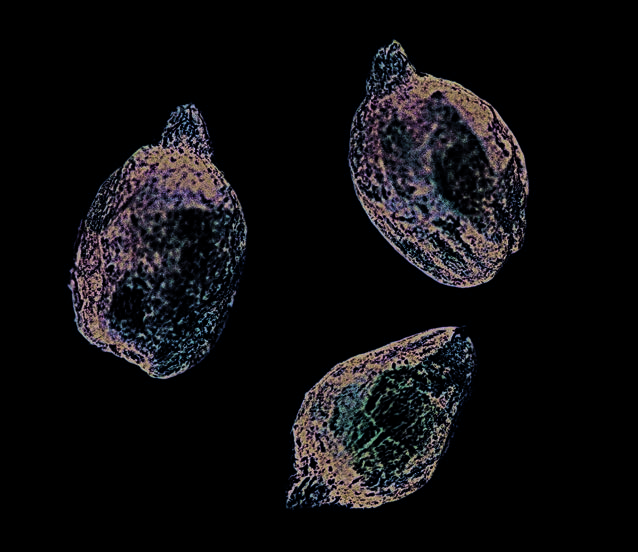
Morphological characteristics and quarantine significance of perennial ragweed
Seeds and varieties For agronomists