
Characteristics of clover dodder seed and the distribution range of the parasite
1 min read
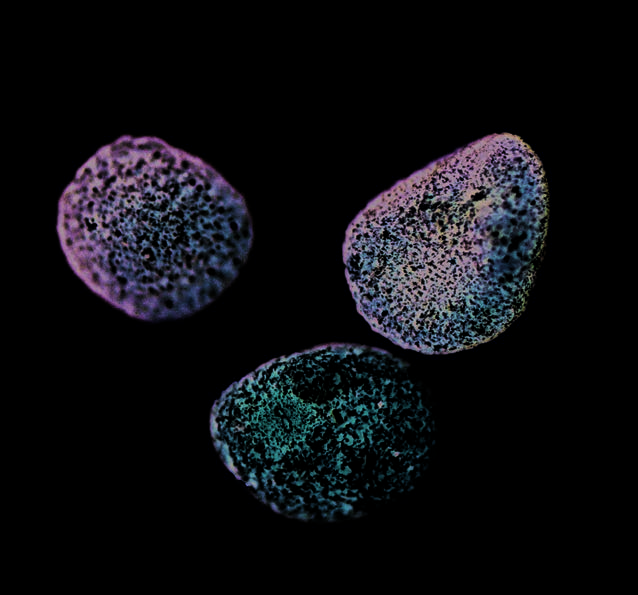
Thyme dodder (family Cuscutaceae Dumort.) is a dangerous parasitic weed that infests crops of cultivated plants and reduces harvest quality. This pest affects clover, alfalfa, timothy grass, flax, as well as wild and weed perennial grasses, especially legumes. To prevent field infestation, agronomists must carefully check the purity of seed material.
This weed is widespread in the European part of the country, especially in clover cultivation areas: western, north-western, and central regions. Outbreaks of the parasite are also found in the Caucasus, Siberia, and Central Asia. Timely detection of dodder seed helps prevent land infestation.
Morphological characteristics of thyme dodder seeds
The weed's seed pods are spherical and open with a transverse crack. The seeds themselves are angular-spherical or obovate. Their dorsal side is strongly convex, while the ventral side facets are almost flat or slightly convex. The rib formed by these facets is blunt and does not reach the very apex.
The seed surface is rough-pitted or pitted-punctate, matte. Upon visual inspection, it appears to be covered with fine granular dust. Their seed hilum is small, flat, and round or oval in shape.
The seed color varies depending on the degree of maturity:
- mature seeds — grayish-brown, light gray, or dark brown;
- immature seeds — light yellow.
- Seed length — 0,751 mm
- Width and thickness — 0,50,75 mm
Please note: thyme dodder has poisonous properties, so its presence in forage crops is unacceptable.
Read next
Seeds and varieties For agronomists
Morphological features of seed and distribution of Cuscuta epilinum
Seeds and varieties For agronomists
Morphological characteristics of seeds and distribution area of the field dodder
Seeds and varieties For agronomists