
Morphological characteristics of seeds and distribution area of field dodder
1 min read
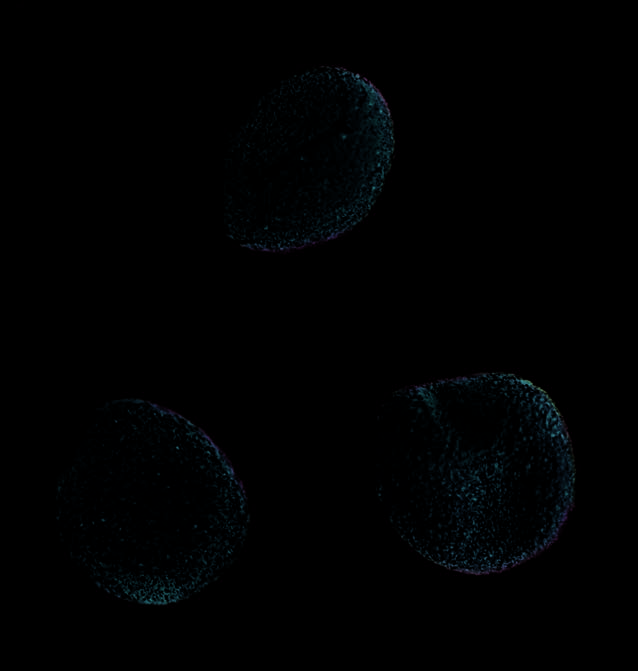
-- The capsules are spherical-flattened. The seeds are irregularly spherical. The dorsal face is broadly oval; on the ventral side, the seed is flatter, with the faces often being unequal and forming a depression. The hilum is curved-oval and somewhat obliquely positioned. The surface is finely tuberculate, rough, and matte. The color is grayish-yellow or yellowish-brown; the hilum is light in the center of a rounded darker base; the ribs are somewhat lighter than the faces. Length is 1.25–2.5 mm, width 1–1.5 mm, thickness 0.75–1 mm. It infests and affects jute, kenaf, alfalfa, clover, flax, vegetables, wild plants, berry bushes, and fruit trees. Distribution: European part (central and southern regions), the Caucasus, Central Asia. Toxic properties: indicated above.
Read next
Seeds and varieties For agronomists
Morphological characteristics of seeds and distribution area of the field dodder
Seeds and varieties For agronomists
Morphological features of seed and distribution of Cuscuta epilinum
Seeds and varieties For agronomists