
Rules and algorithm for preparing transplants for planting in open soil
4 min read
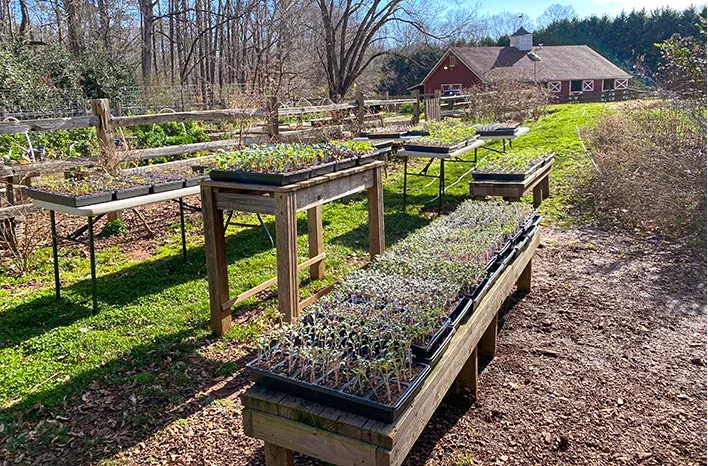
The main task of hardening 10–12 days before planting is to fully preserve the established potential of the seedlings, protect the leaf apparatus from burns, and ensure a quick start for the plants in the field. Without special pre-planting preparation, seedlings lose a significant portion of their leaves and take a long time to establish. At the same time, correctly hardened plants can, in certain years, produce a yield twice as high compared to unhardened ones.
- Hardening period — 10–12 days
- Air speed — 1.5 m/s
- UV transmission by standard film — 55–70 %
- UV transmission by stabilized film — 26 %
- Yield increase — up to 2 times
For high-quality preparation of seedlings before transplanting, a proven algorithm of agrotechnical measures is applied. All procedures are carried out strictly gradually so as not to induce deep stress in the plants. During this period, the following steps are consistently performed in the greenhouse or under the cover:
- Reduce irrigation of plants, strictly controlling soil moisture and preventing wilting.
- Open ventilation openings to increase air circulation.
- Lower the temperature in the greenhouse almost to the outside level, with the exception of periods of frost and prolonged cold spells.
- Completely remove the film cover or move the seedlings to the open air — for a few hours in the first days, and then for 24 hours a day.
Do not extend the hardening period: carrying out procedures for 15–17 days instead of 10–12 leads to severe inhibition of plant growth in the greenhouse and in the field, as well as a reduction in yield. Do not use fluorescent film for seedlings, which transforms the blue-violet spectrum into red — it is intended only for growing commercial vegetables. Also, avoid drafts with a wind speed of 3 m/s, which suppress the development of the crops.
Light, air, and nutritional regimen during hardening
Ultraviolet rays play a decisive role in light adaptation. Glass completely absorbs the UV spectrum, so seedlings from glass greenhouses die from sunburns without preliminary hardening. Ordinary transparent polyethylene film transmits 55–70 % of ultraviolet light, while stabilized film transmits only 26 %. If the greenhouse design does not allow for the quick removal of the film completely, organize two-sided ventilation for good aeration and gradual exposure of the plants to the sun throughout the day.
The most important factor in hardening is the airflow around the plants. According to field research, an air speed of 1.5 m/s is optimal. Compared to a speed of 0.5 m/s, airflow at 1.5 m/s lowers leaf temperature by 1–2 °C and increases the root-to-leaf mass ratio, as well as the leaf-to-stem mass ratio. As a result, seedling establishment is significantly improved, and the intensity of flowering and fruit set in the open field increases.
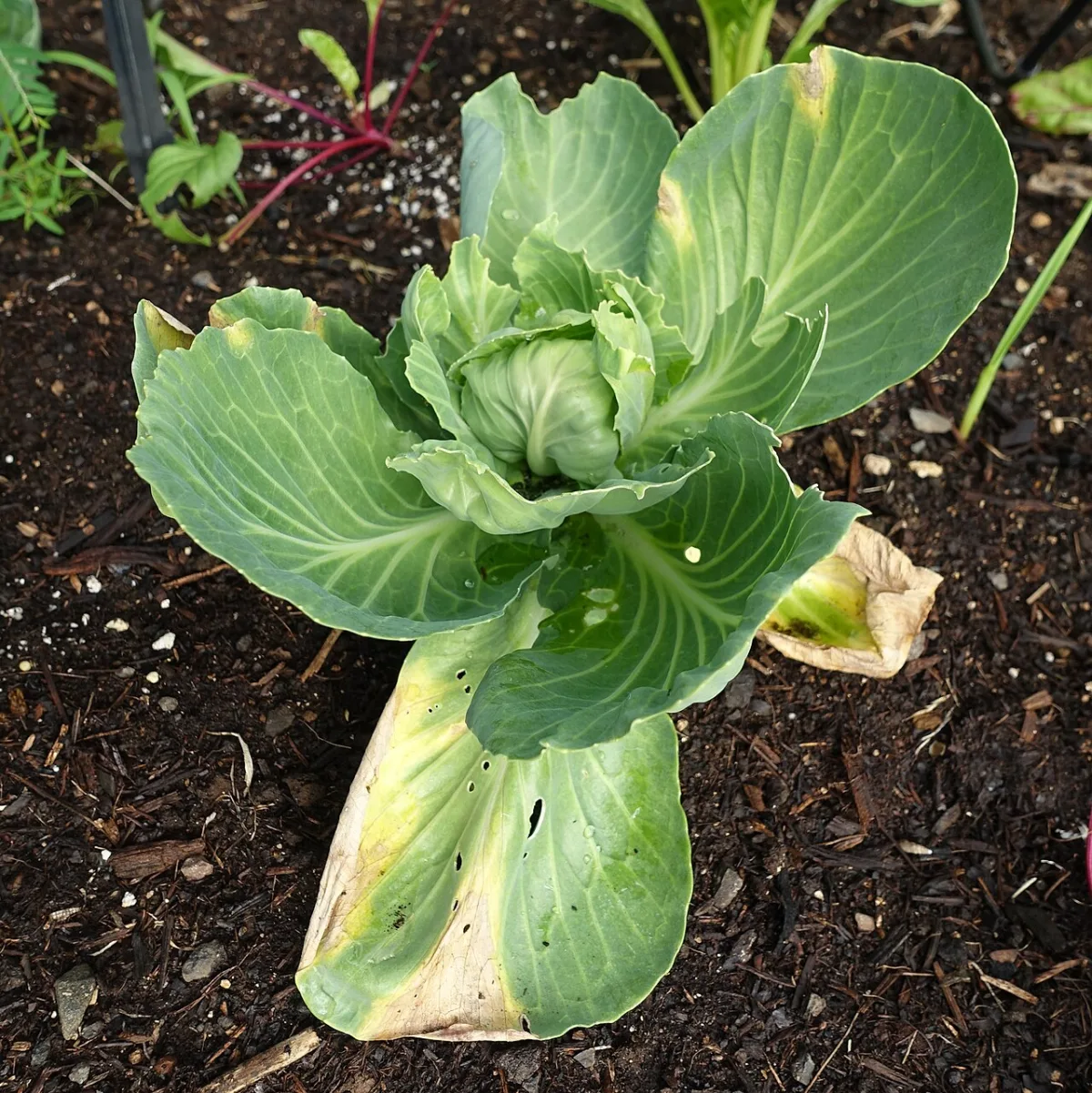
Externally, hardened seedlings are characterized by compact size and shorter stem length. The leaves are formed dark green, sufficiently thick, with a characteristic waxy bloom in cabbage or pubescence in tomatoes. The increased vitality of such plants is due to a high content of chlorophyll, dry matter, and ascorbic acid, as well as reduced transpiration and high water-holding capacity of the tissues.
The final chord of the hardening process is mandatory top dressing with mineral fertilizers with increased doses of potassium. This technological solution increases the suction power of the roots, helping the seedlings to immediately resume growth after transplanting.
Read next
Greenhouses and covers For gardeners
Cultivation and hardening regime for seedlings to increase yield
Vegetable growing For students
Technology for proper hardening of vegetable transplants before planting in soil
Greenhouses and covers For gardeners