
Cultivation and hardening regime for seedlings to increase yield
4 min read
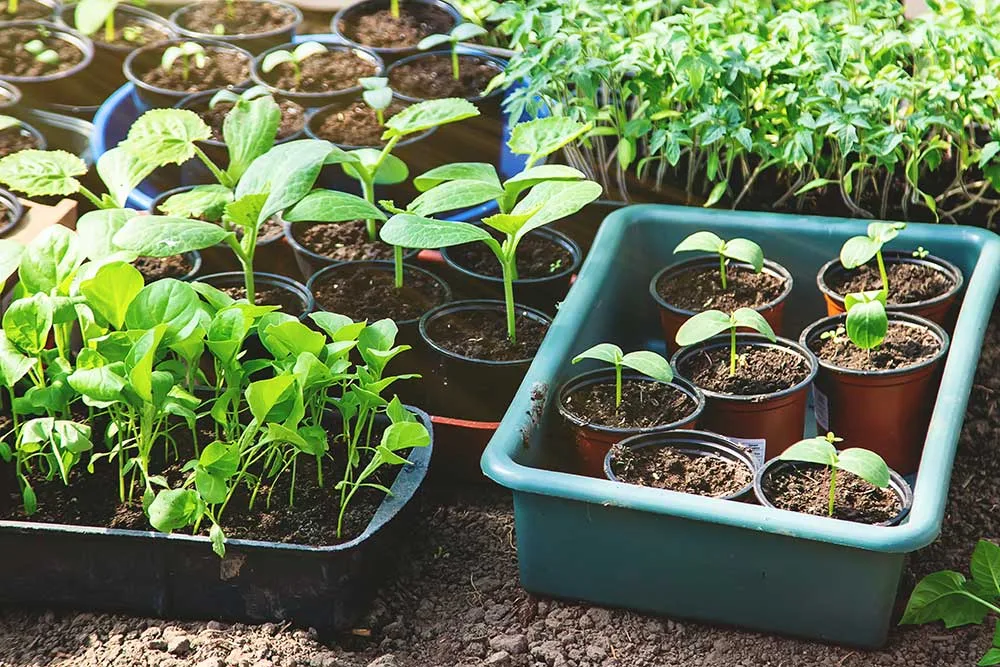
Growing vigorous-looking transplants in a greenhouse is only half the battle. In open soil, young plants immediately face adverse factors: drying winds, a lack of moisture, and active sun. To ensure transplants survive the transplanting process without stress and produce a high harvest, they must be hardened off from the very beginning of cultivation. For this, an agronomist must focus not on the comfortable physiological optimum for rapid growth, but on more rigorous conditions that ensure harmonious plant development.
Temperature regime in the greenhouse is regulated taking into account the age of the transplants, light levels, and time of day. At night, the air temperature must be lowered. If it is kept high, plants expend too much of their accumulated nutrients on respiration, causing them to become leggy and weak. During the day, the temperature is adjusted according to the weather: the brighter the sun, the warmer it should be in the greenhouse, while on cloudy days the temperature is lowered.
Attempts to save space and sow seed earlier and more densely usually lead to a loss of harvest. Each seedling needs its own volume of air, good illumination, and sufficient feeding area. When overcrowded, plants suppress one another and grow weak. If transplant area is limited, it is better to shift the sowing to a later date — young transplants require less space.
Mineral nutrition and water regime of transplants
At the start of the growing season, young plants are extremely sensitive to soil nutrition. Tomatoes, peppers, and eggplants in the first period of life are in acute need of phosphorus, which accelerates flowering and fruit set. When applying top dressing, it is important to maintain a balance of elements:
- Excess nitrogen fertilizer reduces plant resistance to disease and delays ripening.
- Potassium increases the endurance of transplants during a lack of heat and light.
- Potassium before planting improves water balance by increasing osmotic pressure and the suction force of the roots.
An excess of nitrogen fertilizer, especially at lower temperatures, weakens fruit set in fruit crops and reduces their resistance to diseases.
The irrigation regime directly affects the establishment of transplants in the field. Excess moisture makes tissues tender, and drying out of the soil leads to plant growth retardation after transplanting. Peppers, eggplants, and cauliflower suffer particularly strongly from water deficiency. Tomatoes tolerate drought better, as they are capable of absorbing moisture from the soil air.
To obtain hardy transplants, maintain moderate air humidity. High humidity combined with low temperatures triggers the development of blackleg and downy mildew.
Remember that fast-growing transplants are not always of high quality. Plant viability is determined by standards. Evaluate not only the height of the stem and the number of leaves, but also the mass of the aerial part and the roots.
Read next
Greenhouses and covers For agronomists
Rules and algorithm for preparing transplants for planting in open soil
Vegetable growing For students
Methods of maintaining a growth head start in vegetable transplants
Greenhouses and covers For gardeners