
Rules for growing high-quality vegetable transplants in a greenhouse
4 min read
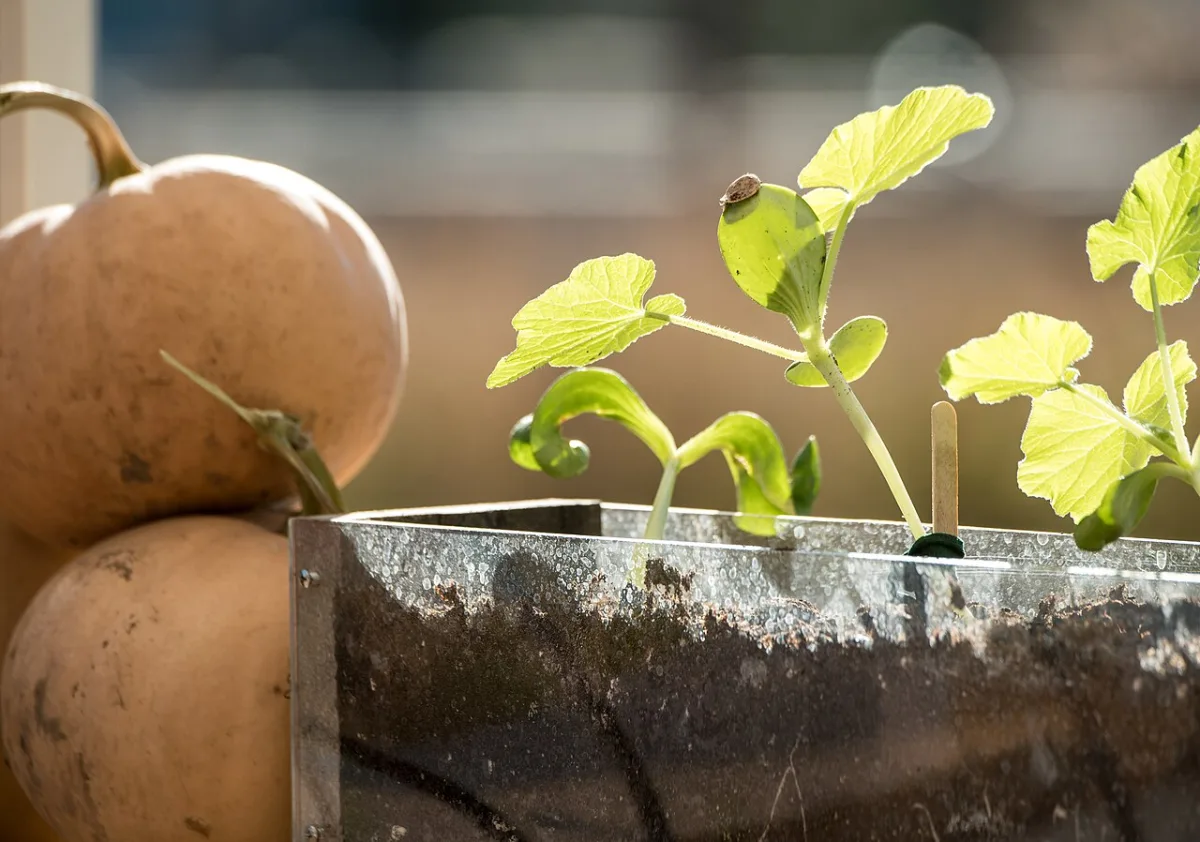
GROWING TRANSPLANTS What is needed to master the art of growing transplants? First of all, one must study the life of a young plant well and know what requirements it has for growing conditions: temperature, light, moisture, and nutrients. But even if we provide the transplants with all these conditions at an optimum level and they grow and develop perfectly, it does not mean that we will get a good harvest. There are certain laws here that must be mastered. From the purely physiological optimum of all environmental conditions, which promotes the fastest plant growth, one must distinguish a more rigorous, harmonious optimum that does not ensure such rapid growth, but subsequently < p«2-« B 6 > 5 >
leads to the highest harvest. And one more feature: transplants grown in greenhouse conditions are transplanted into open soil, where they are subjected to harsher conditions (drying wind, lack of moisture, active solar radiation). Making this transplanting as painless as possible and preserving the potential the plants have gained is one of the main concerns of vegetable growers. To achieve this, transplants must be hardened off from the very beginning of their growth.
The temperature regime for growing transplants is a very subtle factor that depends on the age of the plant, illumination, and time of day. It is not the same for soil and air. At night, the air temperature should be significantly lower than during the day, since excess heat during this period increases the respiration of plants and raises the consumption of plastic substances, which may even exceed their intake through assimilation. As a result, the plants become delicate, spindly, and weak.
The stronger the illumination, the higher the air temperature can be, and vice versa. Under certain conditions (high temperature and low illumination, which is observed when growing transplants in a room during winter and early spring months; dirty frames in hotbeds; severe overcrowding), the transplants will be thin and pale, and it will be difficult to obtain a good harvest from them.
Vegetable growers often strive to raise transplants with the greatest possible potential and use the area as economically as possible, i.e., to sow as early and as densely as possible. These two desires are incompatible, as each plant requires good light conditions, as well as a certain amount of air and soil space, which is called the feeding area. With excessive density, plants suppress each other, and one cannot expect a good harvest, especially an early one, from frail, weakened plants. In this case, the whole point of the transplant method is lost. If you have little equipped transplant area, it is better to sow the seed later, since younger transplants require a smaller feeding area.
In addition to temperature and light regimes, pay special attention to soil nutrition. Young plants are especially < 2 ‹ a x o sensitive and demanding of it. Fruit crops, tomato, pepper, eggplant are very responsive to the application of phosphorus fertilizer in the first period of life, which will accelerate flowering and fruit set. An excess of nitrogen fertilizer, especially at low temperatures, reduces the resistance of plants to diseases, weakens fruit set in fruit crops, and delays ripening. Increased potassium nutrition, especially under conditions of low light and temperature, increases plant resistance. Potassium is indispensable when preparing transplants for planting in open soil, as it improves the plant's water regime by increasing osmotic pressure, and therefore, the suction power of the roots.
Optimal water supply regime for greenhouse transplants
An important role in preparing transplants is played by optimal irrigation. Plants grown with moderate watering are the most viable. An excess of moisture leads to excessive tenderness of the plants, while a deficiency leads to stunted plants that, upon transplanting to the field, continue to lag in growth and produce low yields.
Those that suffer particularly from a lack of moisture are:
- pepper;
- eggplant;
- cauliflower.
The tomato, which is capable of absorbing moisture from the soil air, reacts to the level of water supply to a lesser extent.
Humidity control and quality standards
To obtain high-quality transplants, it is very important to maintain moderate humidity. High humidity, especially at low temperatures, leads to the plants becoming delicate and the appearance of a number of diseases, such as, for example, damping-off or downy mildew.
Fast-growing transplants are not necessarily an indicator of quality. There are established standards for transplants, including their height, number of leaves, and the mass of the above-ground part and roots.
Read next
Greenhouses and covers For agronomists
Rules and algorithm for preparing transplants for planting in open soil
Vegetable growing For students
Methods of maintaining a growth head start in vegetable transplants
Greenhouses and covers For agronomists