
Control of late blight and fusarium wilt of tomatoes in a greenhouse
4 min read
Late blight, fusarium wilt, and leaf spot of tomatoes: diagnostics and agrotechnical solutions
Late blight remains the most dangerous and rapidly spreading tomato disease, capable of infecting the entire plant in a short period of time. In the open soil of the Central region, the pathogen significantly complicates the cultivation of the crop, including specialized open-soil cultivars and hybrids. A frustrating feature is that mass fruit ripening in the soil begins from mid-August — precisely during the period of maximum fungal activity. The infection manifests itself with the following characteristic signs:
- rotting of fruits at various stages of ripening;
- appearance of spots on leaves resembling black burns.
- Critical period of late blight activation — August
- Mass fruit ripening in the soil — from mid-August
- Timing for harvesting green fruits for ripening — early August
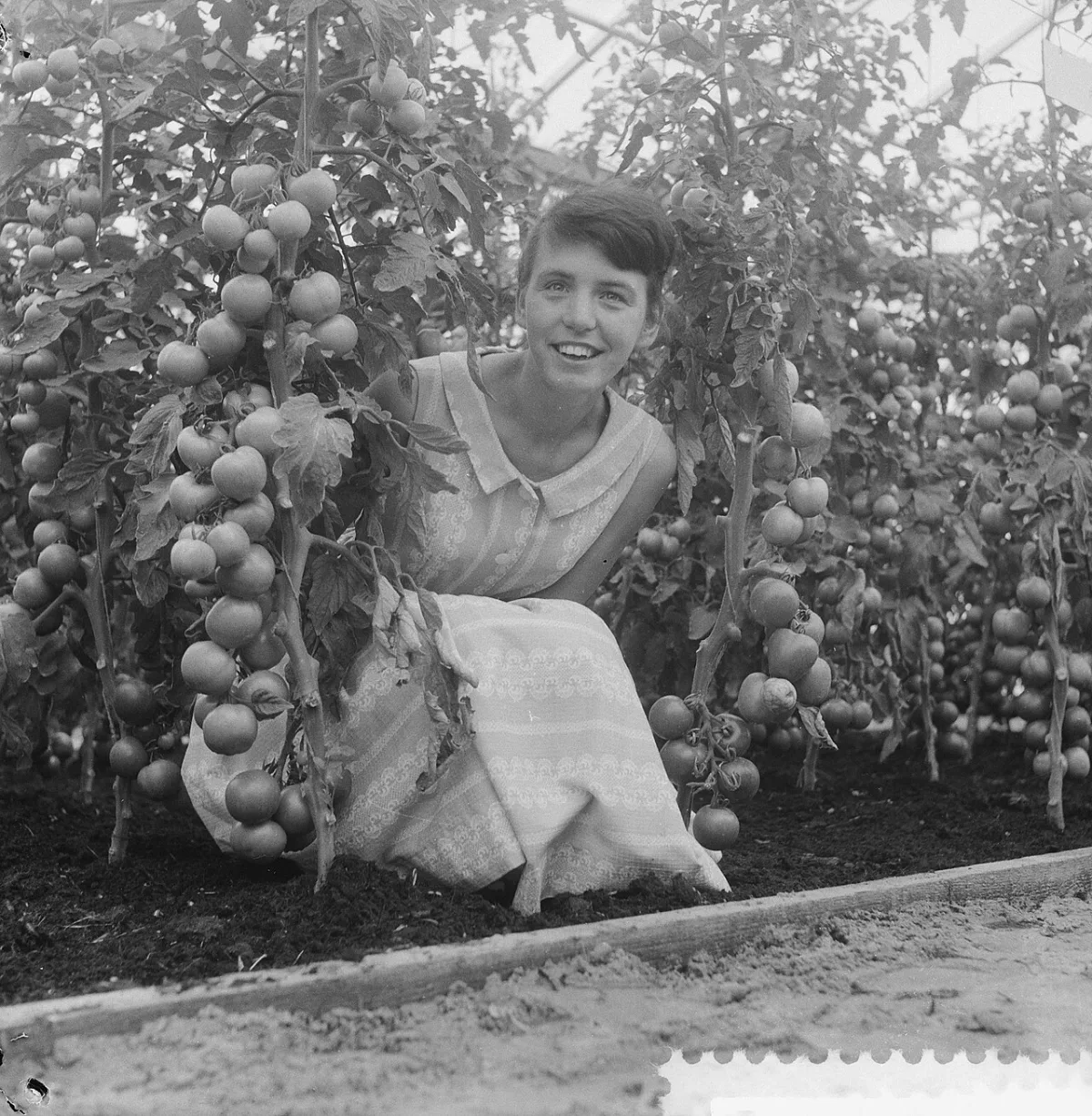
The development of late blight is favored by cold nights and heavy fogs. In protected soil, the situation is more favorable due to the retention of nighttime heat and earlier fruiting. In August, the strategy for managing a greenhouse crop is aimed at maximum heat accumulation: doors are closed earlier so that the setting sun has time to warm the structure. In practice, the mass harvesting of large green fruits is widely used in early August for ripening in boxes, sheds, or attics, which reduces the load on the plant and guarantees the preservation of the harvest.
Fusarium wilt does not respond to treatment, even with strong chemical agents. If wilting plants are discovered, they must be immediately and carefully uprooted and burned.
Fusarium wilt manifests as the sudden death and complete drying out of individual plants, which externally resembles root damage caused by cockchafer larvae. The disease arises against the background of soil exhaustion due to continuous tomato cultivation in the same spot or due to the genetic weakness of specific specimens. If plants die off frequently, it is necessary to revise the agrotechnics and crop rotation. Notably, when sowing seed collected from one’s own harvest, this disease did not occur.
A sign of normal tomato development is the maintenance of a green, growing apex. Natural aging and spotting of the lower leaves are associated with the redistribution of nutrients in favor of flowers and fruit set.
Brown leaf spot and subsequent plant death are more often caused by serious agrotechnical errors: overwatering, overfertilizing, overheating, or nutrient deficiency. The fungus attacks the plant secondarily when it is already in a state of severe stress, which is why the use of pesticides usually does not provide an effect. It is important to distinguish pathology from the natural senescence of the lower foliage layer, which can accelerate due to starvation or drought. If a tomato plant’s growth is stunted and all foliage is affected, the plant is irreparably compromised, and with a high fruit load, the plant begins to shed fruit set with the manifestation of blossom-end rot and other fruit rots.
Read next
Greenhouses and covers For gardeners
Humidity control and myths about condensation in the greenhouse
Soil and tillage For students
Influence of soil structure and composition on capillary moisture transfer
Soil and tillage For students