
Rules for leaf removal in tomatoes to accelerate fruit ripening
3 min read
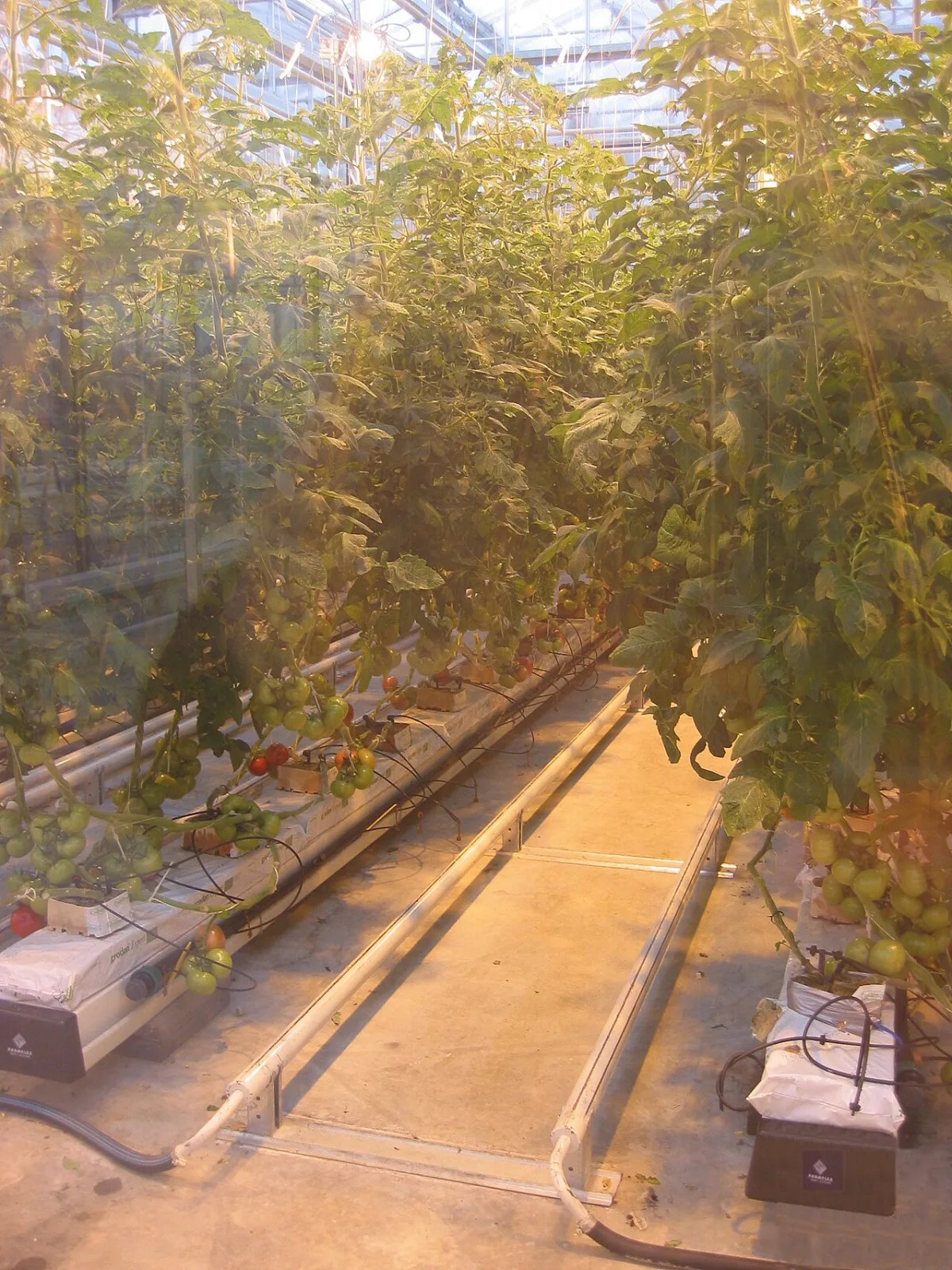
Removing tomato leaves in a greenhouse is a mandatory agrotechnical practice performed alongside side-shoot pruning. This operation redistributes nutrients, directing them toward the ripening fruits, and improves the microclimate within the plantings. Proper pruning helps significantly accelerate ripening and protect the harvest from fungal infections.
Regular removal of the foliage apparatus solves several tasks in the greenhouse at once:
- improves the illumination of fruits inside the bush;
- accelerates the coloring of tomatoes;
- reduces moisture evaporation on the plantation;
- prevents contact between fruits and old, damp foliage, reducing the risk of rot development;
- ensures thorough ventilation of the greenhouse;
- provides a clear view for timely removal of diseased fruits and excess side shoots.
- First pruning period — June – July
- Final defoliation — mid-August – early September
- Leaf lifespan — several months
Do not begin pruning healthy leaves while the fruits on the bottom cluster remain green. Until the first fruit set begins to ripen, the bush needs all its leaf mass for complete nutrition and growth.
Current and final defoliation: timing and rules
Tomato leaves physiologically age several months after unfurling. They stop producing starch to feed the roots and fruit set, which is why foliar top dressing is no longer effective for them. The aging leaf turns yellow, becomes covered with brown spots, and is gradually colonized by saprophytic fungi. This is a natural process that begins from the bottom tier, as these leaves appeared first. Old foliage is useless to the bush but creates stagnant air and shades the plantings, so it must be removed as it ages.
- Wait until the fruit set on the first, lowest cluster of tomatoes begins to color.
- Completely remove all leaves located below this cluster.
- Repeat the procedure for the second and subsequent tiers as soon as the fruits on them begin to turn brown or red.
- In mid-August — early September, carry out the final defoliation, completely clearing the bushes of foliage to allow the last clusters to ripen.
After the lower leaves are removed, the nutrition of the bush falls entirely on the young apical greenery. The green fruits themselves and the tomato stems also actively participate in photosynthesis, so the plant does not experience a deficit of assimilates.
Read next
Greenhouses and covers For gardeners
Control of late blight and fusarium wilt of tomatoes in a greenhouse
Greenhouses and covers For gardeners
Humidity control and myths about condensation in the greenhouse
Greenhouses and covers For gardeners