
Humidity control and myths about condensation in the greenhouse
4 min read
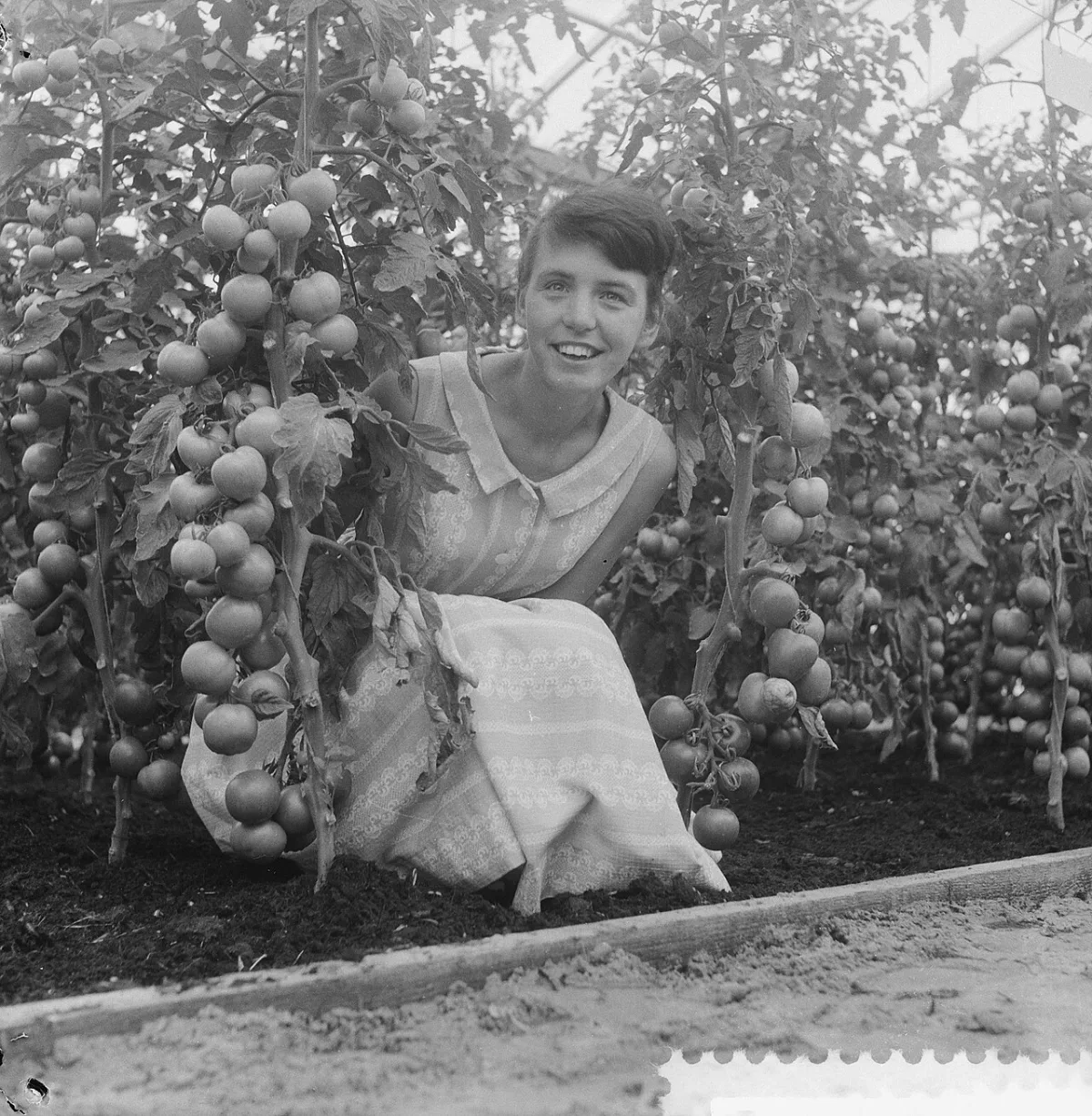
Humid air and night condensation under a greenhouse dome often alarm vegetable growers: it is commonly believed that dampness blocks tomato pollination and inevitably leads to late blight. However, practice shows that air humidity is far from the most dangerous factor even for nightshade crops, let alone cucumbers. With a basic "open by day, closed by night" routine, the microclimate self-regulates within acceptable limits, and short-term fluctuations on overcast days do not harm fruiting.
- Recommended air humidity — 60–65%
- Critical humidity for pollination — 70–80%
- Late blight development threshold — about 10 °C
- Full foliage removal period — from August 15
For the normal development of tomatoes in a greenhouse, it is recommended to maintain air humidity at a level of 60–65%. Problems with pollen pollination arise only when the levels are held at 70–80% for several consecutive days. If the greenhouse is ventilated at least briefly during the day to protect against overheating, fruit set will be perfectly fine.
Morning condensation only partially reduces light levels for the plants, which is critical only for structures in partial shade. In a sunny location, this factor can be ignored, as moisture settles on the polycarbonate and runs down into the soil. To quickly remove vapors and dry the flowers, it is sufficient to open the vents on both sides in the morning for cross-ventilation. There is no need to additionally tie fabrics to the ceiling to absorb condensation.
Temperature regime in August and late blight prevention
The main triggering factor for late blight is not dampness, but low temperature. With a nighttime temperature drop to a critical 10 °C, the risk of a disease outbreak increases sharply. Leaving vents open at night to reduce humidity caused by leaf respiration is more dangerous than closing the greenhouse, as cold causes more significant damage to the plants.
Cold air triggers late blight much more strongly than high humidity. When the night temperature drops to 10 °C, the priority becomes heat retention rather than ventilation.
To safely isolate the greenhouse at night at the end of the season and avoid provoking moisture accumulation from plant respiration, the bushes should be properly prepared:
- Starting around August 15, completely strip the foliage from the tomato bushes to drastically reduce transpiration.
- Remove small, actively growing fruit sets at the tops along with the leaves to take the excess load off the plant.
- Close all doors and vents completely at night when there is a risk of cooling.
By mid-August, the formed fruit sets turn red en masse and virtually stop growing, so they no longer need the foliage. The yield gain from small terminal fruit sets would be negligible anyway. In a defoliated state, the bushes do not create excess dampness and safely finish fruit ripening throughout September.
Read next
Greenhouses and covers For gardeners
Optimal temperature regime for protecting tomatoes from summer overheating in the greenhouse
Greenhouses and covers For gardeners
Rules for leaf removal in tomatoes to accelerate fruit ripening
Greenhouses and covers For gardeners