
Signs of boron deficiency in crops and vegetables
7 min read
Signs and consequences of boron deficiency in crops
Boron deficiency stops the growth of plant stems and roots, reducing the overall harvest. The apical growth points first turn yellow (chlorosis), then darken and die off. The plant begins to bush out due to new lateral shoots, but their growth points also quickly die. As a result, the fields exhibit poor flowering, massive fruit set shedding, and empty grains.
Most often, boron deficiency appears in tundra soils, peat, sod-podzolic, calcareous, sod-gley (dark-colored) soils, and waterlogged areas. Also, a deficiency of this micronutrient often occurs during periods of prolonged drought. The risk of starvation increases sharply in acidic soils after intensive liming.
Intensive liming of acidic soils binds available boron and iron, converting them into forms inaccessible to plants.
Dicotyledonous crops are most sensitive to boron deficiency: beet, flax, turnip, swede, cauliflower, tomatoes, celery, grain legumes, as well as grapes and fruit trees. Cereal crops suffer from boron deficiency extremely rarely. The symptoms of boron starvation vary depending on the crop:
- Beet (fodder and garden): heart leaves gradually turn yellow, darken, and die off, and dry heart rot develops. The root crop cracks (the root "sews") and is almost completely destroyed.
- Swede and turnip: the root flesh darkens, acquires a fibrous structure, and voids (hollowness) form inside.
- Potato: the tops of the stems die off, leaves thicken, curl upward like a boat and turn yellow, and the flesh of the tubers turns brown.
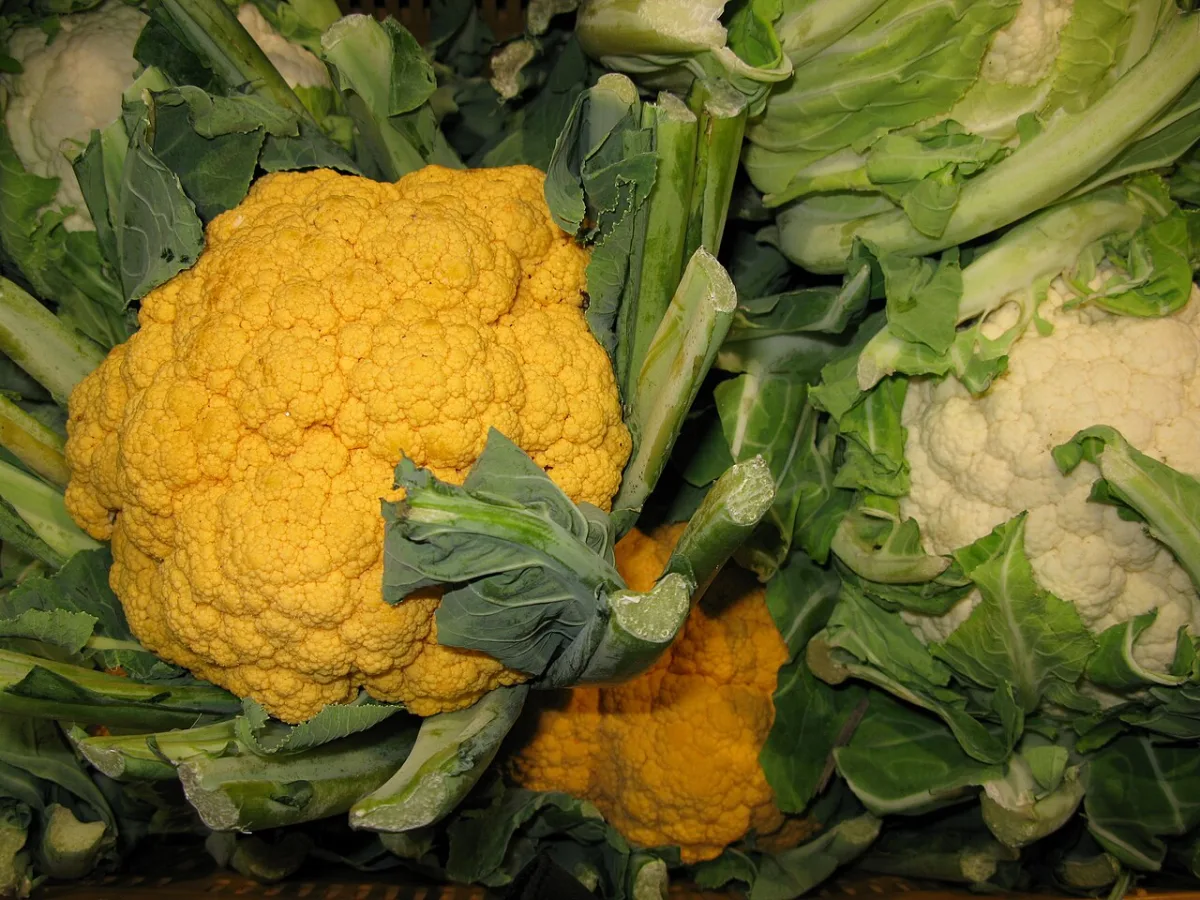
- Cauliflower: the head turns brown and rots.
- Celery: stems crack.
- Tomatoes: bushes branch heavily, leaves acquire a dark purple color, and dark areas of dead tissue appear on the fruits.
- Strawberry: leaves deform, become smaller, wrinkle, take on a cup-like shape with browned tips, and berries become distorted.
- Raspberry: shoot tips die off, leaves become wrinkled and deeply dissected (porous).
- Grapes: many small, underdeveloped berries form in clusters with few normal ones.
- Fruit trees (apple, pear, apricot): leaves thicken and curl, their veins darken and become corky. Dieback and rosette formation are observed. In apple and pear trees, fruits are covered with dry corky spots inside and out; in apricots, the flesh turns brown, and spongy tissue forms around the pit. In citrus fruits, gum is deposited in the rind or core of the fruit, and seeds remain underdeveloped.
Conditions of manifestation and symptoms of iron and copper deficiency
Iron starvation is most often found in alkaline and calcareous soils with high calcium content. Physiologically, there may be plenty of iron in the ground, but due to the soil reaction, it converts into an inaccessible form. The problem is exacerbated by an excess of phosphorus in the soil with a potassium deficiency. To reduce iron deficiency, it is recommended to apply organic and physiologically acidic mineral fertilizers.
The main sign of iron deficiency is chlorosis of young leaves at the ends of actively growing shoots. The tissue between the veins becomes pale green, then lemon-yellow, while the network of veins remains bright green. In case of severe deficiency, apical leaves and shoots die off. Apple, pear, plum, peach, citrus, grapes, raspberry, as well as potato, tomato, cabbage, and corn are sensitive to iron deficiency.
Copper deficiency is usually recorded in peat-bog, sandy, and calcareous soils. Copper starvation leads to dieback or exanthema in legumes, crucifers, and fruit crops. With a critically low content of the element in the soil, plants cannot develop normally.
Symptoms of copper deficiency increase sharply in hot weather, as well as with a high content of ammonia nitrogen and ferrous iron in the soil.
The disease of fruit trees with copper exanthema manifests itself as follows:
- leaves on shoot tips die off, turn brown, and fall off;
- cracks and swellings form on the bark of shoots;
- a large number of leaf rosettes form;
- new young shoots grow actively, on the upper leaves of which chlorosis and spotting are noticeable;
- gum is released from cracks in the bark, after which most of the shoots die off.
| Soil type | Copper content |
|---|---|
| Sandy | less than 0.001% |
Molybdenum deficiency most often manifests itself in acidic and sandy soils. The following crops are at risk:
- legumes (the development of nitrogen-fixing nodule bacteria worsens in them);
- head cabbage;
- lettuce;
- tomatoes;
- citrus fruits.
A characteristic sign of molybdenum deficiency is blurred yellow spotting of leaves in most crops. In legumes, the deficiency manifests itself as total leaf chlorosis, in cucumbers — as marginal chlorosis. Also, with a lack of molybdenum, leaves can grow underdeveloped and twisted, their edges die off and curl upward.
Plants usually experience a manganese deficiency in sandy, carbonate, peat, floodplain, and meadow-chernozem soils with a neutral or alkaline reaction. The problem is exacerbated by an excess of soluble iron compounds in the soil. Since manganese has low mobility within the plant, starvation symptoms appear first on young leaves. The most sensitive to its deficiency are potato, beet, oat, pea, bean, cabbage, peach, cherry, plum, apricot, apple, raspberry, lemon, and mandarin.
In case of manganese deficiency, interveinal chlorosis (mottled leaves) develops, and in peas at late stages, "marsh spot" occurs, indicating tissue necrosis. Initial stages of manganese starvation are similar to iron deficiency, however, the appearance of characteristic spotting subsequently helps to distinguish between them accurately.
Zinc starvation should most often be expected in soils with a light particle size distribution (sandy), neutral and slightly alkaline (carbonate), as well as in low-fertility and exhausted soils. Fruit trees suffer from it the most. In these trees, zinc deficiency manifests with characteristic signs:
- appearance of chlorotic spots on leaves, which become light green or almost white;
- rosetting and little-leaf, abnormal leaf shape, and shortened internodes;
- complete absence of fruit or their deformed shape;
- dieback of tree branches after several years of constant deficiency.
Diagnostic methods and practical benefits for an agronomist
The ability to visually recognize nutrient deficiency helps an agronomist make prompt decisions regarding top dressing and adjust plant nutrition in the current season. These data are also important for refining the fertilizer system for future years, determining soil nutrient status in specific fields, and forecasting the effectiveness of micro-fertilizers.
A deficiency of elements begins to negatively affect plant growth and development long before its signs become visually noticeable. Often, at the time symptoms appear, it is already impossible or extremely difficult to rectify the situation in the field.
For this reason, visual diagnostics must be combined with early monitoring methods. In field conditions, simple express analyses of nutrient content in plant sap or directly on their sections are used for this purpose. Such an approach requires attention and skills, but it allows for detecting hidden deficiency in time and saving the harvest.
Read next
Agrochemistry For students
The role and application features of iron fertilizers in agriculture
Nutrition and fertilizers For gardeners
Diagnostics and symptoms of potassium deficiency in crops
Nutrition and fertilizers For gardeners