
The effect of organic fertilizers on the soil environment and ecological risks
3 min read
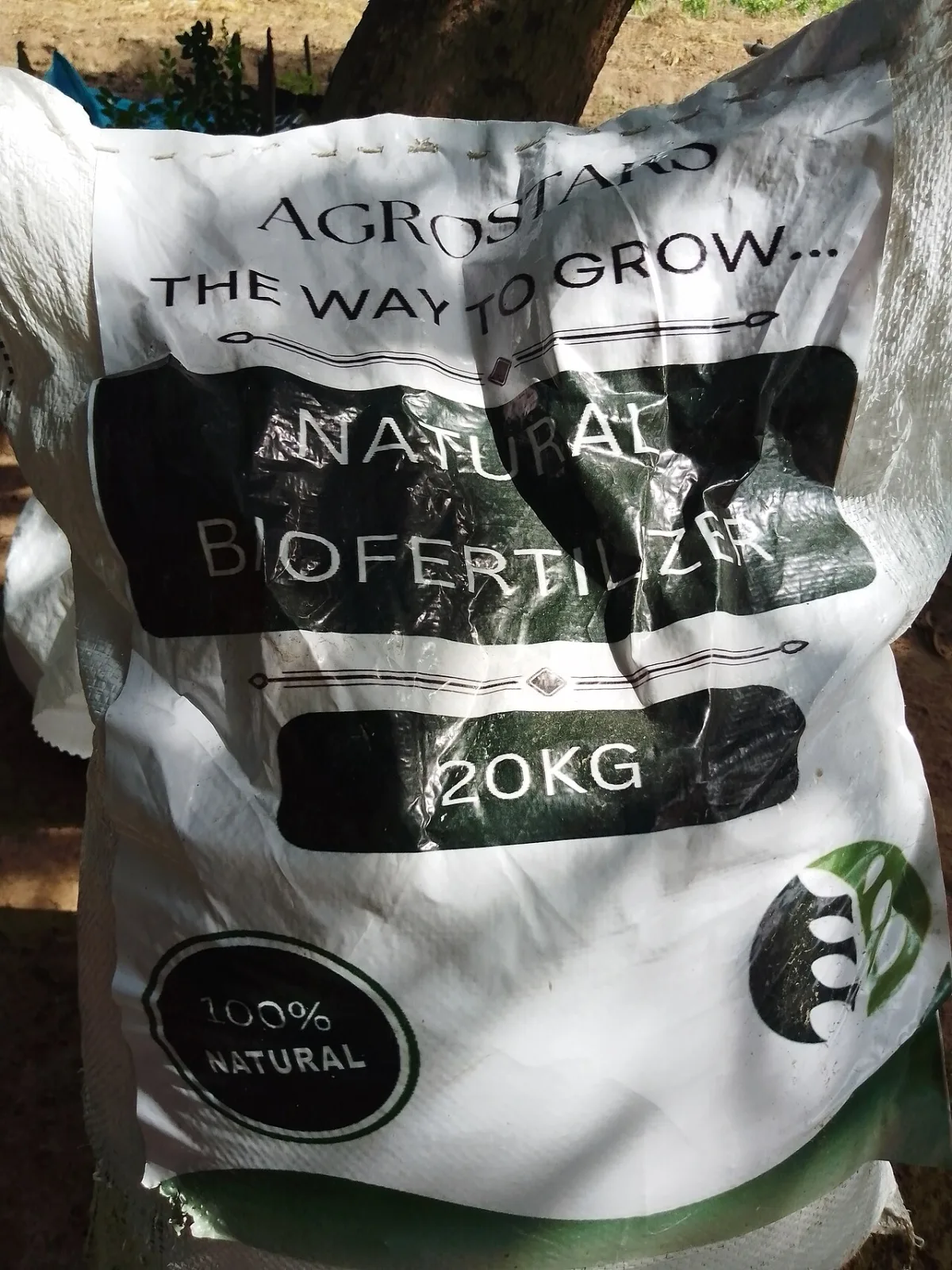
The application of organic fertilizers helps to stop soil dehumification and restore humus balance. However, along with nutrients, harmful impurities enter the soil: from soda (its share is 0.08–0.6%) to dangerous pathogens. Untreated organic matter contains viruses, bacteria, larvae, helminth eggs, and pathogens of serious human and livestock diseases. Therefore, controlling the biological purity of raw materials is a matter of safety for the entire farm.
The survival rate of pathogenic microorganisms depends on the season. In summer, pathogens remain active for 7 to 20 days, while in the autumn-winter period, this period increases to 19–60 days. In open settling tanks, helminth eggs remain viable for up to 4–5 months during the warm season, and when applied in autumn (October–November) — for 12 months or more. Without constant disinfection of manure and poultry manure, their use in fields is strictly prohibited.
| Group of microorganisms | In liquid pig manure, cells/ml | In liquid cattle manure, cells/ml |
|---|---|---|
| Aerobic bacteria | 10⁶–7.5·10⁷ | 3.4·10⁶–4·10⁶ |
| Anaerobic bacteria | 10⁷–2·10⁸ | 8·10⁷–2·10¹² |
| Coliforms | 10⁴–3.8·10⁶ | 10³–3·10⁵ |
| Enterococci | 10–1.2·10⁶ | 2·10⁶–7·10⁵ |
| Staphylococci | 10¹⁰–10¹² | 10⁵–10⁷ |
| Clostridia | 1.8·10¹²–4·10⁴ | 2·10²–1.6·10⁴ |
| Salmonella | in most cases | in most cases |
Application rules and chemical imbalance risks
Systematic exceeding of application rates for liquid organic matter leads to soil salinization and degradation. Ammonium ions, chlorine, sulfate ions, and monovalent cations accumulate in the topsoil. Highly mobile forms of nitrogen are quickly leached into groundwater and volatilize into the atmosphere. This deprives plants of nutrients while simultaneously polluting the environment.
An excess of certain elements blocks the uptake of other important substances. For example, an excessive amount of phosphates binds soil iron into a form unavailable to plants. High doses of potassium interfere with magnesium uptake. And with prolonged application of sewage sludge, heavy metals accumulate in the soil, impairing crop growth and harvest quality.
Diluting manure with water increases pathogen survival by more than 3 times compared to a compact mass. If the incorporation of organic matter into the soil is delayed, ammonia, hydrogen sulfide, and organic dust are released into the atmosphere, which are carried by the wind within a radius of more than 3–4 km.
- Maximum dose of liquid cattle manure — 30–35 m³/ha
- Maximum dose of pig manure — 20–25 m³/ha
- Maximum dose of poultry manure — 15–20 m³/ha
- Nitrogen limit with liquid manure — up to 200 kg/ha
Violations in the technological chain reduce profitability and cause environmental damage. The main errors remain uneven fertilizer distribution and poor manure removal systems. A lack of prepared areas for wastewater irrigation forces high operating costs for mobile transport. Correct calculation of the balance between the farm's livestock population and the land area helps avoid over-fertilizing the fields.
- Insufficient use of bedding, which reduces the yield of high-quality organic matter by 1.5–2 times and leads to the loss of the liquid fraction.
- Uneven distribution of manure and composts over the field area.
- Mismatched livestock numbers to the area of fertilized land, causing excessive salt accumulation.
- Lack of prepared areas for wastewater irrigation and poorly developed pipeline networks, which increases logistics costs.
- Ignoring the combined application of non-bedding manure with straw and green manures.
To increase the efficiency of non-bedding manure, combine it with chopped straw scattered over the field during harvesting of grain crops, and through green manuring of fields.
Read next
Agrochemistry For students
Efficient use and storage of liquid manure in agriculture
Agrochemistry For students
Poultry manure as a concentrated organic fertilizer for crops
Agrochemistry For students