
The effect of mineral fertilizer application on starch accumulation in potato tubers
3 min read
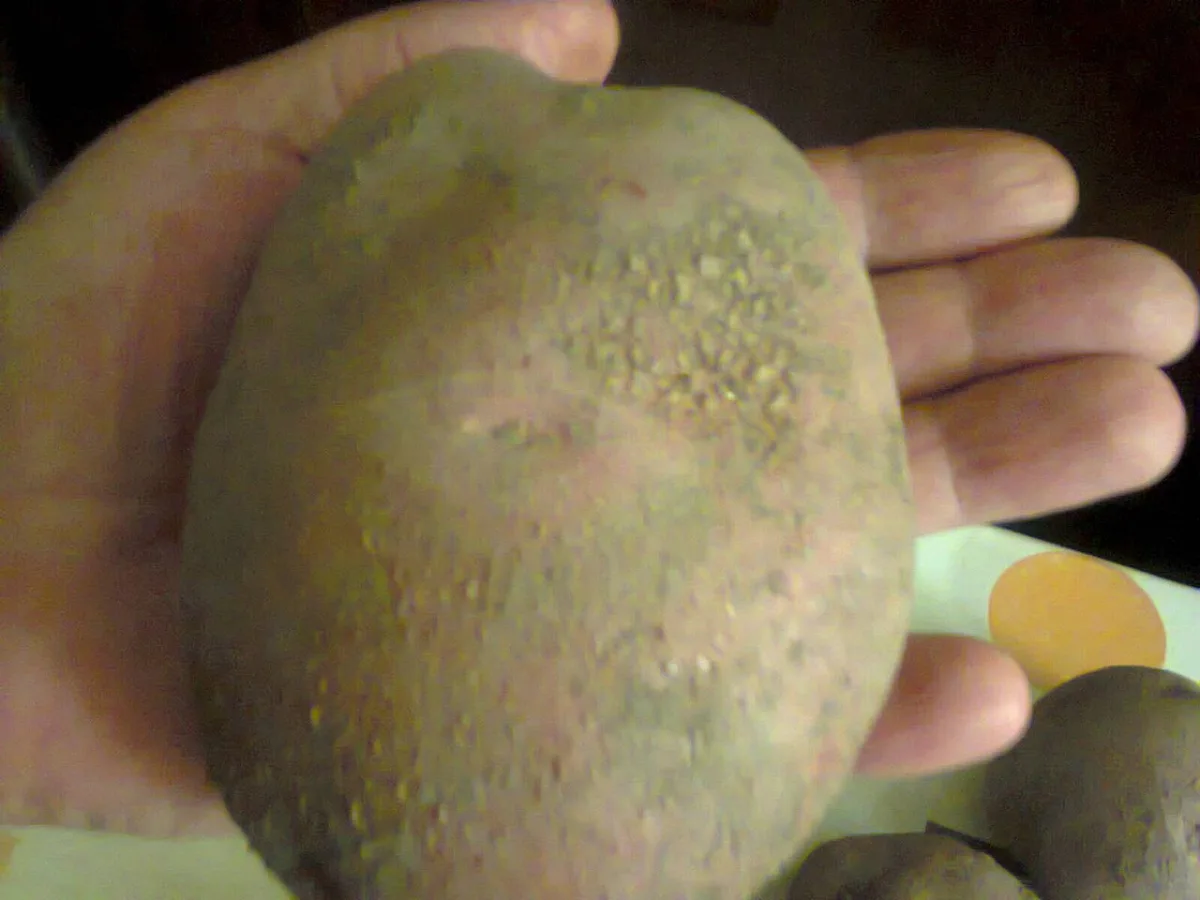
Starch content of tubers is the main indicator of quality and economic value of potatoes. Starch is synthesized from carbohydrates, which move from leaves through the phloem and are deposited in the cells of the storage parenchyma. Most starch grains are concentrated in the cambial layer and the outer part of the core, while the fewest are found in the inner layers. Due to a poorly developed root system, potatoes are very sensitive to nutrient levels; therefore, fertilizer directly determines the quality of the future harvest.
- Starch content in raw tubers — 12–20 %
- Amylose share in total starch volume — 20–25 %
- Decrease in starch content from potassium chloride — 0,3–0,6 %
The influence of macroelements on starch accumulation
Nitrogen has the strongest effect on potato growth, but requires precise dosage. With its deficiency, the haulm develops poorly, leaf area decreases, and they die off prematurely, which stops the influx of carbohydrates into the tubers. Nitrogen application at optimal rates stimulates bush growth and increases starch content. However, an excess of this element produces the opposite result.
Overdosing nitrogen prolongs the growing season and delays potato maturation. Excessive nitrogen forces the plant to spend carbohydrates on binding ammonia and synthesizing proteins instead of accumulating starch, which sharply reduces the quality of the tubers.
Phosphate fertilizers actively stimulate the biosynthesis of carbohydrates in potato tissues. If there is a lack of mobile phosphorus in the soil, phosphate top dressing consistently increases yield and the percentage of starch in tubers. Potash fertilizers, however, act differently depending on the form of the active ingredient. Chlorine-containing potassium salts usually reduce starch content, as chlorine delays potato maturation and causes excessive hydration of tuber tissues.
| Fertilizer type | Effect on starch content |
| Potassium chloride (compared to potassium sulfate) | Decrease by 0,3–0,6 % |
On well-cultivated soils with moderate doses, potassium sulfate and potassium chloride have the same effect on starch content. Potassium chloride will only be beneficial during an acute potassium deficiency in the soil, whereas with excessive application, it will inevitably reduce the quality of the tubers.
Read next
Agrochemistry For students
The role and physicochemical properties of starch as a reserve polysaccharide in plants
Storage and processing For students
Botanical characteristics and chemical composition of potato tubers
Agrochemistry For students