
Physicochemical properties and classification of polysaccharides in agricultural chemistry
3 min read
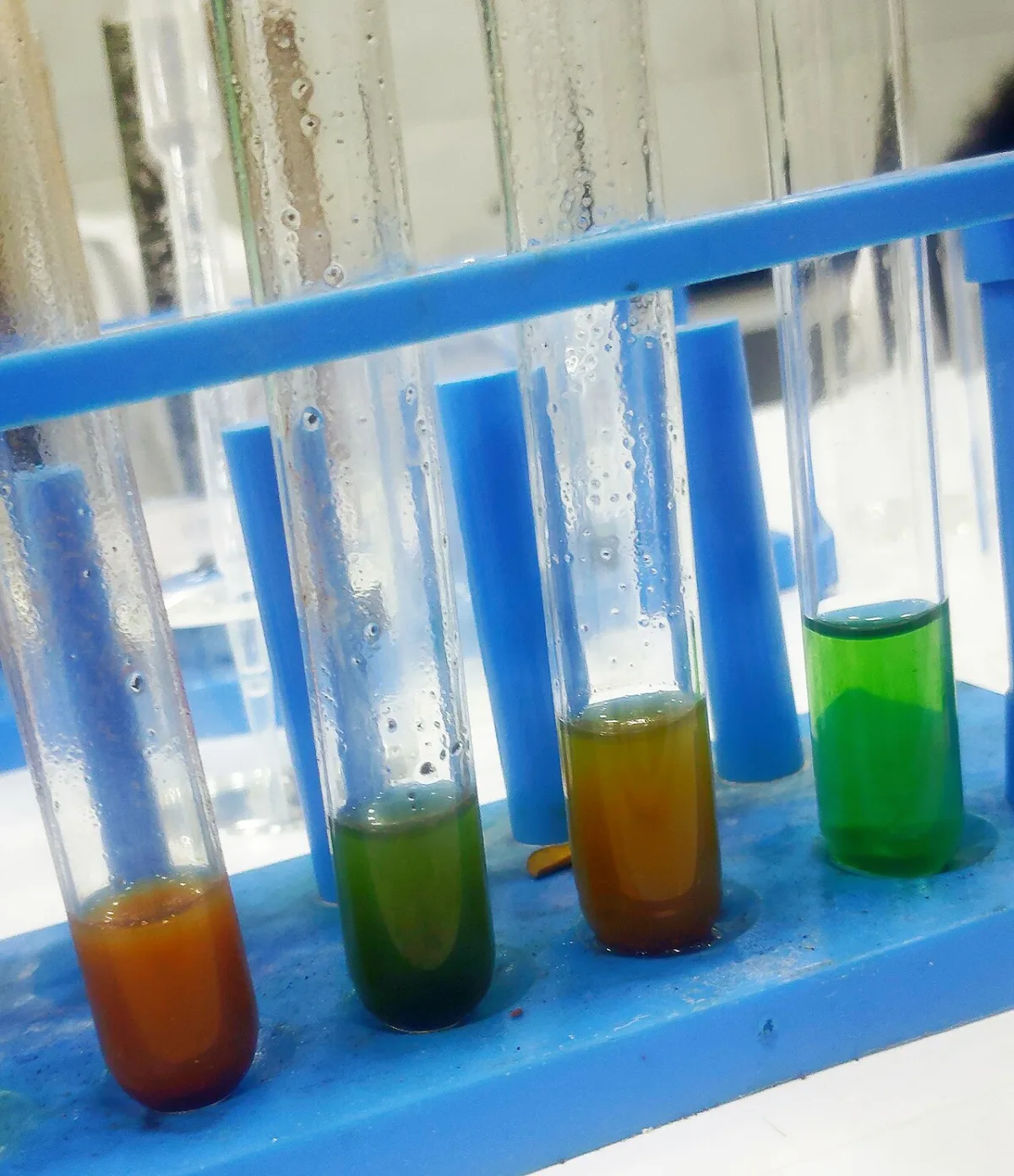
Polysaccharides form the basis of the dry biomass of plants and actively influence the properties of soil. For an agronomist, these high-molecular carbohydrates are important as building material of cell walls, a reserve source of energy for crops, and nutrition for soil microflora. Unlike simple sugars, they have no sweet taste, possess an amorphous structure, and either do not dissolve in water or form viscous colloidal solutions.
- Chain length — more than 10 monosaccharides
- Appearance — amorphous structure
- Taste — non-sweet
In soil and plant tissues, polysaccharides are constantly decomposing. This process is called hydrolysis and proceeds under the action of acids or specific enzymes. Decomposition occurs strictly in stages, gradually releasing simple sugars accessible for plant nutrition and microorganisms:
- Polysaccharide
- Oligosaccharide
- Monosaccharide
The process of hydrolysis of polysaccharides into simple monosaccharides is triggered only in the presence of specific enzymes or in an acidic environment.
In terms of their function in a plant, polysaccharides are divided into two main groups. The first perform a structural function, strengthening tissues and creating a cell framework (the main representative is cellulose). The second serve as reserve biopolymers (starch, glycogen), which act as energy depots and are easily converted back into monosaccharides for metabolism.
According to their chemical structure, polysaccharides are divided into homopolysaccharides and heteropolysaccharides. Homopolysaccharides contain only one type of monosaccharide: for example, D-glucan consists of glucose and L-arabinose residues, and D-galactans consist of L-arabinose and D-galactose residues. Heteropolysaccharides consist of various monomeric units. Polysaccharide chains can be linear or branched, and by the source of isolation, they are divided into phytoglycans (plant), zooglycans (animal), and microbial polysaccharides.
There is no general nomenclature for these substances. Usually, the name of the monosaccharide is taken as a base and the ending "-ose" is changed to "-an" (glucose — glucan). Polymers of uronic acids are called polyuronides, and carbohydrates accompanying cellulose are called hemicelluloses. For many substances, historical names are preserved: starch, glycogen, heparin, chondroitin.
Four levels of spatial structure of polysaccharides
Physical properties of polysaccharides directly depend on the spatial structure of their molecules. These features determine the strength of plant tissues, the ability to retain water, and the viscosity of solutions. In total, biochemists distinguish four levels of organization — from simple chemical bonds to complex crystalline grains.
The primary structure is formed during the polycondensation of monosaccharides into chains. Linear chains are characteristic of strong structural polymers like cellulose, and branched ones — for pectin, hemicelluloses, and storage amylopectin. An intermediate product of amylopectin synthesis is amylose with a linear molecule. Unlike proteins, polysaccharide chains are built from repeating units and can branch.
The secondary structure determines the shape of the polymer chain in space. It can be linear, resembling protein β-sheets in cellulose, or coil into helices. Various types of helical organization and their parameters are presented in the table.
| Helix shape | Number of monosaccharide residues per turn | Typical representatives |
|---|---|---|
| Left single helix | 6 | Amylose |
| Left double helix | 3 | Agarose |
| Left double helix | 6 | Amylose, linear sections of amylopectin |
| Right triple helix | 6 | Xylan |
The tertiary structure determines the mechanical properties of polysaccharides and their behavior in water. Cellulose forms rigid fibers from coiled double-strand ribbons, and xylan — flexible fibers from triple helices. Amylopectin, glycogen, and dextrans coil into compact, complexly branched globules consisting of amylose helices and branched chains. Hemicelluloses and protopectins have a loose, disordered structure.
Soluble pectins, agar-agars, algin, and gums form spatially cross-linked loose structures that effectively bind water. Hyaluronic acid possesses a spatially disordered, mobile structure. The bonds in it are weak, easily broken, and restored, which creates a gel-like environment.
The quaternary structure represents supramolecular complexes. This includes highly ordered crystalline regions in strong cellulose fibers. This level also forms starch grains, consisting of amylopectin globules and amylose helices.
The density of tertiary and quaternary structures directly affects the rate of mineralization of organic matter in the soil: loose pectins are decomposed by microflora quickly, while rigid crystalline cellulose fibers require prolonged exposure to enzymes.
Read next
Agrochemistry For students
The influence of the mineral nutrition system on carbohydrate accumulation in crops
Agrochemistry For students
Classification and chemical structure of oligosaccharides in plant organisms
Agrochemistry For students