
Geography of the origin of vegetable crops and their biological characteristics
5 min read
Geographic Centers of Origin and Their Significance for Plant Breeding
The genetic characteristics and environmental requirements of vegetable crops were established during their evolution. Knowing the geographic origin of plants helps agronomists understand their natural needs for heat, humidity, and light in field or greenhouse conditions. This data allows for more precise cultivation techniques and predictions regarding how crops respond to climate change.
Studies on the centers of origin of cultivated plants distinguish between primary and secondary centers of formation. Primary centers are historical regions where wild ancestors were first domesticated or where endemic forms are still found. Secondary centers are zones of maximum distribution where new, previously non-existent plant forms emerged through cultivation. Precise identification of these geographic points gives breeders access to valuable donors of economically useful traits. Based on these patterns, the global assortment of vegetable crops is distributed across major geographic centers of origin.
The geographic centers of origin for crops also harbor the greatest diversity of their pests and diseases. The parallel evolution of plants and parasites leads to the natural selection of immune forms, which serve as key material for breeding for resistance.
- South Asian Tropical Center:
- Indian center — small-fruited black-spined cucumber, eggplant, Indian lettuce, calabash (bottle gourd), loofah;
- Indochinese center (Indochina and tropical South China) — large-fruited cucumber.
- East Asian Center (subtropics of Central and East China, Taiwan, Korea, Japan): napa and Chinese cabbage, types of oriental radish, Welsh onion, fragrant onion. In this region, leafy mustard, turnip, early-ripening small-fruited cucumber, and cucumber melon have secondary centers of origin.
- Southwest Asian Center:
- Central Asian center (Afghanistan, Pakistan, Uzbekistan, Tajikistan) — bulb onion, garlic, spinach, radish, yellow-fleshed and white-fleshed carrot, Pskem onion, Vavilov onion, turnip, pea, as well as a secondary center of origin for melon;
- West Asian center (Transcaucasia, Turkey, Iran, Iraq, Syria, mountainous part of Turkmenistan) — melon, Anatolian cucumber, anthocyanin-pigmented carrot, parsley, leek, lettuce, pea, broad bean, rhubarb. Secondary centers are noted here for garden cress, beet, and bulb onion.
- Mediterranean Center (Mediterranean coast in Europe and Africa): beet, most cabbage species, orange carrot, parsley, turnip, European rutabaga, asparagus, celery, parsnip, dill, lettuce, sorrel, rhubarb, chicory, artichoke, hyssop, mint, thyme, scorzonera. This region became a secondary center of origin for garlic and large-bulbed, short-day forms of bulb onion.
- Abyssinian Center (Ethiopia): shallot, okra, Abyssinian mustard. Watermelon and West Indian gherkin also originate from surrounding territories.
- Central American Center: nutmeg and pepo squash, maize, bean (lima, common, runner), pepper, fig-leaf gourd, chayote, sweet potato, physalis, currant tomato.
- Andean Center:
- Andean center (Peru, Ecuador, Bolivia) — tomato, giant pumpkin, as well as a secondary center for bean;
- Chiloé center (Southern Chile, Chiloé Island) — potato.
Botanical Classification and Diversity of Vegetable Crops
The vast variety of edible vegetable plants requires clear systematization. This is necessary not only for studying biological differences between groups but also for the competent organization of commercial vegetable production in practice. The international botanical classification divides these crops into families and classes depending on their structure and developmental characteristics. In domestic commercial vegetable production, crops belonging to the following families are cultivated:
- Global potential of vegetable crops — 1200 species
- Cultivated in Russia — about 70 species
- Assortment in the Southern Federal District — 30-35 species
| Plant group by seed structure | Number of families | Number of species |
|---|---|---|
| Dicotyledons | 59 | 870 |
| Monocotyledons | 19 | 330 |
| Total in global gene pool | 78 | 1200 |
- Brassicaceae: all cabbage species, radish, daikon, turnip, rutabaga, garden cress, leaf mustard, sea kale, crambe.
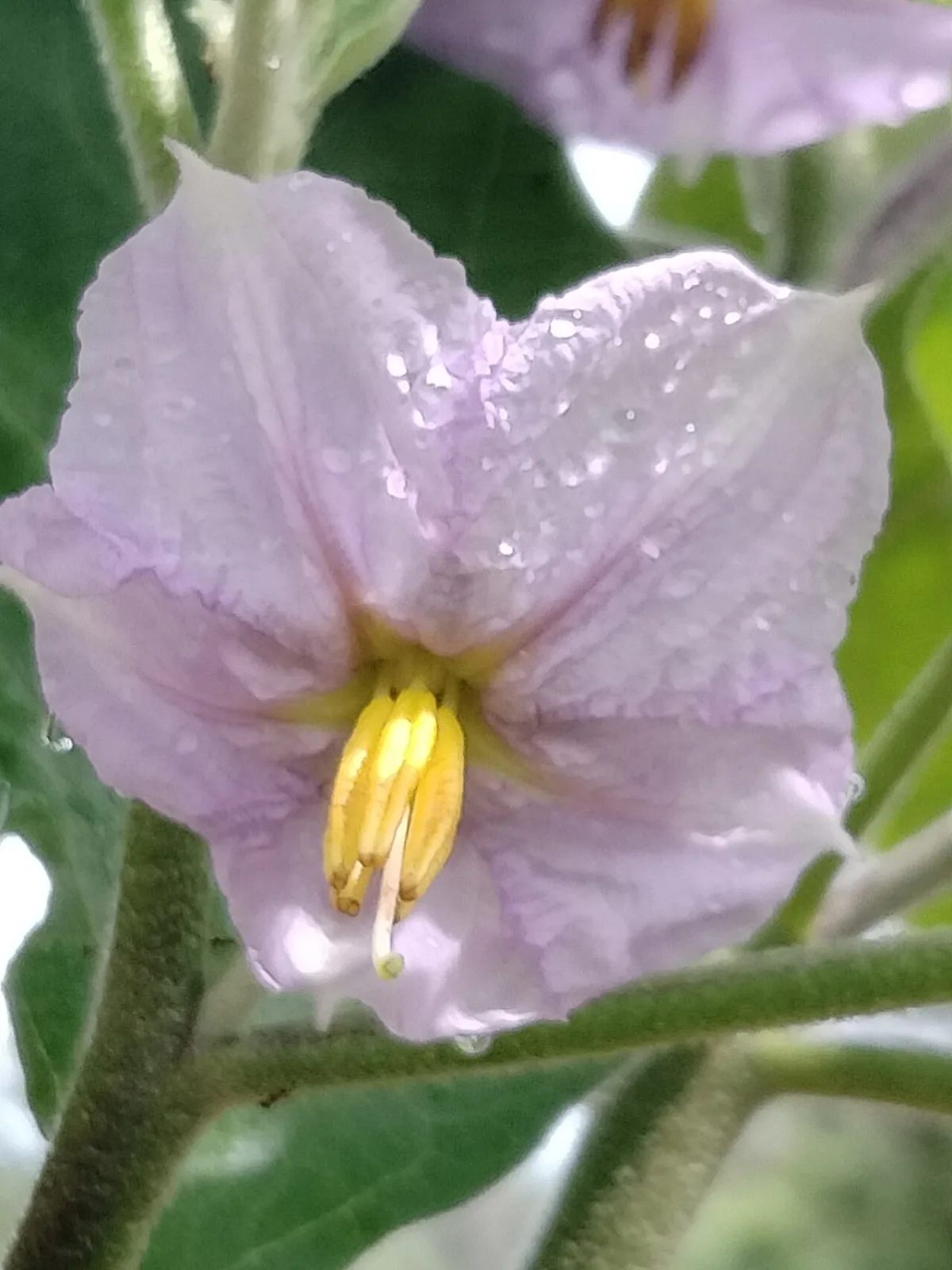
- Solanaceae: tomato, pepper, eggplant, potato, physalis.
- Apiaceae: celery, carrot, parsley, parsnip, dill, fennel, lovage.
- Asteraceae: lettuce, chicory (endive, escarole, witloof), tarragon, artichoke, Jerusalem artichoke, scorzonera, salsify, cardoon.
- Amaranthaceae: garden orache, table beet, spinach, Swiss chard.
- Fabaceae: vegetable broad bean, vegetable pea, vegetable bean.
- Polygonaceae: sorrel, rhubarb.
- Boraginaceae: borage.
- Convolvulaceae: sweet potato.
- Cucurbitaceae: cucumber, melon, watermelon, pumpkin, summer squash (zucchini), pattypan squash, chayote.
- Lamiaceae: marjoram, hyssop, basil, mint, savory, thyme, lemon balm, oregano, dragonhead.
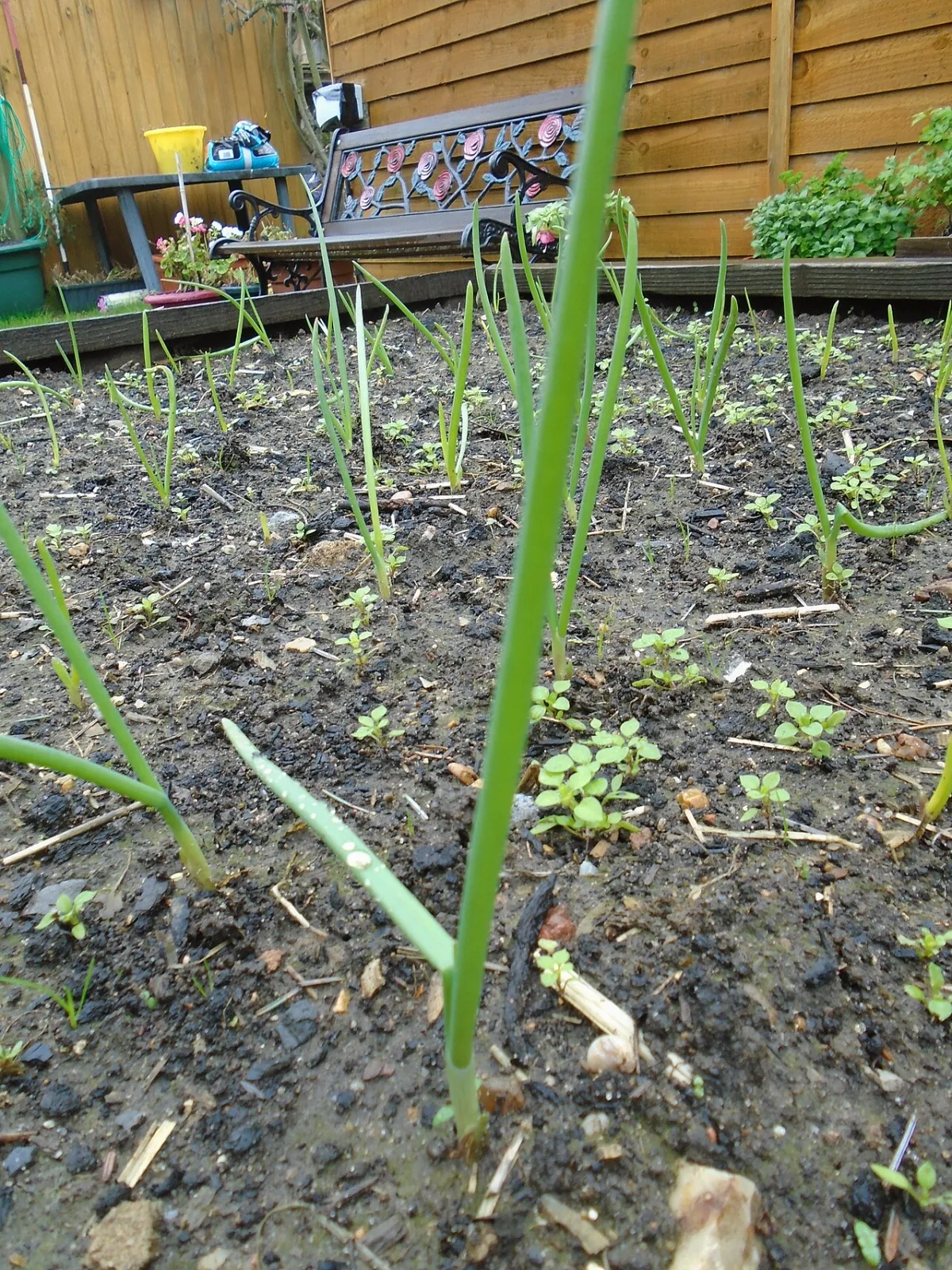
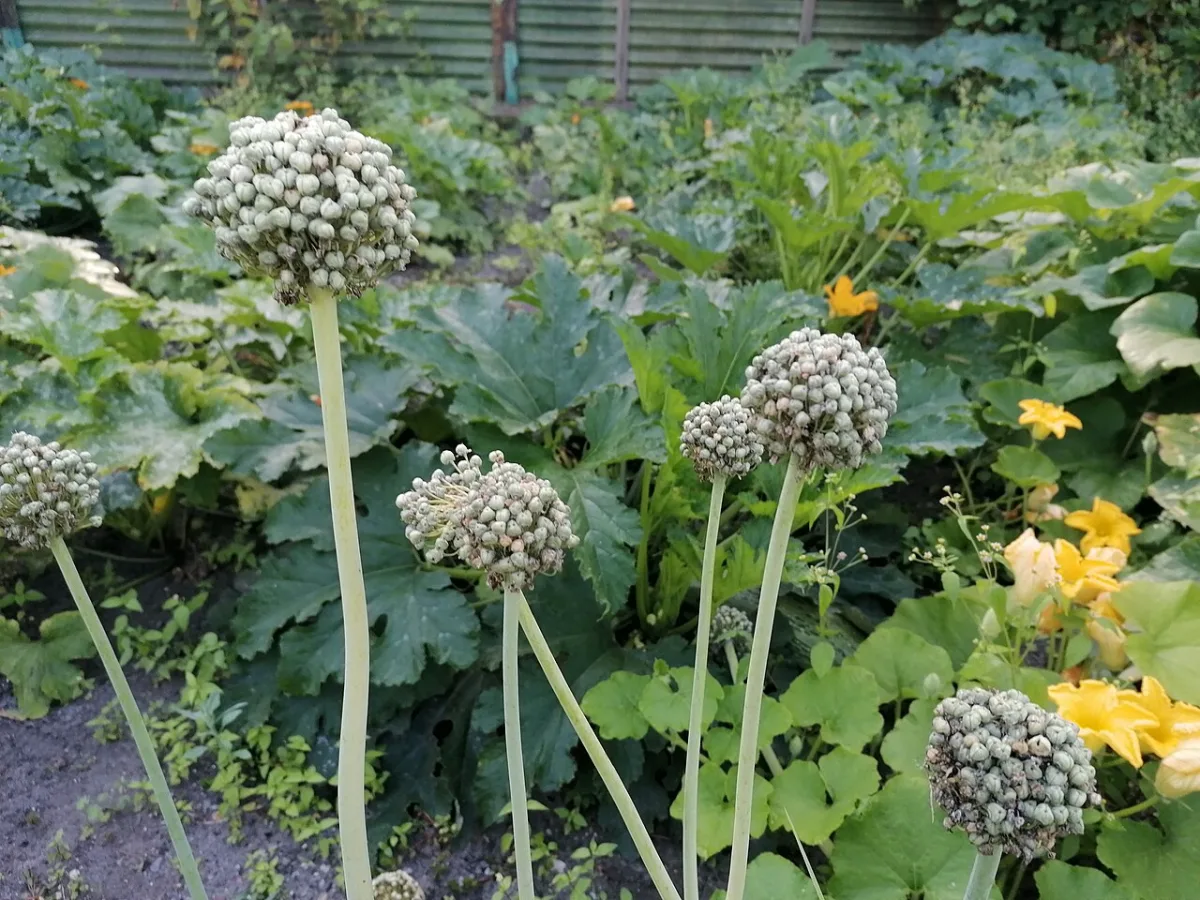
- Amaryllidaceae: garlic, all onion species.
- Asparagaceae: asparagus.
- Poaceae: sweet corn.
Botanical classification is important for taxonomy, but it is of little help when planning daily field operations. To effectively structure crop rotation, select machinery, and configure storage regimes, agronomists use economic groupings. Crops are divided according to the parts used for food or their commercial significance — for instance, for large-scale commodity production or the local market.
Economic classification by product organs
The system that groups crops by the type of their product organs has proven most applicable in practice. This approach allows for grouping plants with similar biological features, requirements for growing conditions, and agrotechnical elements. This classification has been actively used in technical guidelines for the last 30 years.
The similarity of commodity organs directly determines the technology of harvesting and post-harvest processing. Crops of the same group often require identical equipment for preparation for sale and similar conditions during storage.
- Cole crops — white cabbage, Savoy cabbage, Brussels sprouts, kohlrabi, kale, Chinese cabbage, cauliflower, broccoli.
- Root crops — carrot, parsley, celery, parsnip, radish, radish, turnip, rutabaga, beet, scorzonera, salsify, witloof chicory.
- Tuber crops — potato, sweet potato, Jerusalem artichoke, Chinese artichoke.
- Bulbous plants — garlic, bulb onion, shallot, leek.
- Fruit-bearing vegetables — tomato, pepper, eggplant, physalis, cucumber, watermelon, melon, pumpkin, zucchini, pattypan squash, chayote, broad bean, pea, bean, cowpea, okra, corn.
- Leafy (green) vegetables — annuals (lettuce, spinach, dill, basil, coriander) and biennials grown as annual crops (leaf parsley, leaf and stalk celery, endive and escarole chicory).
- Perennial vegetable crops — sorrel, rhubarb, asparagus, horseradish, seakale, spice crops, species of perennial onion (chives, Egyptian onion, broad-leaf garlic, fragrant onion, Welsh onion).
- Mushrooms — button mushroom, oyster mushroom, wine cap.
In addition to dividing by commodity organs, it is important to consider the plant's response to external environmental factors in field practice. Growing systems also rely on classifications based on the crop's requirements for heat, light, moisture, and nutrients. These ecological groups will be discussed in detail in the following sections.
Read next
Vegetable growing For students
Characteristics of sowing and cultivar qualities of vegetable crop seed
Agrochemistry For students
Optimizing mineral nutrition of vegetable crops and potatoes
Vegetable growing For students