Concept · 33 articles

Temperature regime

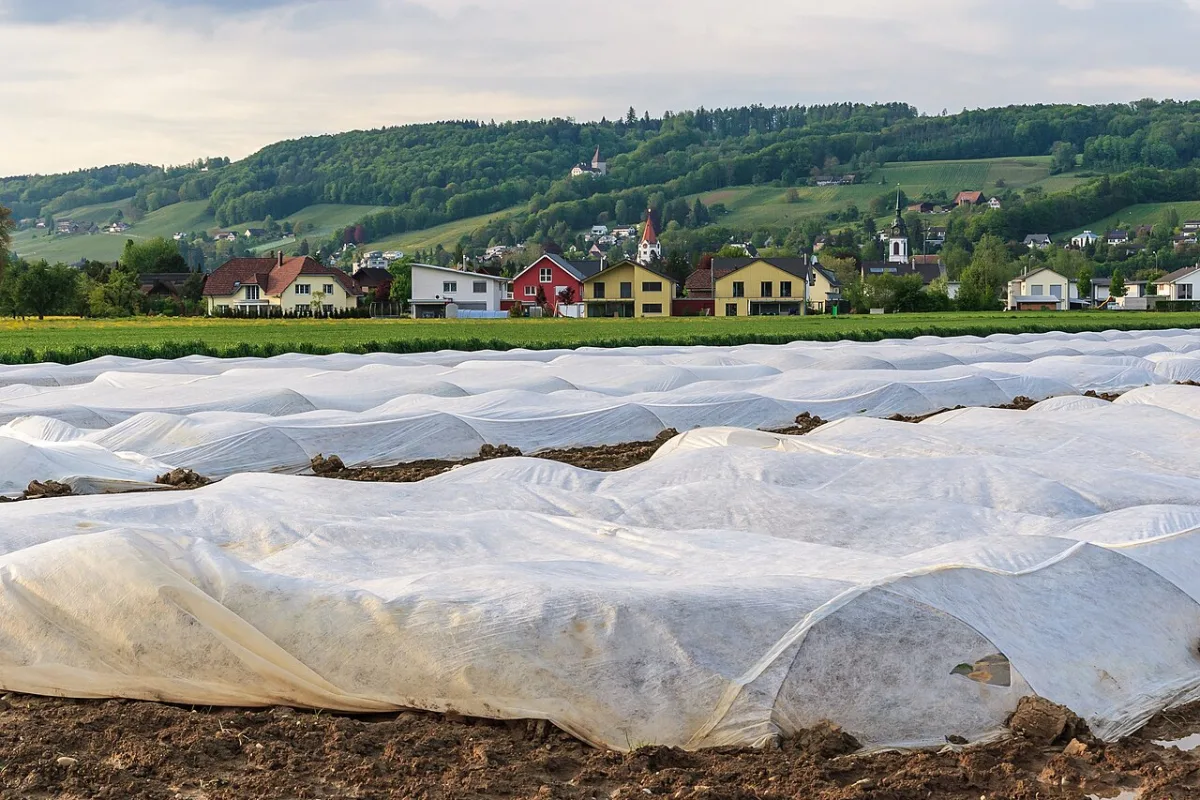
The temperature regime is a determining factor for plant productivity and their metabolic rate. For an agronomist and a home gardener, heat control is a basic tool for managing crop development, on which not only the survival of transplants depends, but also the quality of the future harvest. Disrupting optimal thermal conditions inevitably leads to a decrease in plant immunity, slowed growth, and a loss of economic efficiency in agricultural production.

This collection brings together materials dedicated to managing the microclimate in protected soil and the biological characteristics of various crops. The articles present classifications of vegetable and ornamental flowering plants based on their heat requirements, as well as recommendations for organizing efficient heating systems in greenhouses. You will find expert guides on growing tomatoes, cucumbers, and cabbage that take into account temperature requirements during the stages of seedling formation and the growing season. Special attention is paid to technologies that allow for the regulation of environmental conditions to increase yield in professional and amateur plant cultivation.

Greenhouses and covers For agronomists

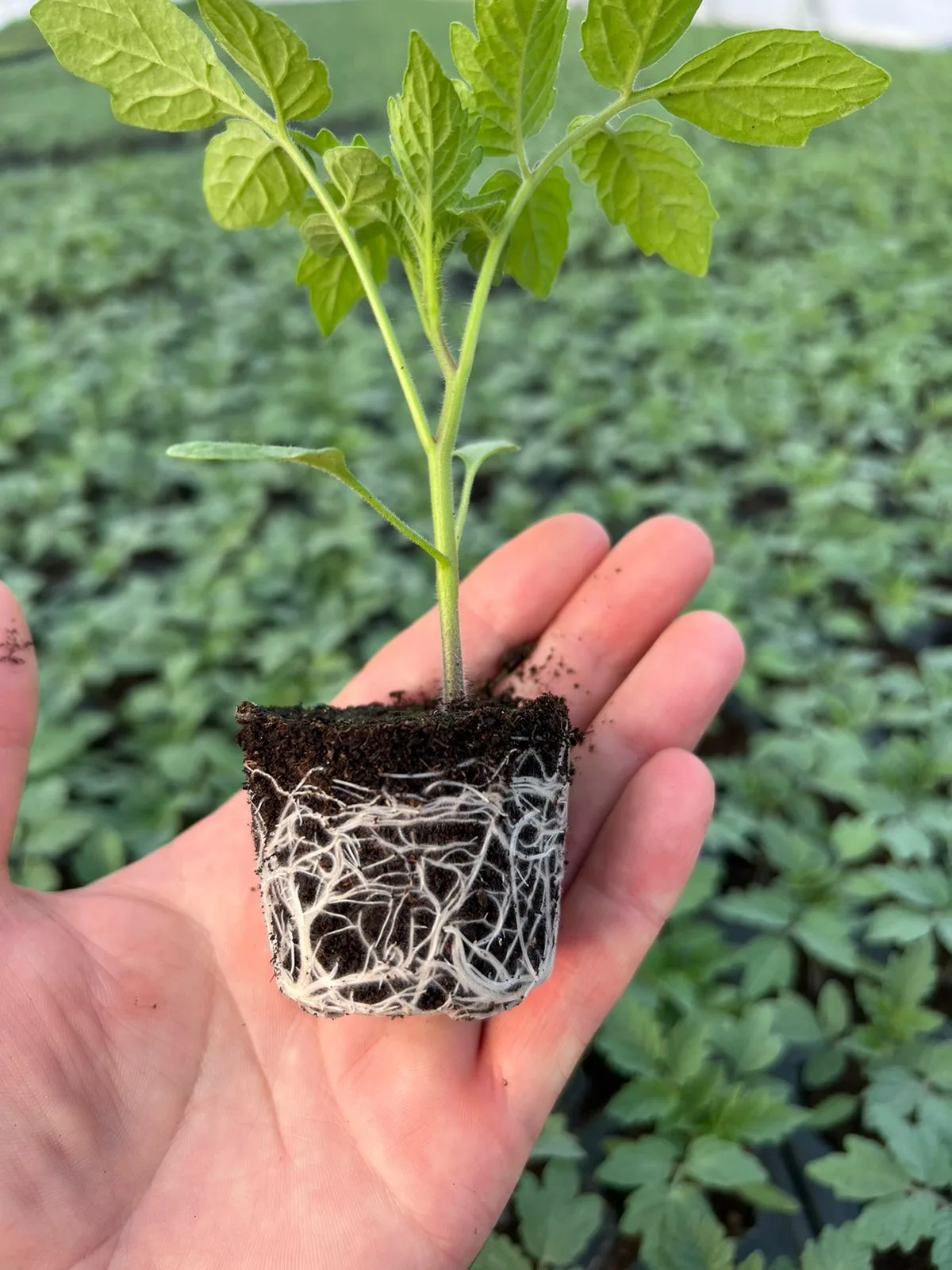
Technology for growing tomato transplants and the fluid sowing method

The article presents development standards for high-quality tomato transplants without picking and a step-by-step instruction on applying the energy-saving fluid sowing method in greenhouses. You will learn how to prepare soil, fertilizer, and seed to reduce the time to emergence

Greenhouses and covers For gardeners

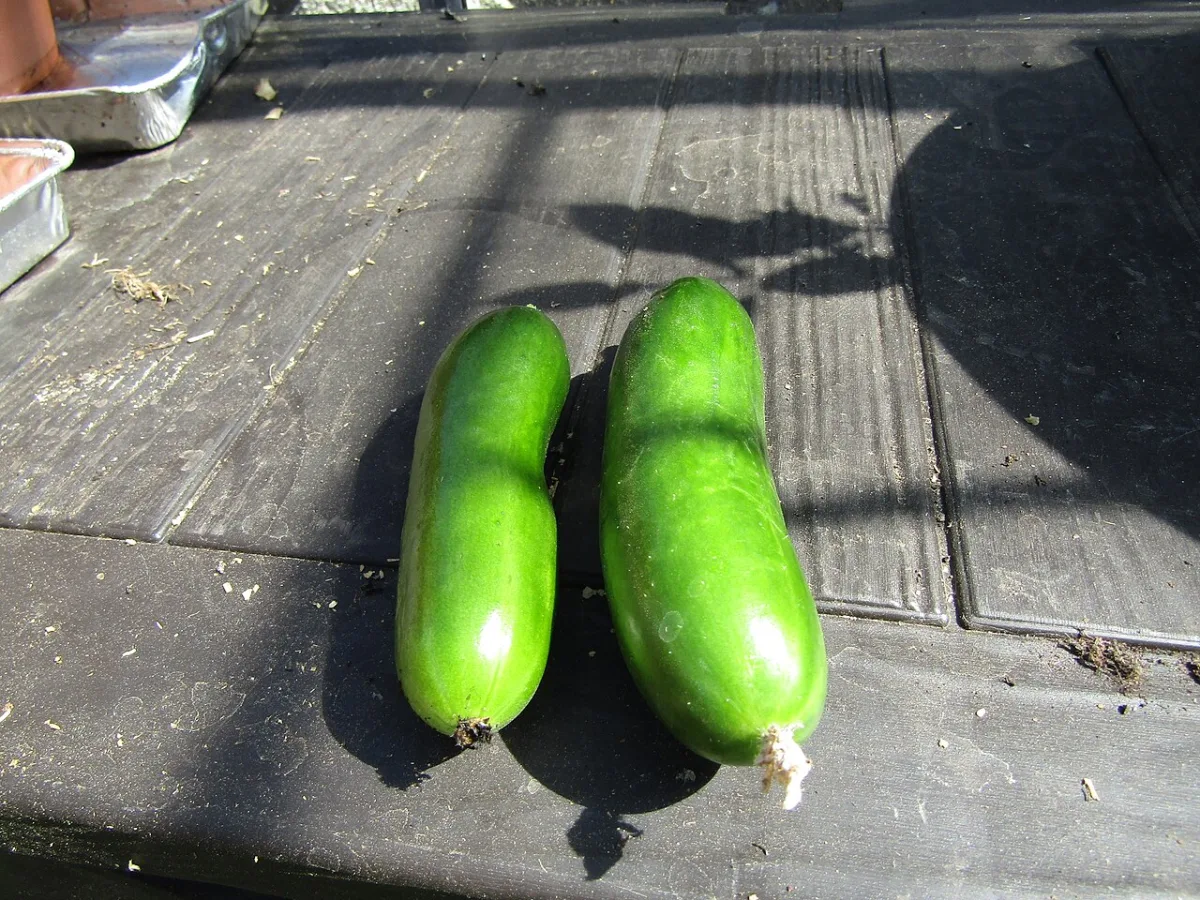
Technologies for growing cucumbers via transplants and direct sowing

The choice between the transplant method and direct sowing in a greenhouse determines the growth rate of cucumbers. The article examines methods for minimizing root system stress during transplanting and the rules for preparing warm beds for seed

Plant protection For agronomists

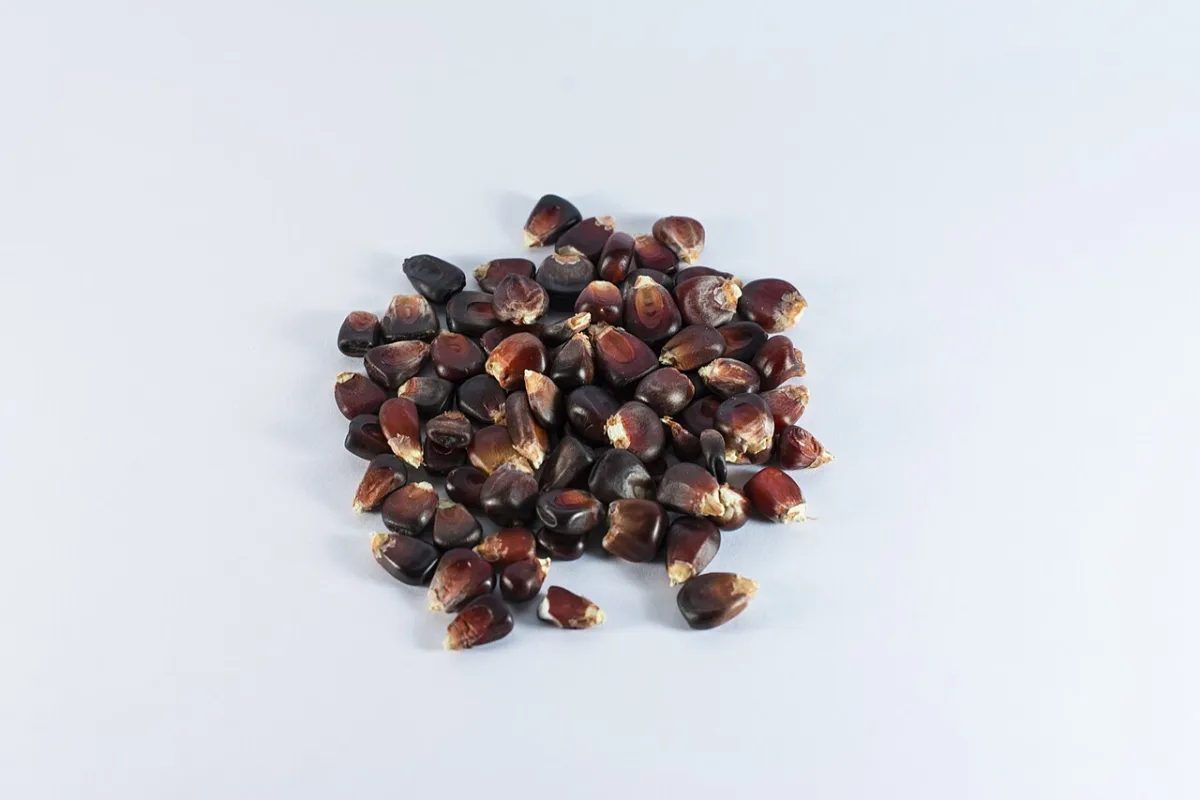
Harmfulness and distribution patterns of the European corn borer in Belarus

The article analyzes the phytosanitary situation in maize crops in Belarus and the degree of plant damage by the European corn borer. The authors examine the factors contributing to the increased harmfulness of the phytophage and its impact on the quality and quantity of the harvest.