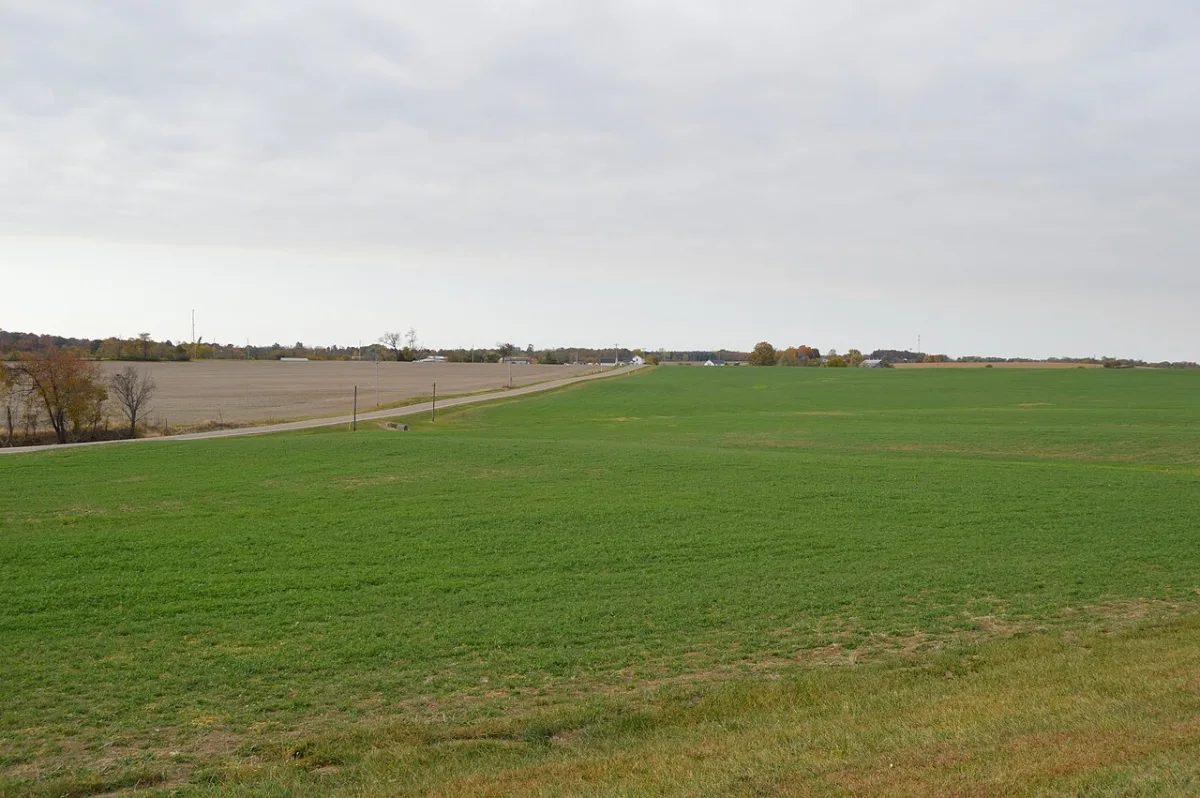
Pre-sowing tillage is a fundamental stage of the agrotechnical cycle, the quality of which directly determines the uniformity of emergence and the future productivity of crops. A properly prepared field allows for the efficient conservation of stored soil moisture and the creation of an optimal seedbed structure, which is a critical condition for a successful plant start. Attention to detail at this stage eliminates additional risks during sowing and lays the foundation for high-quality root system development.
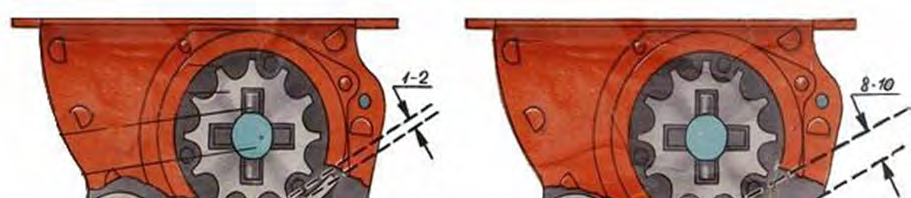
This selection contains materials that help take a comprehensive approach to the start of fieldwork. Readers will find expert recommendations here on choosing tillage technologies that minimize moisture losses. In addition, we have focused on technical equipment: the articles describe in detail the procedure for setting up the SZ-3.6 seeder to achieve sowing precision. Furthermore, information is presented on optimizing the nutrition system for vegetable crops and potatoes, which will allow agronomists and gardeners to find a balance between high yield and the preservation of product quality when planning the sowing campaign.