Animal · 33 articles

Meat breed

Meat poultry farming is a high-tech industry aimed at ensuring the stable production of dietary products. For agronomists and farm owners, understanding the biological patterns of growth, conformation characteristics, and breeding methods is a key factor in economic efficiency. A professional approach to managing herd productivity, based on scientifically grounded feeding standards and modern management technologies, allows for minimizing losses and improving meat quality indicators.

This collection combines materials covering the full production cycle: from breeding work and the formation of parent flocks to the specifics of fattening and deep processing of raw materials. The articles present a detailed overview of meat breeds of chickens, ducks, geese, turkeys, and pigeons, as well as reference data on the amino acid composition of diets. Readers will find practical recommendations on evaluating the physical build of individuals, selecting management systems for breeding poultry, and methods for improving productive lines. The information will be useful both when planning work at industrial complexes and when implementing programs for selection and gene pool conservation.

Poultry For agronomists

Productivity factors and egg-laying performance indicators of poultry

The article examines key factors affecting the egg-laying performance of poultry, including the impact of molting and the biological cycle. It also presents methods for calculating productivity intensity and species-specific standards for chickens, ducks, turkeys, and geese

Poultry For agronomists

Technologies and selection methods in modern meat poultry farming

Modern meat poultry farming is based on the comprehensive implementation of scientific and technical achievements, specialized rearing of young birds, and intensive selection methods. The article examines key factors for increasing productivity, including line crossing and the optimization of housing systems

Poultry For agronomists

Evolution of feeding standards for poultry in industrial poultry farming

The article describes the historical development path of feeding standards for poultry: from the first experimental methods to the transition to modern standards of intensive industrial poultry farming. You will learn how approaches to calculating nutrients changed depending on the productivity and housing conditions of the flock

Poultry For agronomists

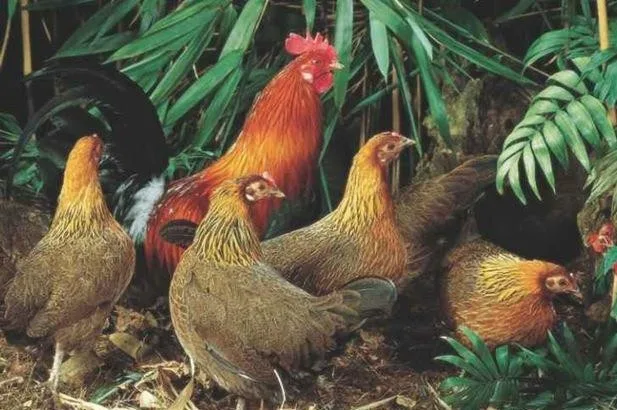
Poultry breeds and the history of chicken domestication

The article examines the biological characteristics of poultry breeds and the role of artificial selection. It also describes the history of chicken domestication and scientific data on their origin from wild red junglefowl ancestors

Poultry For agronomists

Nutrient content in feed for poultry

The article provides a detailed table of the nutritional value of the main types of feed used in poultry farming. The data include indicators of metabolizable energy, crude protein, fat, fiber, as well as the content of calcium, phosphorus, and sodium per 100 grams of product