
Seed characteristics and distribution range of bladder campion
1 min read
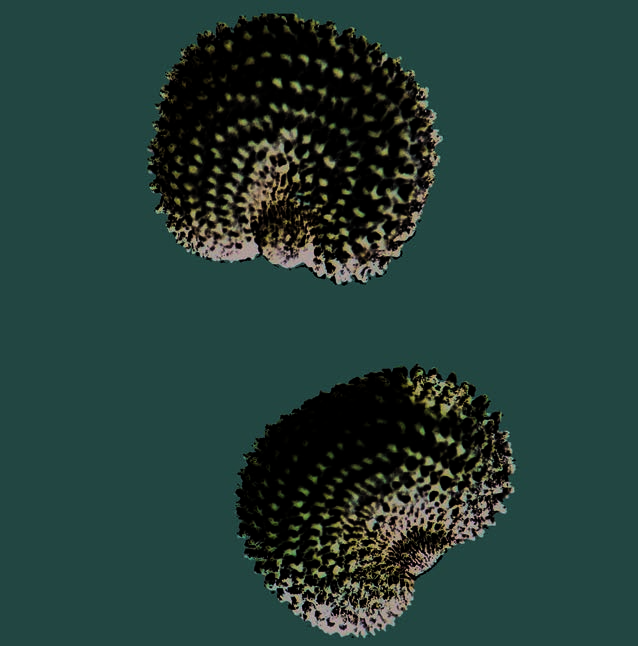
Bladder campion (Caryophyllaceae family) is one of the most common weeds infesting crop products. In the field, it actively competes with crops in winter and spring sowings, and also infests clover and alfalfa plantings. This weed is also frequently found in meadows and along roadsides, from where the seed is easily carried to arable land.
Bladder campion has poisonous properties. The presence of vegetative mass or seeds of this weed in hay, haylage, and grain forage reduces the nutritional value of feed and poses a danger to livestock animals.
Morphological features and seed identification
The weed fruit is an ovoid capsule. The seeds developing within are kidney-oval in shape, laterally compressed towards the seed hilum. The seed hilum appears as a large wart surrounded by a double ridge. The back of the seed is flat and broad, sometimes slightly concave.
The entire surface of the seed is matte or slightly glossy. It is covered with small warts arranged in six or seven rows parallel to the outer edge. The color of the seeds in a sample can indicate their ripeness: mature ones are ash-gray or dark-gray, while immature ones have a dark-red hue.
- Seed length — 1,251,5 mm
- Seed width — 11,25 mm
- Seed thickness — 0,75 mm
This weed infests crops over vast territories. Its control is a priority for agronomists in many climatic zones. Its active distribution geography includes the following regions:
- European part (everywhere)
- Caucasus
- Siberia
- Far East
- Central Asia
Read next
Seeds and varieties For agronomists
Morphological description and distribution of baby's breath seeds
Seeds and varieties For agronomists
Morphological features and characteristics of cowherb (Vaccaria hispanica) seeds
Seeds and varieties For agronomists