
Morphological characteristics of common cocklebur and features of crop infestation
1 min read
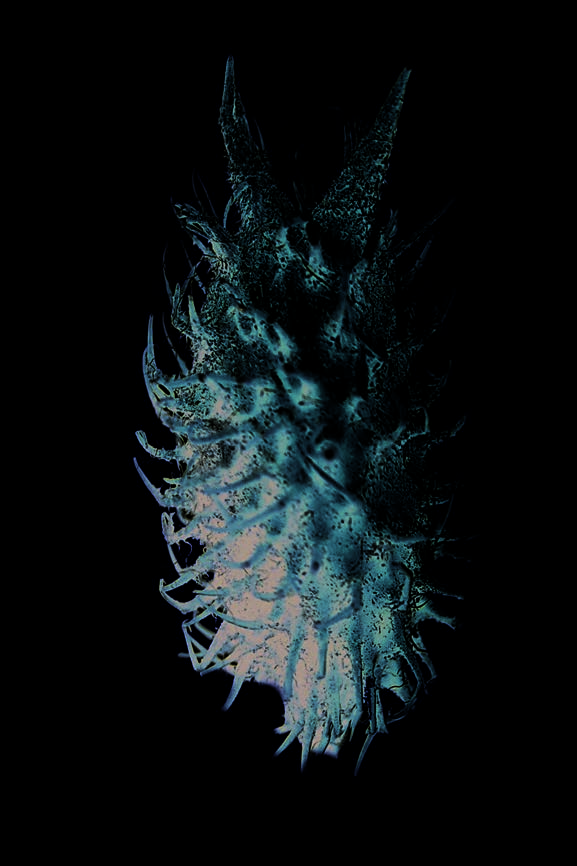
The inflorescences are ovoid, with hooked, spirally arranged spine appendages, oval, and usually contain two single-seeded fruits. The walls of the inflorescence are very strong. The apex ends in two strong, large, often unequal and slightly curved spines. The surface between the spines is covered with short thin hairs and is slightly longitudinally wrinkled, especially towards the base. The color is yellowish-brown or brownish-brown, with lighter tips of the spines. Length 10–15 mm, width and thickness 5–8 mm. Achenes are elongated-oval, flat. The pericarp is thin and membranous, easily deciduous. Length 5–10 mm, width 3–6 mm, thickness 2–3 mm. The seed material is contaminated only by the inflorescences. It infests vegetable gardens, fields, and crops of cotton, wheat, barley, alfalfa, and sesame. Distribution: European part (everywhere except northern regions), Crimea, Caucasus, Western and Eastern Siberia, Central Asia. The most frequently encountered weed in plant production.
Read next
Seeds and varieties For agronomists
Morphological characteristics and geographic distribution of redroot pigweed
Seeds and varieties For agronomists
Botanical characteristics of seeds and harmfulness of water pepper (Persicaria hydropiper)
Seeds and varieties For agronomists