
Morphological characteristics and quarantine status of pitted morning glory (Ipomoea lacunosa)
1 min read
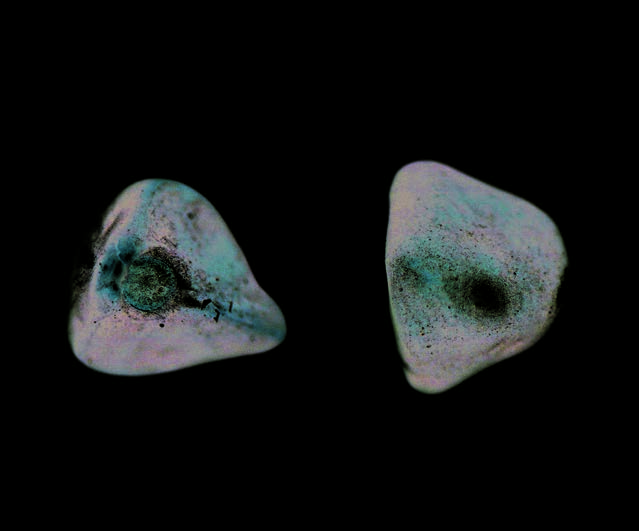
Ipomoea lacunosa is a dangerous weed that infests fields, orchards, kitchen gardens, wasteland, and uncultivated lands with disturbed phytocenosis. Currently, this species is absent from the territory of Russia; however, it is widespread in the USA and Latin American countries. Due to the high risk of introduction, the plant is officially included in the "List of pests, plant diseases, and weeds of quarantine significance for the Russian Federation."
The import of seed material from countries where the weed is distributed requires increased attention. If seeds with signs of Ipomoea lacunosa are detected, the consignment is subject to quarantine restrictions.
Morphological characteristics for weed identification
To prevent field infestation, it is necessary to strictly monitor the purity of the seed material. The fruit of the Ipomoea is an oblong capsule consisting of two chambers, which can be smooth or pubescent. Inside such a capsule, there are usually 4-6 seeds. They have a slightly triangular shape, brown or black color, and a slightly rough, shiny surface.
- Seed length — 5-6 mm
- Seed width — 5 mm
- Seeds per capsule — 4-6 pcs.
For accurate identification of the weed, carefully examine the edges of the seed. On the dorsal side, the edge is broad and sharply convex, while on the ventral side, two flat edges are slanted toward the margins from the central ridge. A distinctive feature is also the hilum — it is large, smooth, non-pubescent, and horseshoe-shaped.
Read next
Seeds and varieties For agronomists
Characteristics of Solanum elaeagnifolium seed and risks of its spread
Seeds and varieties For agronomists
The Carolina horsenettle is a dangerous quarantine weed and its characteristics
Seeds and varieties For agronomists