
Characteristics of Solanum elaeagnifolium seed and risks of its spread
1 min read
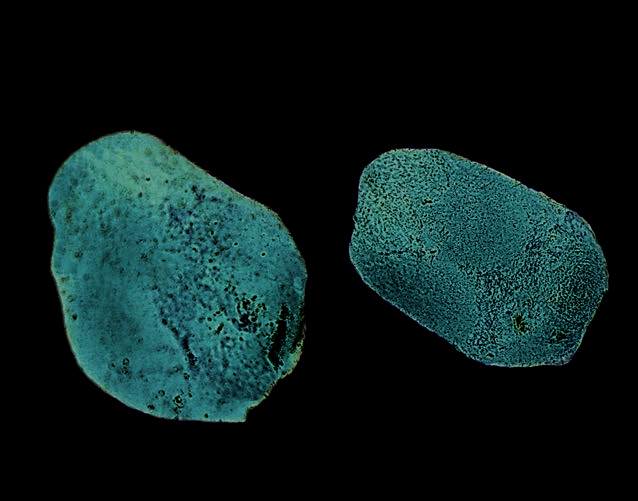
Silverleaf nightshade (family Solanaceae) poses a serious threat to agriculture, although it does not yet grow in Russia. This weed is capable of infesting any agricultural land, as well as uncultivated areas with disturbed phytocenosis. Once it enters a field, it quickly crowds out crop plants and significantly reduces yield.
The weed actively competes for resources and infests the sowings of the following crops:
- Wheat
- Corn
- Millet
- Sorghum
- Cotton
Silverleaf nightshade has poisonous properties. It is included in the "LIST OF PESTS, PLANT DISEASES AND WEEDS OF QUARANTINE SIGNIFICANCE FOR THE RUSSIAN FEDERATION".
Morphological characteristics of berries and seeds
To prevent the introduction of the weed, it is important to be able to identify its seeds in imported seed material. The weed produces round, fleshy berries that are yellow or orange in color. The seeds themselves are flat, round or obovate, with a characteristic light-colored oval seed hilum having a thick, smooth edge. The surface of the seeds is smooth as it is covered by a protective cuticle layer, and their color varies from light yellow to dark brown.
- Berry diameter — about 1 cm
- Seed length and width — 34 mm
- Seed thickness — about 0,5 mm
Currently, the weed is widespread in Latin America, the USA, and Canada, and has also been noted in Australia. There is a constant risk of seed introduction from these regions along with imported products. Agronomists at importing farms need to exercise particular vigilance when checking incoming grain shipments.
Read next
Seeds and varieties For agronomists
Botanical description and quarantine status of Solanum triflorum
Seeds and varieties For agronomists
Morphological features of the seeds and fruits of the buffalo bur (Solanum rostratum)
Seeds and varieties For agronomists