
Morphological characteristics and quarantine significance of Bidens pilosa
1 min read
Hairy beggarticks (Bidens pilosa) is a dangerous quarantine weed that infests crops of absolutely all agricultural plants. It also actively occupies any uncultivated land with a disturbed phytocenosis. This species is currently absent in the territory of Russia, but the risks of its introduction remain extremely high.
The weed is included in the "List of pests, plant diseases, and weeds of quarantine significance for the Russian Federation." Hairy beggarticks is recognized as a noxious weed in more than 40 countries around the world.
The wide geography of its distribution confirms the high harmfulness of this object:
- America;
- Africa;
- Asia;
- Australia;
- Europe (foci identified in Spain and Portugal).
Morphological features of achenes
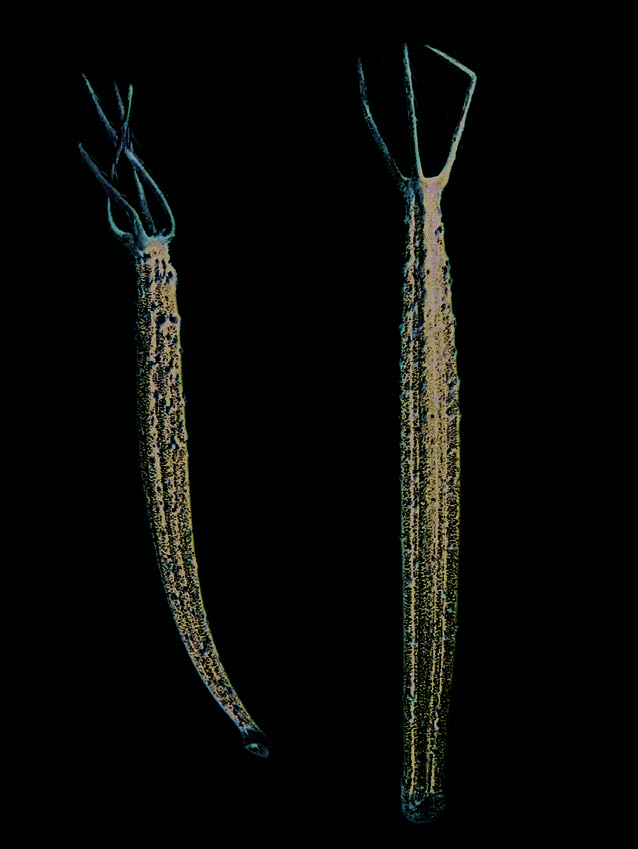
The pest's achenes are narrow, linear, with a characteristic pappus. Located on the straight apex are 2-6 prickly awn-like hairs, which are covered with downward-pointing tooth-like bristles. The surface of the fruit is longitudinally ribbed, rough, and covered with sparse warts with upward-pointing bristles. The obliquely truncate base of the achene is surrounded by a contrasting light-colored rim, and the rounded hilum is noticeably depressed. The color of the fruits is dark gray, almost black, lighter at the base and apex; the hairs and bristles are yellow, and the warts have a light brown hue.
| Parameter | Size |
|---|---|
| Achene length without pappus | about 11 mm |
| Width | 0.81 mm |
| Thickness | 0.5 mm |
Read next
Seeds and varieties For agronomists
Morphological features of the seeds and fruits of the buffalo bur (Solanum rostratum)
Seeds and varieties For agronomists
Botanical characteristics and morphological features of cornflower achenes
Seeds and varieties For agronomists